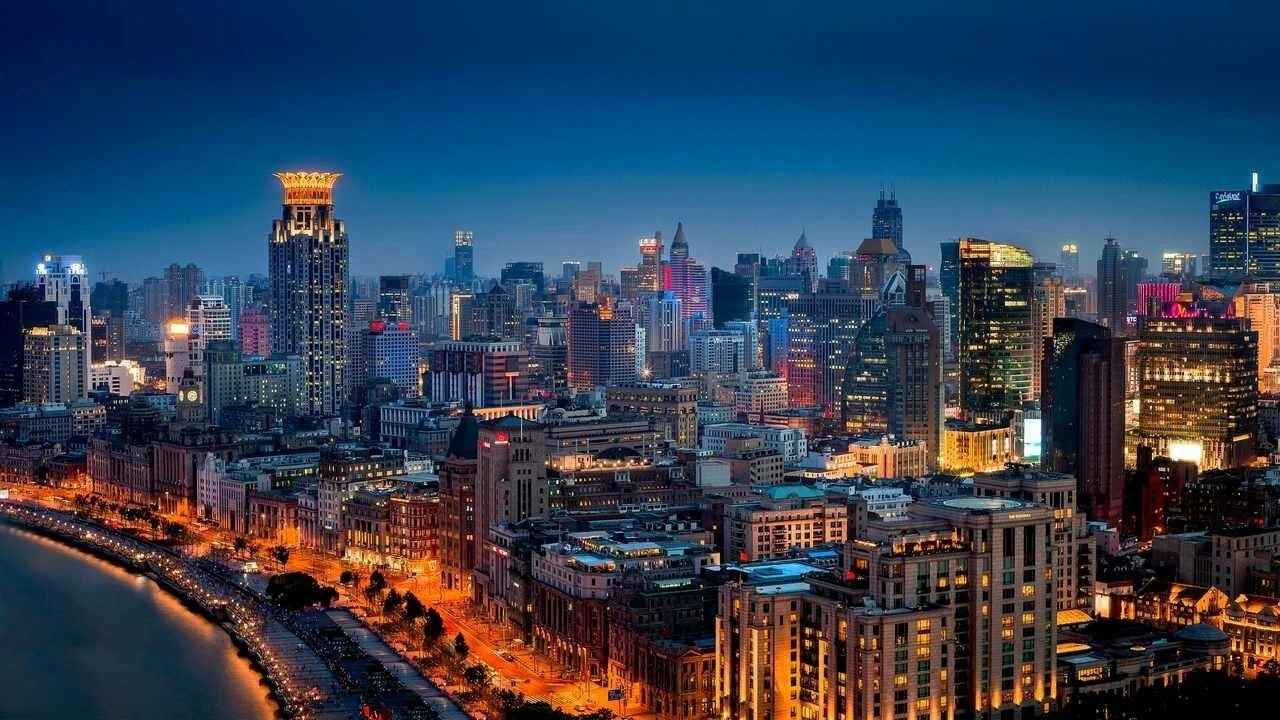
China is full of surprises—from a single time zone across a massive land to ancient inventions that shaped the world. From ancient secrets to modern marvels, from pandas and festivals to world-changing inventions, these 12 interesting facts about China will challenge what you thought you knew.
Think You Know China??
Stretching from the icy peaks of the Himalayas to the vast deserts of Xinjiang and the tropical beaches of Hainan, China’s geography is as diverse as it is breathtaking. Covering nearly 9.6 million square kilometers, it’s the world’s 4th largest country by area and is the second largest country in the world based on its population—yet most people only know fragments of its story.
Fast Facts About China
| Attribute | Details |
|---|---|
| Country | China |
| Population (2025 est.) | ~1.4 billion |
| Major Religions | Buddhism, Taoism, Confucianism, Folk religions, Islam, Christianity |
| Currency | Renminbi (Yuan, CNY) |
| Capital City | Beijing |
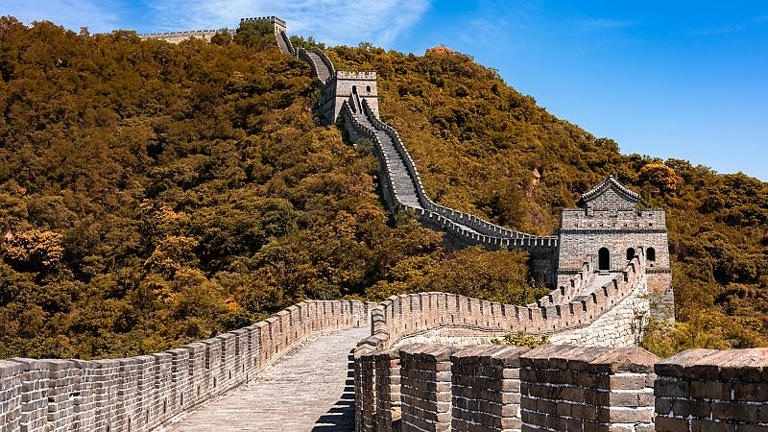
1. The Great Wall Isn’t a Single Structure
When people say “The Great Wall of China,” they often imagine one endless wall. In reality, it’s a collection of walls, fortresses, and watchtowers built over centuries by different dynasties.
Stretching more than 21,000 km, it’s the longest man-made structure in the world—but not continuous. Some sections are ruins, others restored, all telling unique stories of defense and empire.
2. China Is the Origin of Ice Cream

Yes, you can thank China for your favorite dessert! More than 4,000 years ago, Chinese chefs mixed milk, rice, and snow to create a frozen treat.
This early version of ice cream eventually made its way to Europe through the Silk Road, inspiring the modern ice cream we enjoy today.
3. Toilet Paper Was Invented for Emperors
Toilet paper first appeared in 6th-century China, but it wasn’t for everyone. By the 14th century, the imperial court used 750,000 sheets yearly, some even perfumed, reserved only for emperors. Ordinary people relied on bamboo, cloth, or water.
This curious invention shows how China often blended innovation with luxury—centuries before the rest of the world discovered such comforts.
Quick Fact
The Yangtze River in China is the world’s longest river in Asia and the third-largest globally, stretching over 6,300 km (3,915 miles).
4. The Chinese Language
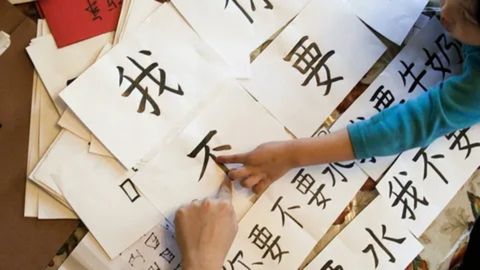
Chinese is the oldest written language still in use, dating back 3,000+ years. Mandarin, China’s official tongue, is spoken by 1.1 billion people, making it the world’s most spoken language.
Beyond Mandarin, there are hundreds of dialects across 56 ethnic groups, reflecting China’s vast diversity. Its characters number in the tens of thousands, but knowing 3,000 is enough for daily life.
5. Paper Money Was Invented in China
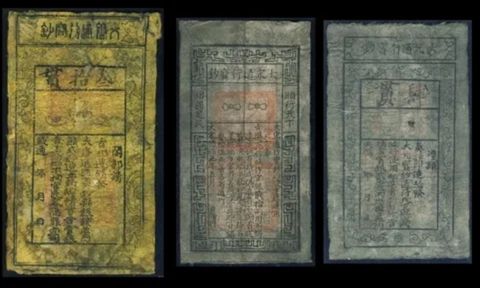
China introduced the world’s first paper currency during the Tang Dynasty in the 7th century, later popularized in the Song Dynasty. Called jiaozi, it replaced heavy coins and made trade easier across vast distances.
Fast forward to today, China still leads the way—with 90%+ of urban payments now made digitally via apps like WeChat Pay and Alipay.
6. The Forbidden City Has 9,999 Rooms
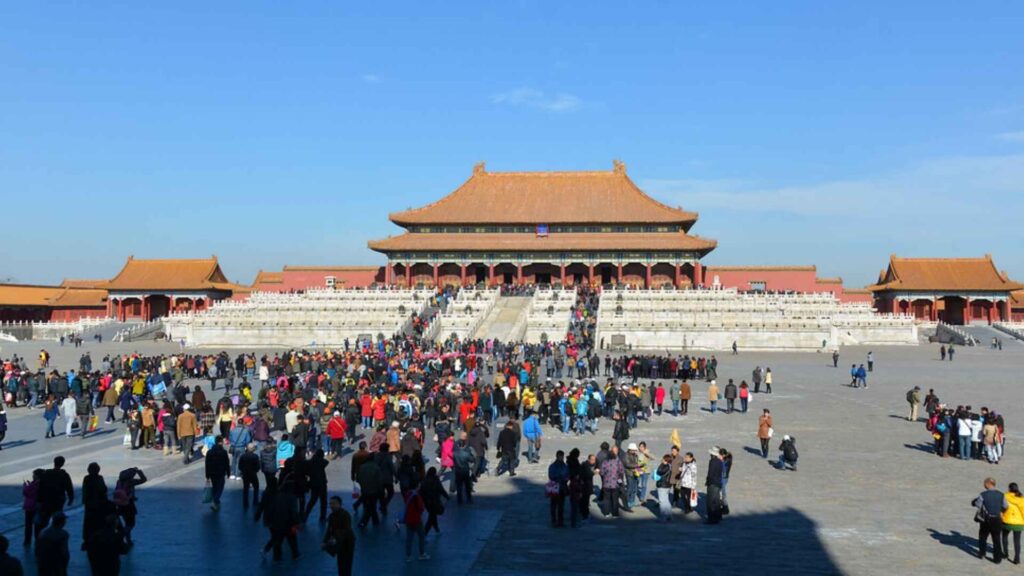
Beijing’s Forbidden City, built in the early 15th century, is the largest palace complex on Earth, with 9,999 rooms. Why not 10,000? In Chinese culture, 10,000 symbolized divine perfection, a number reserved for heaven.
Emperors claimed earthly power, not divine—so they stopped just short. Today, it’s a UNESCO site visited by 16 million tourists yearly.
Quick Fact
Ketchup was first created in 17th-century China as a fermented fish sauce called kê-tsiap before evolving into today’s tomato condiment.
7. Soccer Was Invented in China Over 2,000 Years Ago
The world’s favorite sport traces back to China’s Han Dynasty (206 B.C.), where people played cuju—“kick ball.” Players used a leather ball stuffed with feathers, kicking it into small nets.
FIFA even recognizes cuju as the earliest form of soccer. Two millennia later, the game has become a global passion, starting with ancient Chinese players.
8. The World’s Largest Mall Is 99% Empty
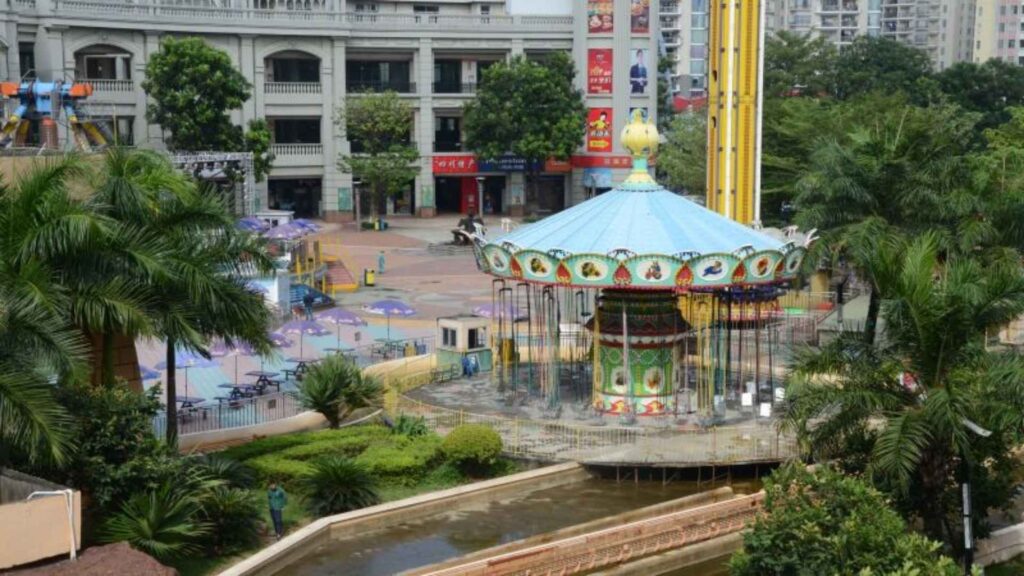
The New South China Mall in Dongguan is the world’s biggest, designed to hold 2,300+ stores across 7.1 million sq ft. Yet, after opening in 2005, it sat 99% vacant for years, earning the nickname “Ghost Mall.”
Poor planning and lack of access left it abandoned, making it one of modern China’s strangest contrasts: the largest mall with almost no shoppers.
9. Red Is the Color of Luck and Celebration
In China, red symbolizes luck, joy, and prosperity. It’s everywhere during weddings, festivals, and especially the Lunar New Year, when red lanterns, envelopes, and clothes fill the streets. The color is believed to ward off evil spirits and bring fortune.
Even today, red remains the most powerful cultural symbol—from bridal dresses to business logos—representing happiness and success in Chinese tradition.
Quick Fact
Fortune cookies weren’t invented in China—they originated in California in the early 1900s, making them more American than Chinese.
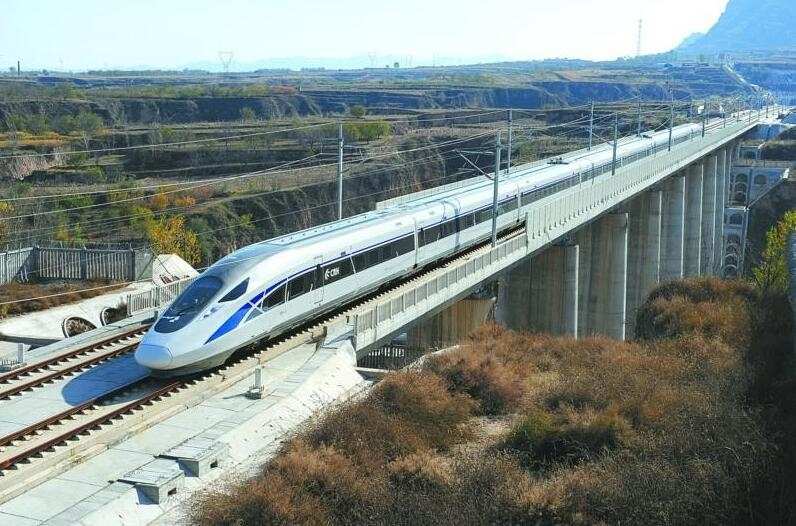
10. China Has the World’s Longest High-Speed Rail Network
China’s high-speed rail spans 40,000+ km (25,000 miles)—longer than all other countries combined. Trains reach speeds up to 350 km/h (217 mph), linking cities like Beijing and Shanghai in just 4.5 hours instead of 10.
With rapid expansion each year, it’s not just the largest network on Earth but also a symbol of China’s innovation and modern growth.
11. White Is the Color of Mourning
Unlike in many Western cultures, where white means purity, in China it’s the color of mourning and death. White is traditionally worn at funerals and symbolizes loss and the afterlife. Families may use white flowers, envelopes, or clothing during mourning rituals.
This cultural difference is why celebratory events avoid white, favoring red for luck instead. It’s a striking reminder of how colors carry very different meanings across cultures.
12. The Entire Country Has Just One Time Zone
Despite spanning nearly 5,200 km (3,250 miles) east to west—wider than the continental U.S.—China follows a single time zone: Beijing Time (UTC+8). This means when it’s sunrise in Xinjiang, clocks still match Beijing’s.
The system was adopted in 1949 for national unity, but it leads to unusual daily schedules in western regions, where people often start work much later than the official clock suggests.
Quick Fact
In China, some men grow a long pinky fingernail as a traditional symbol of wealth and status, showing they don’t need to do manual labor.
FAQs
Q. What are some fun and interesting facts about China?
China is full of surprises! From inventing paper, ice cream, and soccer to having the world’s longest high-speed rail and only one time zone, the country blends ancient traditions with modern marvels.
Q: Why is red such an important color in Chinese culture?
In Chinese culture, red symbolizes luck, joy, and prosperity. It’s widely used during Lunar New Year, weddings, and festivals to bring good fortune and ward off evil spirits.
Q: What makes the Great Wall of China so special?
The Great Wall isn’t one single wall but a series of forts, towers, and walls stretching over 21,000 km. Built across centuries, it’s the longest man-made structure in the world and a UNESCO World Heritage Site.

Curious by nature, storyteller by choice. I run Interesting Facts to bring you mind-blowing stories, hidden truths, and fascinating insights from around the globe. If it makes you say “Wow, I never knew that!”—my job is done.
Laiba Hanif is a professional fact-finder and the writer behind “Interesting Facts.” Fueled by a degree in Anthropology and over five years of experience unearthing hidden truths, she specializes in digging up the most bizarre, fascinating, and mind-bending tidbits the world has to offer. She’s here to prove that reality is stranger—and more amazing—than fiction.