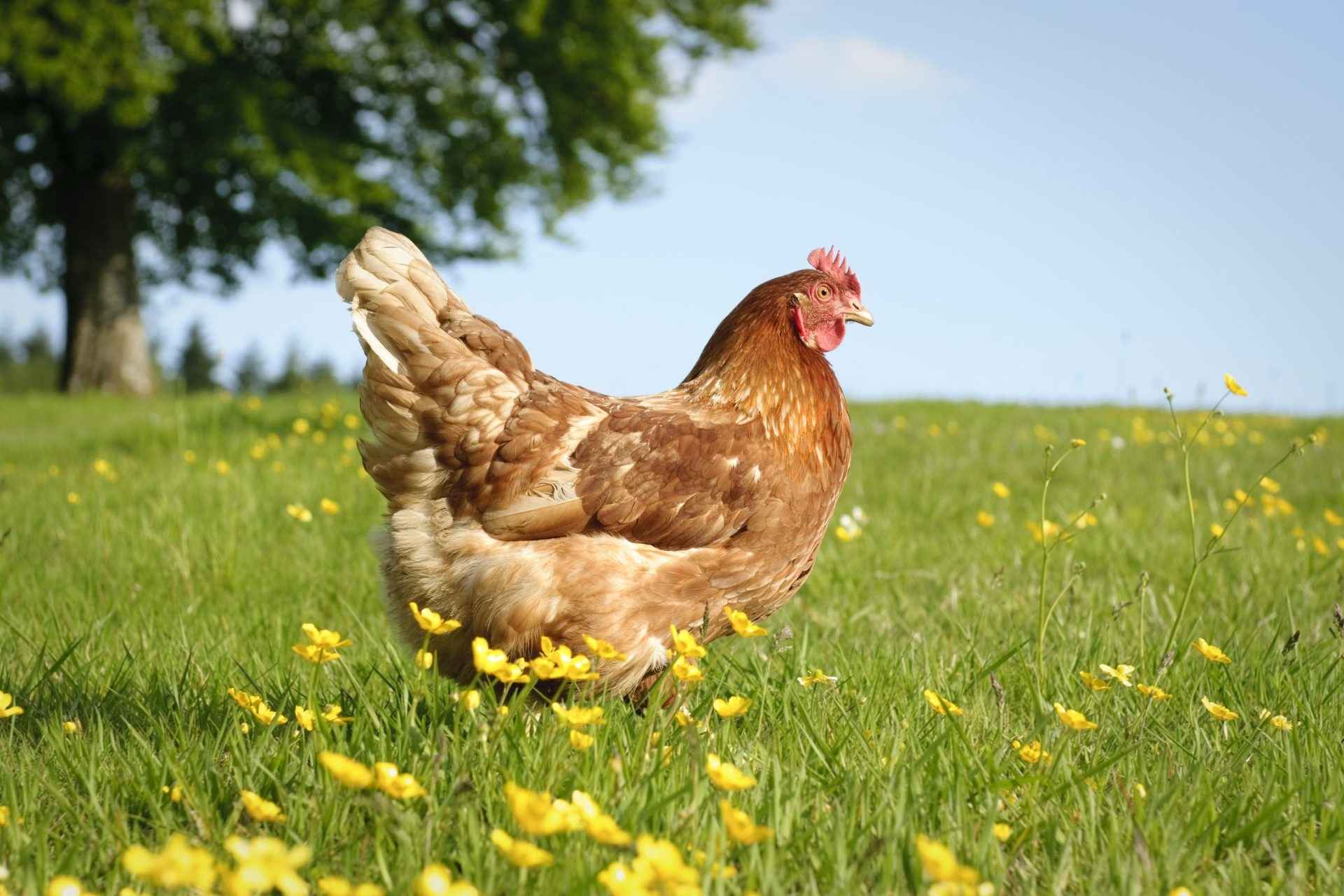
Hens, the female of the species Gallus gallus domesticus, are one of the most widespread and familiar domestic animals in the world. Surprising facts about hens include Descended from the red junglefowl of Southeast Asia, these intelligent and social birds have been a vital part of human civilization for thousands of years, primarily valued for their eggs and meat.
Beyond their agricultural significance, hens possess a fascinating array of behaviors and biological traits, from their complex social structures to their surprising connections to ancient dinosaurs. Here are quick key facts about hens:
| Feature | Details |
|---|
| Scientific Name | Gallus gallus domesticus |
| Species | Domestic chicken (subspecies of Red Junglefowl) |
| Class | Aves (Birds) |
| Average Lifespan | 5–10 years (depending on breed and care) |
| Weight | 1.5–3.5 kg (varies by breed) |
| Habitat | Domesticated worldwide (farms, backyards) |
| Purpose | Egg production, meat, pets, cultural/religious use |
| Reproduction | Lays eggs (average 250–300 per year in high-laying breeds) |
12 Interesting Facts About Hen
Hens may look ordinary, but they’re full of surprises. Here are 12 interesting facts about hens that prove they’re smarter, more social, and more fascinating than most people realize.
1. Dinosaur relatives
Hens are direct descendants of the red junglefowl and share DNA with the T. rex.
2. Limited flyers
They can fly, but only in short bursts to escape predators or reach perches.
Quick Fact: A hen’s body temperature is higher than a human’s, typically ranging from 104 to 107 degrees Fahrenheit (40-41.7 degrees Celsius).
3. Egg color clue
A hen’s earlobe often matches her egg color: red for brown eggs, white for white eggs.
4. Light-driven layers
Egg production depends on daylight hours; more light means more eggs.
5. Face recognition & unique vision
Hens know over 100 individual faces, both human and chicken. Hens have tetrachromatic vision, meaning they have four types of cones in their eyes that allow them to see a wider range of colors, including ultraviolet light, which is invisible to humans.
Quick Fact: Hens preen their feathers using an oil gland at the base of their tail. This helps keep their feathers waterproof and in good condition.
6. Blushing birds
Their combs and wattles change color to show excitement or emotion.
7. Egg oddities
Double yolks, tiny “fairy eggs,” and record-breaking jumbo eggs are all part of hen trivia.
8. Smart problem solvers
Hens can count, learn tricks, and remember solutions to simple puzzles.
Quick Fact: Hens use a variety of calls, with over 30 distinct vocalizations, to communicate with each other.
9. Combs and health
A bright red comb means a healthy hen, while pale or droopy combs signal stress.

10. Hens can dream
Like humans and other mammals, hens experience REM (rapid eye movement) sleep, which is the phase of sleep associated with dreaming.
Quick Fact: The comb and wattles on a hen’s head serve as a cooling system, helping them regulate their body temperature, as they don’t have sweat glands.
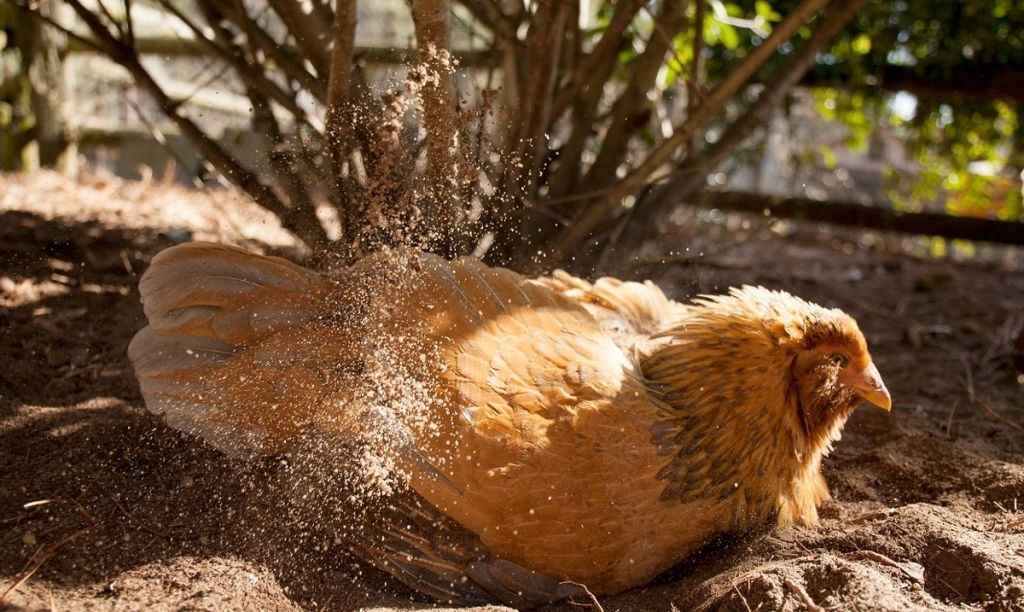
11. They use dust to clean themselves
Instead of bathing in water, hens take “dust baths” by wriggling around in loose dirt or sand. This helps them remove parasites and excess oil from their feathers.
12. Hens are omnivores
Hens eat a variety of things, including seeds, insects, worms, and even small lizards or mice.
FAQs
Q1: How long do hens live?
Most domestic hens (Gallus gallus domesticus) live between 5 and 10 years, depending on breed, diet, and care. Some backyard breeds like Orpingtons or Silkies can live even longer.
Q2: Do hens lay eggs every day?
Not all hens lay daily. Egg production depends on breed, age, light exposure, and overall health. Most hens produce about 200–300 eggs per year.
Q3: What affects egg color?
A hen’s earlobe color and breed usually determine her egg color. For example, hens with red earlobes often lay brown eggs, while white earlobes are linked to white eggs.

Curious by nature, storyteller by choice. I run Interesting Facts to bring you mind-blowing stories, hidden truths, and fascinating insights from around the globe. If it makes you say “Wow, I never knew that!”—my job is done.
Laiba Hanif is a professional fact-finder and the writer behind “Interesting Facts.” Fueled by a degree in Anthropology and over five years of experience unearthing hidden truths, she specializes in digging up the most bizarre, fascinating, and mind-bending tidbits the world has to offer. She’s here to prove that reality is stranger—and more amazing—than fiction.