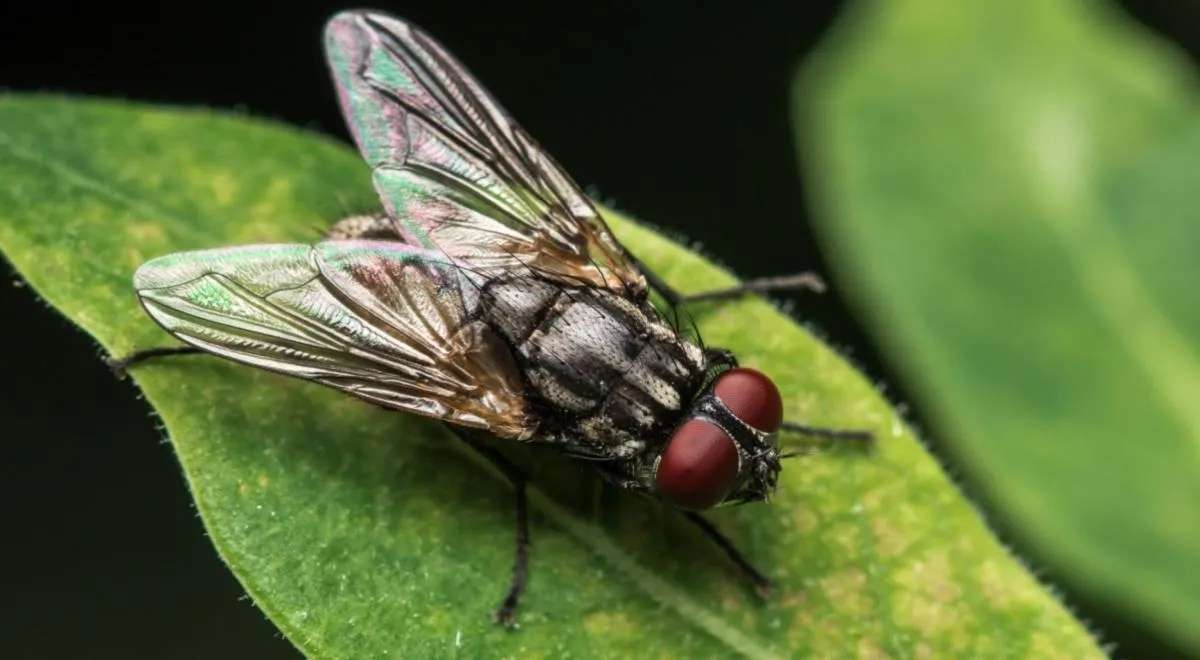
Flies—The tiny insects are packed with surprising abilities and bizarre habits that most people have never heard of. From tasting food with their feet to helping solve crimes, flies play fascinating—and even important—roles in our world. In this article, we’ll uncover 12 interesting facts about flies that will completely change the way you see them.
12 Interesting Facts About Flies
When you think about flies, chances are you picture an annoying little insect buzzing around your food. But did you know these tiny creatures are full of surprising secrets? In fact, flies are among the most fascinating insects on the planet.
Quick Facts About Flies
| Fly Species | Average Lifespan | Unique Fact |
|---|---|---|
| Housefly (Musca domestica) | 15–30 days | Can lay up to 500 eggs in a lifetime. |
| Fruit Fly (Drosophila melanogaster) | 40–50 days | Widely used in genetic and scientific research. |
| Blowfly (Calliphoridae) | 2–4 weeks | Key insect in forensic science for estimating time of death. |
| Horse Fly (Tabanidae) | 30–60 days | Females feed on blood, while males eat nectar. |
| Crane Fly (Tipulidae) | 10–15 days | Often mistaken for giant mosquitoes but harmless. |
| Sand Fly (Phlebotominae) | 14–21 days | Known for transmitting diseases like leishmaniasis. |
| Tsetse Fly (Glossina) | 2–3 weeks (wild), months (in labs) | Transmits sleeping sickness in Africa. |
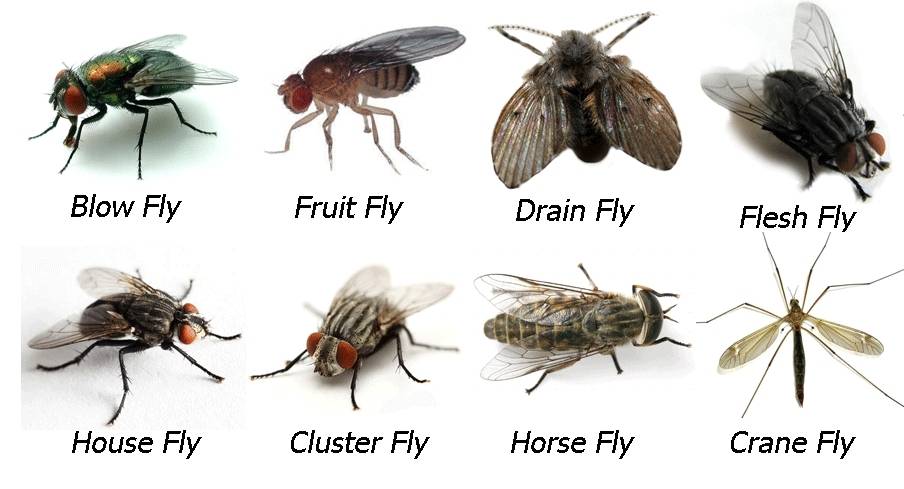
1. Flies Only Have Two Wings
Unlike most insects that have four wings, flies belong to a special order called Diptera, meaning “two wings.” Their second pair evolved into tiny structures called halteres, which act like gyroscopes, helping them balance in flight.
2. Flies Taste With Their Feet
Ever wonder why flies walk all over your food? Their feet are covered in taste receptors, so every step gives them a “flavor test.” For flies, stepping on a pizza is the same as taking a bite!
3. Flies Can’t Chew—They Spit Their Food First
Flies lack chewing mouthparts. Instead, they regurgitate digestive enzymes onto food, liquefy it, and then slurp it up like a smoothie. Sounds gross, but it’s incredibly efficient.
4. Flies See the World in Slow Motion
Thanks to compound eyes with thousands of lenses, flies detect movement much faster than humans. What looks like normal speed to us appears in slow motion to them, making it nearly impossible to swat one.
5. Flies Have Nearly 360-Degree Vision
A fly’s bulging eyes give it an almost complete panoramic view of its surroundings. This wide vision helps them detect danger from nearly every angle.
6. Flies Can Walk on Ceilings
Thanks to tiny sticky pads and claws on their feet, flies can cling to smooth surfaces, even upside down. Gravity is no obstacle for them.
Flies Poop More Than You Think
Their fast digestion means they relieve themselves almost every time they land.
7. Male Flies Have a “Love Spot” in Their Eyes
Some male flies have a specialized region in their eyes called the “love spot,” which helps them track females during courtship flights. It’s like built-in radar for romance.
8. Flies Are Incredibly Fast Fliers
Flies beat their wings about 200 times per second, allowing them to reach speeds of up to 5 miles per hour. For their size, that’s lightning fast.
9. Flies Are Important Pollinators and Decomposers
While bees get all the credit, flies also pollinate flowers and crops. Plus, they play a vital role in breaking down waste, helping recycle nutrients back into the ecosystem.
10. Flies Are Used in Forensic Science
Blowflies are often the first insects to arrive at a crime scene. Forensic experts study their life cycle to help estimate time of death in criminal investigations.
11. Flies Are Obsessed With Being Clean
Contrary to popular belief, flies groom themselves constantly. They wipe their bodies and wings with their legs to keep their sensory hairs in top condition.
12. The Lifespan of a Fly Is Short but Prolific
A housefly typically lives just 15 to 30 days, but in that time, it can lay up to 500 eggs. This short yet productive life ensures their survival everywhere humans live.
Vampire Flies: Hippoboscidae
Not all flies stick to fruit or garbage—some are true bloodsuckers. Known as “vampire flies,” certain species survive by feeding on the blood of birds and mammals.
FAQs
Q1. Do flies really taste with their feet?
Yes! Flies have taste receptors on their feet, so when they land on food, they can instantly “taste test” it by walking across it.
Q2. Why do flies rub their legs together?
When flies rub their legs, they’re actually cleaning themselves. Flies groom constantly to keep their sensory hairs sharp and effective.
Q3. How fast can a fly fly?
A housefly can reach speeds of around 5 miles per hour while beating its wings about 200 times per second. That’s what makes them so hard to swat!
Q4. Are flies useful for humans?
Absolutely. Flies are pollinators and decomposers and are even used in forensic science to estimate time of death in criminal cases. They play an important role in nature.
Q5. Can flies really walk upside down?
Yes. Flies have tiny claws and sticky pads on their feet that let them cling to ceilings and smooth surfaces with ease.

Curious by nature, storyteller by choice. I run Interesting Facts to bring you mind-blowing stories, hidden truths, and fascinating insights from around the globe. If it makes you say “Wow, I never knew that!”—my job is done.
Laiba Hanif is a professional fact-finder and the writer behind “Interesting Facts.” Fueled by a degree in Anthropology and over five years of experience unearthing hidden truths, she specializes in digging up the most bizarre, fascinating, and mind-bending tidbits the world has to offer. She’s here to prove that reality is stranger—and more amazing—than fiction.