Tahiti isn’t just another tropical island—it’s a living paradise steeped in culture, art, and natural wonders. From its volcanic heart to its glowing lagoons, every inch of this island tells a story of beauty, mystery, and aloha.
So, whether you’re an adventurer, a dreamer, or a hopeless romantic, facts about Tahiti promise memories that will last a lifetime.
Discover the Magic of Tahiti—Quick Facts About Tahiti
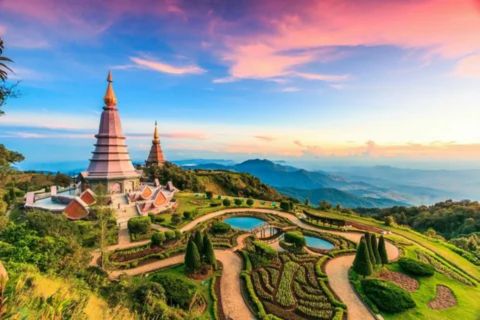
Tahiti, the heart of French Polynesia, is a tropical paradise where emerald mountains meet crystal-clear lagoons. Known for its black sand beaches, overwater bungalows, and warm island spirit, Tahiti blends natural beauty with rich Polynesian culture. From fragrant Tiare flowers to fiery sunsets, every moment here feels like a dream—a perfect escape to paradise in the South Pacific.
Quick Facts About Tahiti
| Fact | Detail |
|---|---|
| Location | South Pacific Ocean |
| Capital | Papeete |
| Country | French Polynesia (France) |
| Languages | French & Tahitian |
| Currency | CFP Franc (XPF) |
| Climate | Tropical, warm year-round |
| Famous For | Black sand beaches, overwater bungalows, black pearls |
| Best Time to Visit | May to October |
| Local Greeting | Ia Orana (Hello) |
15 Fascinating Facts About Tahiti
1. The Tahitian Alphabet is Short
The native Tahitian language, Reo Tahiti, uses an alphabet with only 13 letters. It consists of the five vowels (a, e, i, o, u) and eight consonants (f, h, m, n, p, r, t, v).
2. Tiaré Flower is a Relationship Status Symbol
The fragrant white Tiaré flower, the national emblem of French Polynesia, is often worn behind the ear. If a person wears it behind their left ear, it means they are in a relationship. If it’s worn behind the right ear, they are available.
Bonus Facts: Because the letter ‘B’ doesn’t exist in the Tahitian alphabet, the famous island of Bora Bora is actually a phonetic spelling of Pora Pora, which means “first-born.”
3. The Iconic Overwater Bungalow Was a Tahitian Invention
The popular overwater bungalow, a staple of luxury resorts worldwide, originated in the Tahitian Islands (specifically in Raiatea) during the mid-1960s. The design was inspired by traditional Polynesian fishing huts built on stilts.
4. Tahiti Has Its Own Pearl Industry
Tahiti is world-famous for its black pearls, which shimmer in shades of green, blue, and silver. These natural treasures are farmed in lagoons across the islands.
5. You Can See Glow-in-the-Dark Lagoons
In certain parts of Tahiti, the lagoon waters bioluminesce at night—glowing softly with plankton that light up the waves. A magical natural light show!
Unlike the white coral sands of its sister islands, Tahiti boasts striking black sand beaches on its eastern coast, a dramatic consequence of the island’s volcanic origins.
6. Tattooing Began in Tahiti
The word “tattoo” actually comes from the Tahitian word “tatau.” In ancient times, tattoos were symbols of strength, beauty, and identity—a sacred art still practiced today.

7. There’s a Sacred Underwater Temple
Near Papenoo Bay, divers can explore submerged stone structures believed to be remnants of ancient temples or altars—a mysterious glimpse into Tahiti’s spiritual past.
8. It Hosts a World-Famous Surf Spot
Teahupo’o, on Tahiti Iti, is considered one of the world’s heaviest and most dangerous waves. It’s a bucket-list destination for elite surfers.
9. Tahiti Has No Snakes
Good news for travelers—there are no poisonous snakes or dangerous animals on the island. Nature here is as peaceful as it is beautiful.
10. It’s a Year-Round Tropical Paradise
With temperatures averaging around 80°F (27°C) year-round, Tahiti offers endless summer vibes, no matter when you visit.
11. Coconut Trees Are Everywhere
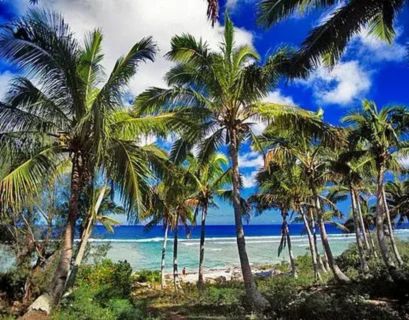
Coconut palms are a vital part of daily life. Locals use coconuts for food, drinks, oils, and even crafts—nothing goes to waste.
12. You Can Swim with Sharks and Rays
Tahiti’s clear lagoons are home to friendly blacktip reef sharks and stingrays. Guided tours let visitors swim safely alongside these majestic creatures.
Tahiti and her islands serve as a protected sanctuary and calving ground for migrating Humpback Whales, offering incredible opportunities for respectful whale watching
13. Feast Food is Cooked Underground
For celebratory meals, food is traditionally cooked in an ‘Ahima’a, which is an underground oven. A pit is dug, filled with wood and volcanic stones that are heated, and then the food—such as pork, chicken, and breadfruit, all wrapped in banana leaves—is placed on top of the stones, covered, and left to steam and smoke for hours.
14. Home to a “Third Gender”
Tahitian culture recognizes and respects a third gender, known as Māhū (men who are raised as women) and Raerae (transgender women). They were historically revered in society.
15. The “Tahitian Television”
The glass floor panels in overwater bungalows were jokingly called “Tahitian television” by the inventors because, without a TV or phone, watching the fish and sea life was a new form of entertainment.
Curious by nature, storyteller by choice. I run Interesting Facts to bring you mind-blowing stories, hidden truths, and fascinating insights from around the globe. If it makes you say “Wow, I never knew that!”—my job is done.
Laiba Hanif is a professional fact-finder and the writer behind “Interesting Facts.” Fueled by a degree in Anthropology and over five years of experience unearthing hidden truths, she specializes in digging up the most bizarre, fascinating, and mind-bending tidbits the world has to offer. She’s here to prove that reality is stranger—and more amazing—than fiction.