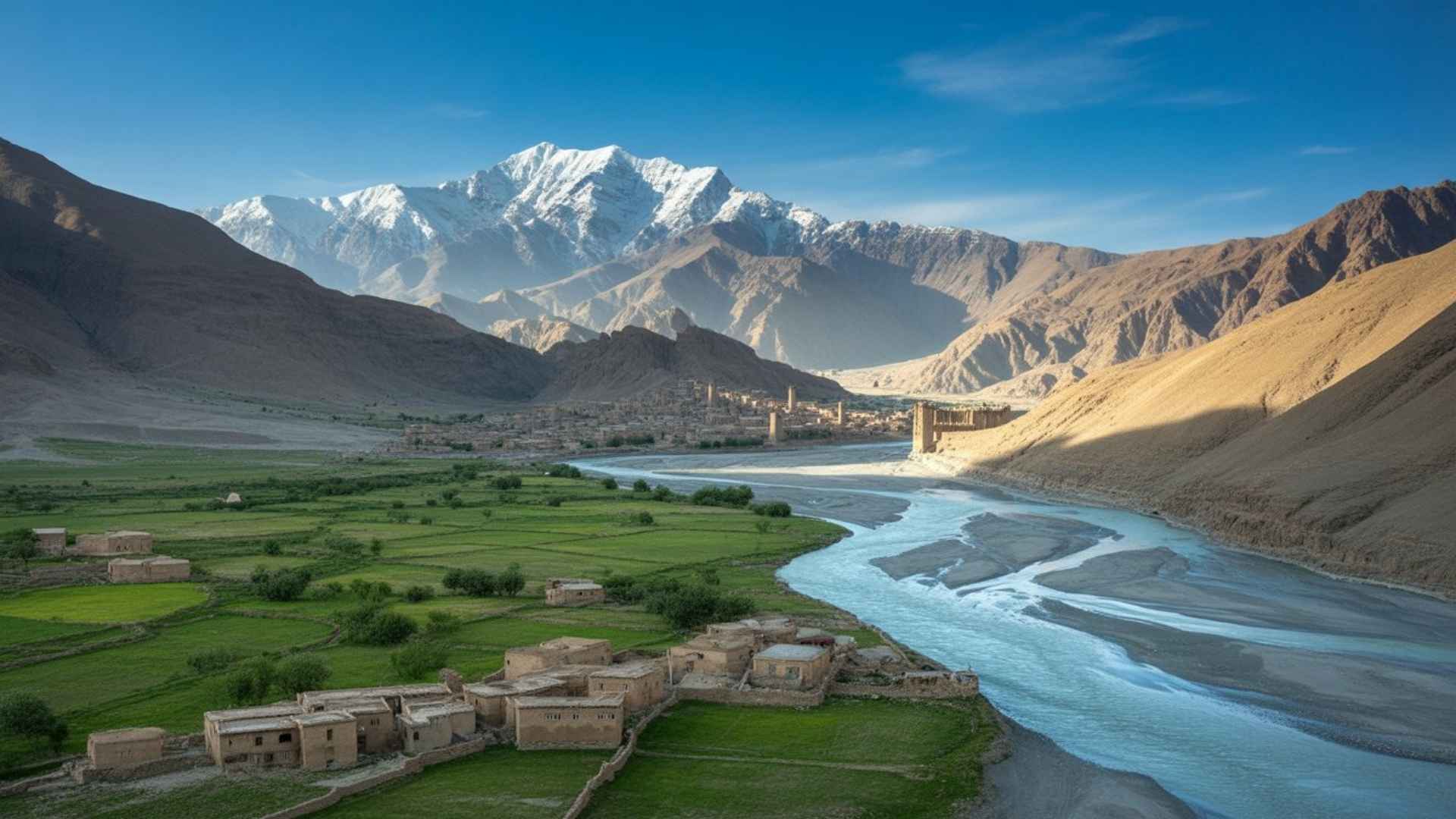
From ancient empires to modern quirks, these 15 interesting facts about Afghanistan reveal a fascinating blend of past and present.
Afghanistan is more than just headlines—it’s a land of history, mountains, and vibrant traditions. From ancient empires to unique cultural gems, here are 15 interesting facts about Afghanistan that reveal its rich and surprising story.
1. Afghanistan is Landlocked Yet Beautiful
- Afghanistan is a landlocked country in South Asia, bordered by six nations, including Pakistan, Iran, and China.
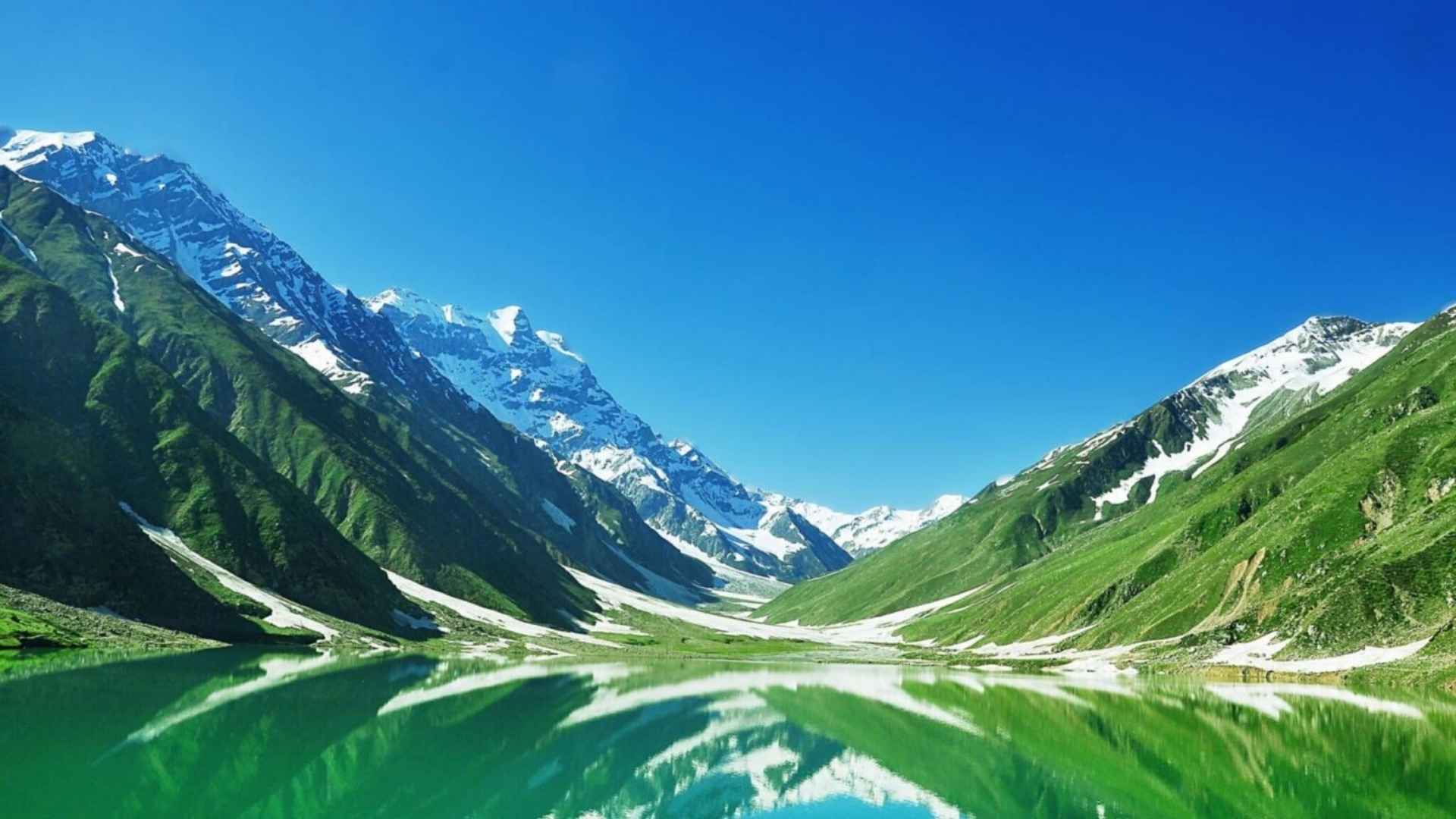
- Despite no access to the sea, the country boasts towering Hindu Kush mountains, lush valleys, and arid deserts.
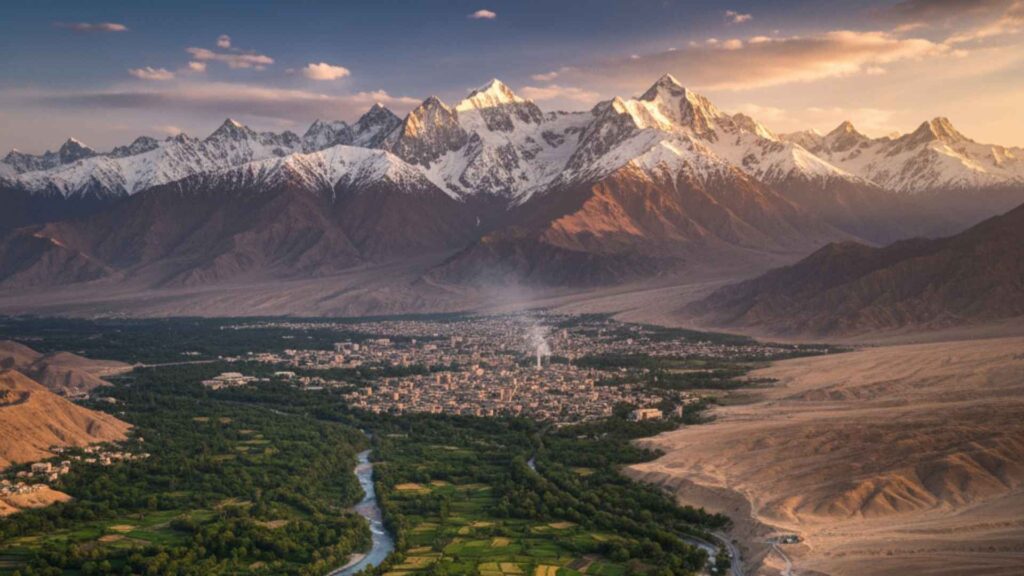
- Kabul, the capital, sits at over 5,800 feet (1,800 meters), making it one of the world’s highest capitals.
- The country’s geography facts reveal incredible diversity: snowy winters, dry plateaus, and fertile farmlands.
- Its rivers, like the Amu Darya, provide life and agriculture in otherwise rugged terrain.
Quick Fact
Afghanistan has long been the world’s largest producer of opium, accounting for over 80% of the global supply and deeply influencing its economy and security.
2. Afghanistan Was a vital crossroads on the ancient Silk Road
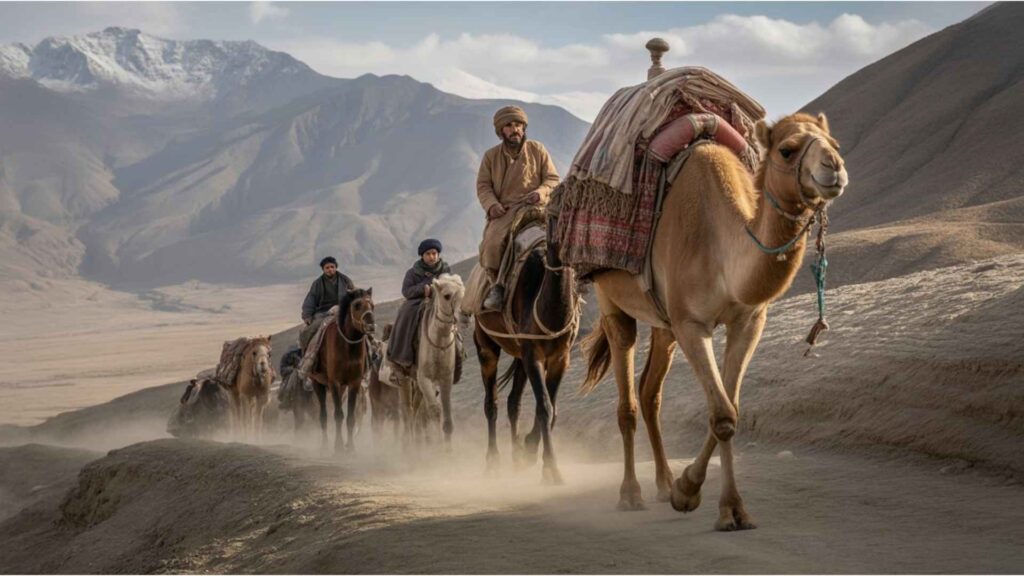
- For thousands of years, Afghanistan was a vital hub along the Silk Road, the ancient trade network connecting Asia, the Middle East, and Europe.
- Merchants passed through Afghan cities carrying spices, silk, precious stones, and knowledge across continents.
- Cities like Herat, Kandahar, and Balkh grow as cultural and economic centers during this time.
- This trade brought not only goods but also religion, art, and language, making Afghanistan a true crossroads of civilizations.
- The Silk Road legacy shows how Afghanistan once stood at the center of global exchange and influence.
3. Afghanistan Has One of the World’s Oldest Cities
- The city of Balkh, often called the “Mother of Cities,” dates back over 4,000 years.
- It was once part of ancient Bactria, a thriving center of culture and trade.
- Balkh nurtured great thinkers, poets, and scholars, cementing Afghanistan’s place in early world civilization
4. The Capital City, Kabul
- Old yet modern: Kabul is one of the world’s oldest cities, founded more than 3,500 years ago.
- Mountain setting: Nestled in the Hindu Kush mountains, the city offers stunning views.
- Cultural hub: Known for its bazaars, poetry, and gardens.
- Resilient spirit: Despite challenges, Kabul remains Afghanistan’s beating heart—where tradition and modern life meet.
Quick Fact
Poetry is a deeply valued part of Afghan culture, celebrated for centuries through great poets like Rumi and Khushal Khan Khattak, and still cherished in gatherings today.
5. Afghanistan’s National Sport—Buzkashi
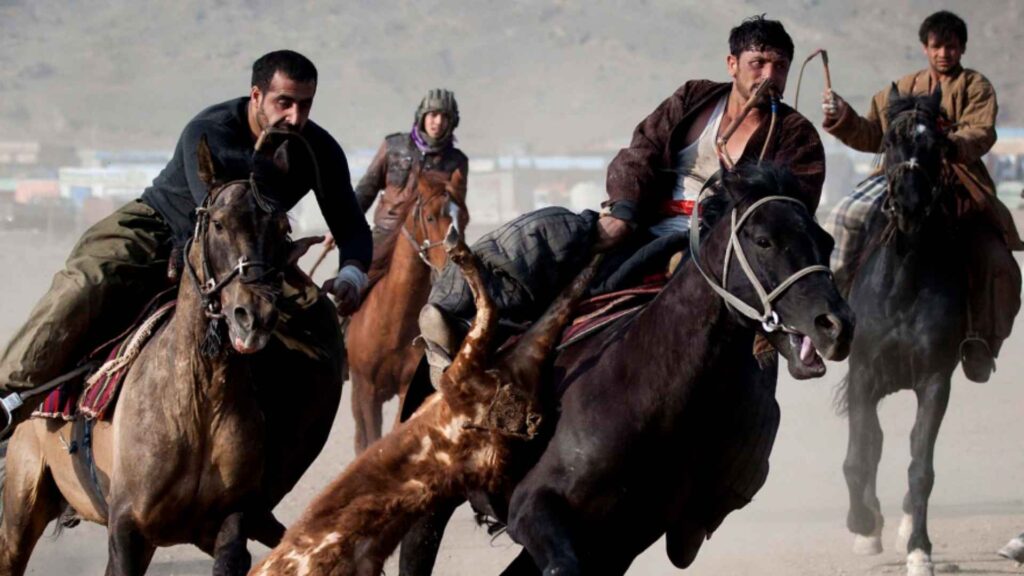
- Afghanistan’s national sport is Buzkashi, meaning “goat-grabbing.”
- The sport involves players on horseback who vie to seize a goat carcass and deliver it to a designated goal.
- It’s a centuries-old tradition, often compared to polo but far more intense.
- Buzkashi is the symbol of strength, skill, and teamwork in Afghan culture.
6. Afghanistan Is Known as the “Graveyard of Empires”
- Afghanistan has long been known as the “Graveyard of Empires” for its history of successfully resisting foreign invasions, from the armies of Alexander the Great to the British and Soviets.
- Its rugged terrain, resilient people, and strategic location made conquest nearly impossible.
7. Afghanistan Has Stunning Blue Mosques
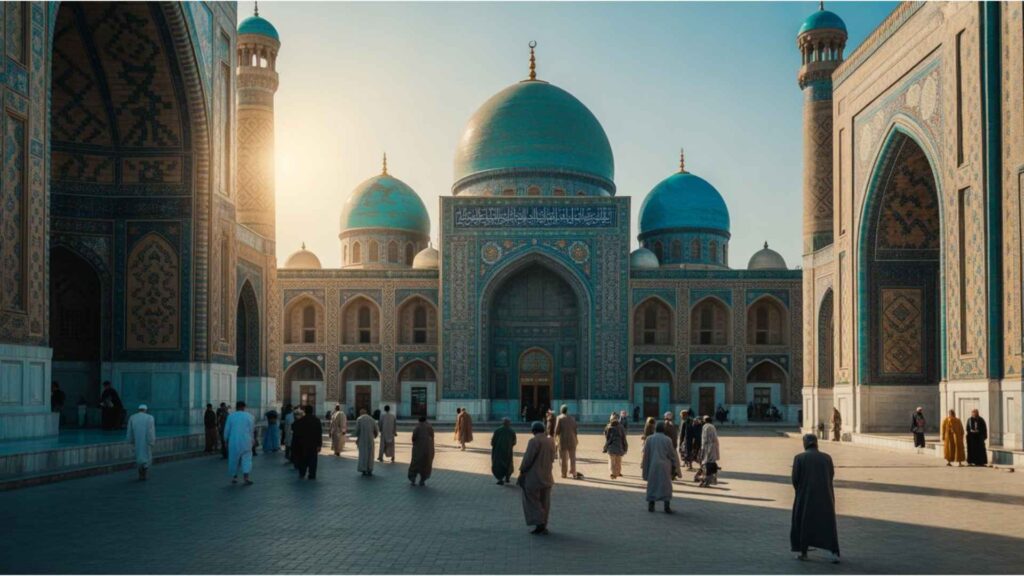
- The renowned Blue Mosque in Mazar-i-Sharif mesmerizes visitors with a stunning display of turquoise tiles and elaborate Islamic art.
- Built in the 15th century, it remains a spiritual and cultural landmark.
- Its shimmering colors and detailed mosaics showcase Afghanistan’s rich Islamic architecture and artistic heritage.
8. Afghanistan’s Breath-taking Mountains
- Afghanistan is home to the Hindu Kush mountain range, with peaks soaring over 24,000 feet.
- These rugged mountains dominate the landscape, shaping climate, culture, and history.
- For centuries, they provided natural defense and inspired travelers with their majestic beauty and challenging terrain.
Quick Fact
The world’s first known oil paintings were created in the caves of Bamiyan, Afghanistan, over a thousand years ago.
9. Afghanistan’s Natural Resources
- Afghanistan holds vast mineral wealth—including copper, gold, and iron ore.
- It’s believed to have one of the largest lithium reserves in the world, key for batteries.
- Natural gas and precious stones (like lapis lazuli) have been mined for centuries.
- Despite this wealth, much remains untapped due to conflict and infrastructure challenges.
10. Unique Afghan Cuisine
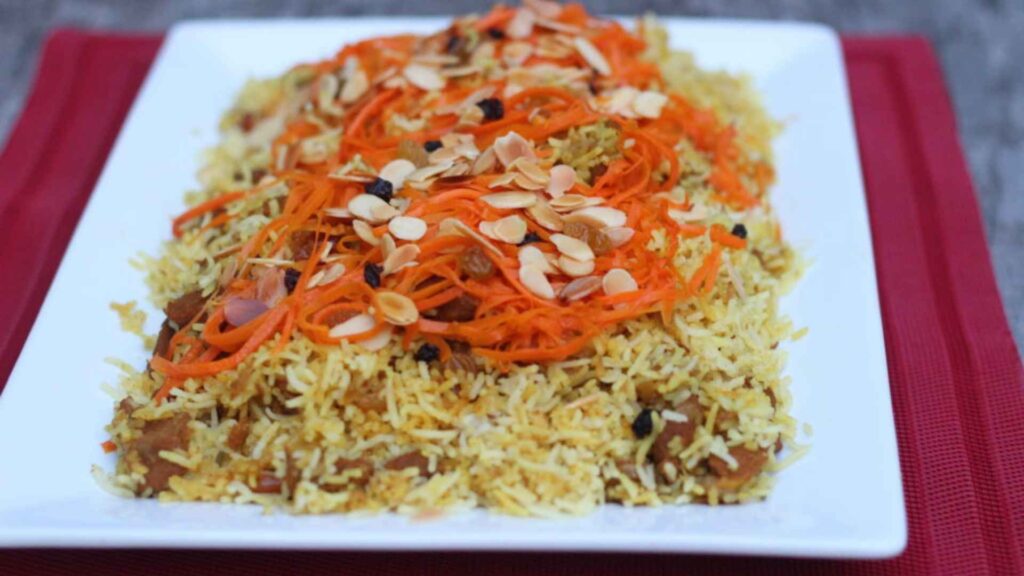
- Kabli Pulao: Afghanistan’s national dish made with rice, carrots, raisins, and lamb.
- Mantoo & Ashak: Dumplings filled with meat or leeks, topped with yogurt and spices.
- Fresh naan bread: Served with almost every meal.
- Tea culture: Green and black tea are staples, often shared during hospitality rituals.
11. Afghanistan’s Unique Language Diversity
- Afghanistan has over 40 languages spoken across the country.
- There are two official languages, Pashto and Dari, but many also speak Uzbek, Turkmen, and others.
- This linguistic diversity reflects the country’s multiethnic heritage.
- Language acts as a bridge, connecting rich traditions and regional identities.
12. Afghanistan’s Pomegranates Are World-Famous
- Afghanistan grows most of the sweetest pomegranates in the world.
- The fertile regions of Kandahar are especially famous for this fruit.
- Pomegranates are a major export product, loved for their rich taste and health benefits.
- They symbolize prosperity and abundance in Afghan culture.
13. Afghanistan Has Ancient Buddhist Heritage
- Long before Islam, Afghanistan was a hub of Buddhism.
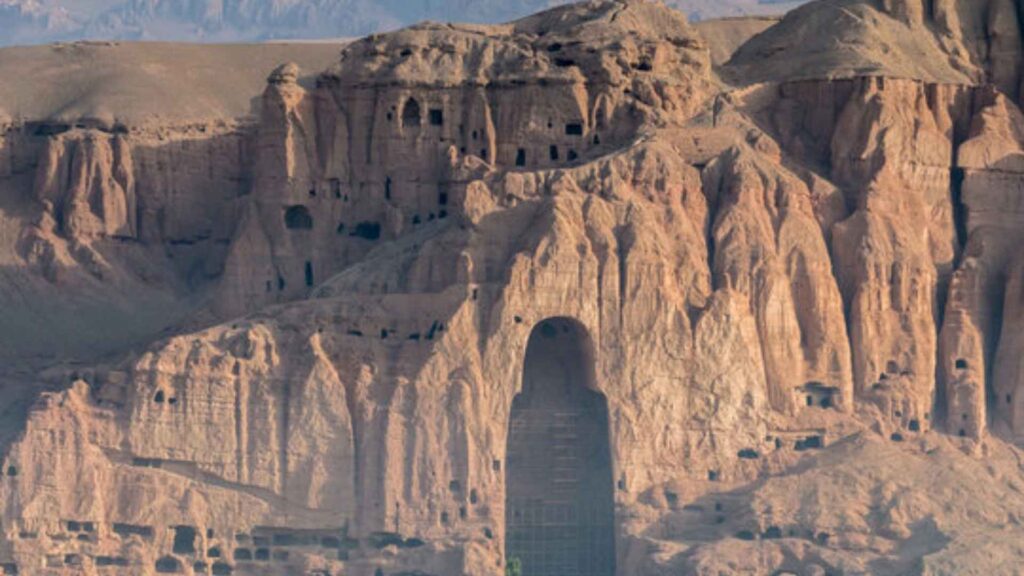
- The famous Buddhas of Bamiyan, carved into cliffs, stood for 1,500 years.
- Monks once traveled the Silk Road through Afghan valleys.
- These ruins highlight the country’s role as a crossroads of civilizations and faiths.
Quick Fact
The world’s largest Buddhas once stood in Bamiyan, Afghanistan, carved in the 6th century, but were tragically destroyed by the Taliban in 2001.
14. Afghanistan’s Rug-Weaving Tradition
- Afghan rugs are world-renowned for their intricate patterns and durability.
- Each region has its own style, often using natural dyes and hand-spun wool.
- These rugs are more than décor—they tell stories of culture and heritage.
- Collectors worldwide prize them for their beauty and craftsmanship.
15. Afghanistan’s Resilient Spirit of the People
- Despite decades of conflict, Afghans show remarkable resilience and hospitality.
- Family, tradition, and community remain central to daily life.
- Music, poetry, and storytelling continue to thrive.
- This enduring spirit reflects Afghanistan’s ability to preserve culture and identity, even in challenging times.
FAQs:
Q1. What is Afghanistan famous for?
Afghanistan is famous for its rich history, pomegranates, carpet weaving, and the Silk Road. It’s also known for landmarks like the Hindu Kush mountains and the Buddhas of Bamiyan.
Q2. Is Afghanistan safe to visit?
Currently, Afghanistan faces security challenges, so most governments advise against travel. However, its landscapes, history, and culture remain admired worldwide.
Q3. What language do people speak in Afghanistan?
The two official languages are Pashto and Dari, though over 40 languages are spoken, reflecting the nation’s ethnic diversity.
Q4. What food is popular in Afghanistan?
Afghan cuisine is hearty and flavorful. Favorites include Kabuli Pulao, mantu (dumplings), kebabs, and naan bread.
Q5. Why is Afghanistan called the “Heart of Asia”?
Afghanistan has long been known as the “Heart of Asia” because of its crucial geographical position. The country sits at a strategic crossroads, acting as a historical bridge that links the major regions of Central Asia, the Middle East, and South Asia.
Curious by nature, storyteller by choice. I run Interesting Facts to bring you mind-blowing stories, hidden truths, and fascinating insights from around the globe. If it makes you say “Wow, I never knew that!”—my job is done.
Laiba Hanif is a professional fact-finder and the writer behind “Interesting Facts.” Fueled by a degree in Anthropology and over five years of experience unearthing hidden truths, she specializes in digging up the most bizarre, fascinating, and mind-bending tidbits the world has to offer. She’s here to prove that reality is stranger—and more amazing—than fiction.