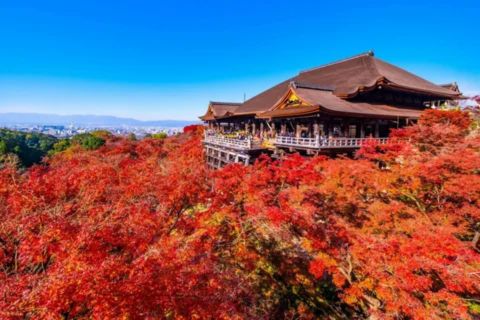
Kyoto isn’t just a city; it’s a living, breathing history book. Serving as Japan’s imperial capital for over a thousand years, it’s a place where ancient traditions blend seamlessly with modern life. While most travelers know about the Golden Pavilion and the Arashiyama Bamboo Grove, the city holds countless unique secrets and enchanting details. Let’s have a glance at quick facts about Kyoto
| Aspect | Details |
|---|---|
| Country | Japan |
| Region | Kansai (Honshu Island) |
| Founded | 794 AD (Heian Period) |
| Former Name | Heian-kyō (“Capital of Peace and Tranquility”) |
| Capital of Japan | 794–1868 (Before Tokyo) |
| Population | Approximately 1.45 million |
| UNESCO World Heritage Sites | 17 Sites |
| Famous Landmarks | Kinkaku-ji, Fushimi Inari Taisha, Gion District, Arashiyama Bamboo Grove |
| Signature Cuisine | Kaiseki Ryori, Matcha, Yuba (Tofu Skin), Shojin Ryori |
| Cultural Highlights | Geisha traditions, Tea ceremony, Zen gardens |
| Best Visiting Seasons | Spring (Cherry Blossoms) & Autumn (Maple Leaves) |
15 Interesting Facts About Kyoto
Here are 15 interesting facts about Kyoto that will make you fall in love with this extraordinary city all over again.
1. Kyoto Was Japan’s Capital for Over a Thousand Years
Before Tokyo, Kyoto reigned as Japan’s imperial capital for more than 1,000 years (794–1868). During this time, emperors ruled, culture flourished, and Japan’s most iconic traditions took root here.
2. Kyoto Means “Capital City”
The name “Kyoto” literally translates to “Capital City.” When the capital moved to Tokyo (“Eastern Capital”), Kyoto retained its title as Japan’s cultural and spiritual capital.
3. Home to Over 1,600 Temples and 400 Shrines
Kyoto is often called the “City of Ten Thousand Shrines.” From the shimmering Kinkaku-ji (Golden Pavilion) to the serene Fushimi Inari Taisha, the city’s spiritual landscape is unmatched.

4. It Escaped Destruction During World War II
Unlike many Japanese cities, Kyoto was spared from bombing in WWII, preserving its historic architecture and cultural treasures. In fact, it was once on the list of potential atomic bomb targets but was miraculously removed.
5. The Birthplace of the Tea Ceremony
Kyoto gave birth to chanoyu, the Japanese tea ceremony, perfected by Sen no Rikyū in the 16th century. The ritual still symbolizes harmony, respect, and mindfulness.
6. Gion: The World of Geisha Still Lives On
Kyoto’s Gion District remains one of the last places where you can glimpse real geiko (Kyoto geisha) and maiko (apprentices) gracefully walking through lantern-lit streets.
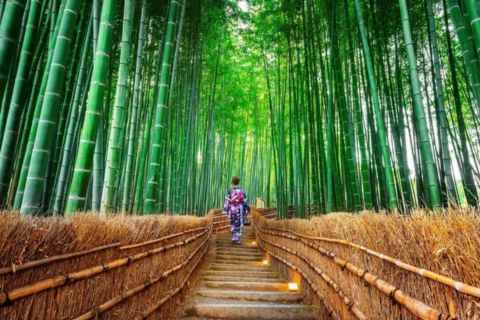
7. Kyoto’s Bamboo Forest Sounds Like a Dream
The Arashiyama Bamboo Grove is not just visually stunning—it’s also recognized by Japan’s Ministry of the Environment as one of the “100 Soundscapes of Japan” for its whispering bamboo sounds.
8. Kyoto Is Home to a “Nightingale Floor”
At Nijo Castle, the wooden floors were designed to chirp like nightingales when walked upon—an ingenious security feature that warned samurai of intruders.
9. It Hosts One of the World’s Oldest Festivals
The Aoi Matsuri, dating back over 1,400 years, is one of Kyoto’s grandest processions. Participants don traditional Heian-era costumes, honoring the city’s ancient roots.
10. Kyoto Cuisine Is a Culinary Art Form
Kyoto is famous for Kaiseki Ryori, Japan’s haute cuisine. Each dish is crafted with seasonal ingredients, served in elegant, minimalist presentations that reflect nature’s beauty.
11. It Has 17 UNESCO World Heritage Sites
Few cities in the world boast such cultural wealth—Kyoto is home to 17 UNESCO World Heritage Sites, including temples, shrines, and castles that define Japanese heritage.
12. The Philosopher’s Path Is a Walk Through Enlightenment
This tranquil stone path, lined with cherry blossoms, was once walked daily by Nishida Kitaro, one of Japan’s most influential philosophers. It’s a place for reflection and peace.
13. Kyoto’s Dialect Is Unique and Elegant
Locals speak Kyoto-ben, a dialect known for its soft, melodic tones and refined expressions—considered more graceful compared to Tokyo’s brisk speech.
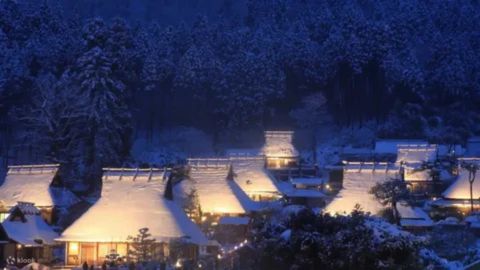
14. Kyoto Has Its Own “Snow Festival”
While Hokkaido’s snow sculptures are famous, Kyoto’s snow-covered temples like Kinkaku-ji create an ethereal beauty that draws photographers from around the world every winter.
15. Technology and Tradition Coexist in Harmony
Despite its ancient charm, Kyoto embraces modernity. It’s home to high-tech companies like Nintendo and Kyocera, proving that tradition and innovation can beautifully coexist.
FAQs About Kyoto
1. What is Kyoto best known for?
Kyoto is best known for its temples, shrines, cherry blossoms, geisha culture, and preserved traditional architecture.
2. When is the best time to visit Kyoto?
The best times are spring (March–April) for cherry blossoms and autumn (October–November) for fiery foliage.
3. Is Kyoto expensive to visit?
Kyoto can be affordable if you stay in guesthouses or travel during off-peak seasons. Local street food and transport are reasonably priced.
4. What food is Kyoto famous for?
Kyoto is known for Kaiseki, Yuba (tofu skin), Matcha desserts, and Shojin Ryori (Buddhist vegetarian cuisine).
5. How long should you stay in Kyoto?
A 3–5 day stay allows visitors to explore temples, districts, and nearby attractions at a comfortable pace.
6. Can you see real geisha in Kyoto?
Yes! Visit Gion or attend a tea house performance to witness authentic geisha culture.
Curious by nature, storyteller by choice. I run Interesting Facts to bring you mind-blowing stories, hidden truths, and fascinating insights from around the globe. If it makes you say “Wow, I never knew that!”—my job is done.
Laiba Hanif is a professional fact-finder and the writer behind “Interesting Facts.” Fueled by a degree in Anthropology and over five years of experience unearthing hidden truths, she specializes in digging up the most bizarre, fascinating, and mind-bending tidbits the world has to offer. She’s here to prove that reality is stranger—and more amazing—than fiction.