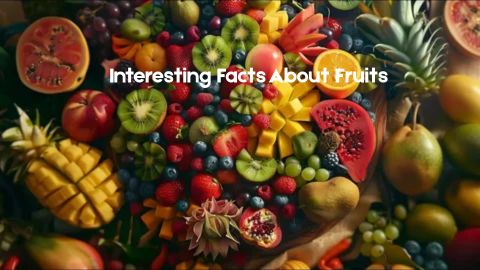
Oranges are one of the world’s most beloved fruits, enjoyed for their sweetness, juiciness, and health benefits. But beyond being a refreshing snack, oranges hide fascinating secrets you probably never knew. Let’s peel interesting facts about oranges.
Quick Facts About Oranges:
| Attribute | Details |
|---|---|
| Scientific Name | Citrus × sinensis |
| Family | Rutaceae |
| Class | Magnoliopsida |
| Origin | Southeast Asia |
| Major Producers | Brazil, USA, India, China |
20 Interesting Facts About Oranges
1. The word “orange” has no true rhyme in English—poets often call it the hardest word to rhyme.
Oranges float in water due to air pockets in the peel.
2. Orange peels glow under UV light—thanks to natural oils that fluoresce.
3. Orange oil is flammable and is sometimes used as an eco-friendly fuel or solvent.
4. The heaviest orange ever recorded weighed over 10 pounds (4.5 kg)—grown in Brazil and recognized by Guinness World Records.
5. Orange wine exists—not made from oranges, but from white grapes fermented with skins, giving a deep amber-orange color.
The U.S. drinks the most orange juice per capita.
6. In ancient China, oranges were used as medicine—prescribed for digestion and cough relief.
7. Orange trees can produce up to 60,000 flowers in a season, though less than 1% become fruit.
8. Orange juice was once advertised as a “health drink for astronauts” during the space race.
9. Oranges were brought to the Americas by Christopher Columbus in the late 1400s.
10.The fruit gave the color its name—not the other way around. Before oranges became widely known, the shade was described as “yellow-red” or the Old English word “geoluhread.”
Oranges help the body absorb iron better.
11. Orange zest is packed with more nutrients than the flesh—including fiber, antioxidants, and essential oils.
12. Oranges are technically a type of berry—botanists classify them as “hesperidia,” a special kind of berry with a tough rind.
13. Oranges can be green when ripe—in tropical climates chlorophyll may remain, and the peel stays green even when the fruit is ready.
14. Brazil is the world’s largest orange producer—supplying a large share of global orange juice and fruit.
15. The distinctive red color of blood oranges is due to a pigment called anthocyanin, the same pigment found in red grapes and berries, which develops best with cool night temperatures.

Spain hosts an annual orange-throwing festival.
16. In some languages, the word for orange literally translates to “Chinese apple,” reflecting its origin.
17. An orange tree needs an average of around 14 to 40 gallons of water to grow a single orange.
18. An orange tree can live for over 100 years if cared for properly.
19. The world drinks more orange juice than any other fruit juice—especially at breakfast.
Oranges are a natural hybrid of pomelo and mandarin.
20. One medium orange provides more vitamin C than your daily requirement—helping boost your immune system.
| Nutrient | Amount | % Daily Value* |
|---|---|---|
| Calories | 62 kcal | 3% |
| Carbohydrates | 15.4 g | 5% |
| Dietary Fiber | 3.1 g | 11% |
| Sugars | 12 g | – |
| Protein | 1.2 g | 2% |
| Fat | 0.2 g | <1% |
| Vitamin C | 70 mg | 117% |
| Folate (B9) | 40 mcg | 10% |
| Potassium | 237 mg | 7% |
| Calcium | 52 mg | 5% |
| Magnesium | 13 mg | 3% |
FAQs
1. Are oranges originally from Florida?
No, they originated in Southeast Asia but became popular in Florida due to the climate.
2. What makes blood oranges red?
Anthocyanins, a natural pigment, give blood oranges their deep red hue.
3. Are orange peels edible?
Yes, but they’re bitter—often candied or used as zest.
4. Do oranges lose vitamin C after juicing?
Yes, freshly squeezed juice should be consumed quickly for maximum benefits.
5. How many types of oranges exist?
There are over 600 varieties worldwide, with navel, Valencia, and blood oranges being the most popular.

Curious by nature, storyteller by choice. I run Interesting Facts to bring you mind-blowing stories, hidden truths, and fascinating insights from around the globe. If it makes you say “Wow, I never knew that!”—my job is done.
Laiba Hanif is a professional fact-finder and the writer behind “Interesting Facts.” Fueled by a degree in Anthropology and over five years of experience unearthing hidden truths, she specializes in digging up the most bizarre, fascinating, and mind-bending tidbits the world has to offer. She’s here to prove that reality is stranger—and more amazing—than fiction.