Pasta, a global food icon, has a history and lore as rich and varied as its many shapes. Whether you love spaghetti, ravioli, or penne, one thing’s clear—pasta is more than food; it’s a global phenomenon blending history, culture, and flavor in every bite. Let’s enjoy facts about pasta…..
The Timeless Allure of Pasta
Pasta isn’t just a delicious comfort food—it’s a fascinating culinary creation with a rich history and cultural depth that spans centuries. Here are 25 unique and enticing facts about pasta that’ll make you see your favorite spaghetti, penne, and fettuccine in a whole new light!
25 Delicious Facts About Pasta
Here are 25 unique, attention-grabbing, and interesting facts about pasta—the beloved dish:
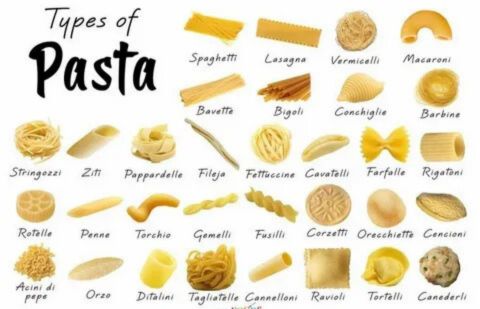
1. More Than Meets the Eye: There are over 600 distinct pasta shapes produced worldwide and over 1,300 documented names for them.
2. Marco Polo is a Myth: Contrary to the popular tale, Marco Polo did not introduce pasta to Italy in the 13th century; evidence suggests it was already being consumed by the Etruscans and Romans centuries earlier.
3. Ancient Chinese Roots: The oldest noodle discovery dates back 4,000 years to the Neolithic site of Lajia in China, showing pasta’s deep historical link to Asian noodles.
4. A Star in the Sky: In Italy, pasta names are often evocative. For instance, Stelline means “little stars.”
5. A Naming Problem: The word “vermicelli” literally translates to “little worms” in Italian, which is why when it arrived in the US, the term “spaghetti” (thin strings) became the preferred name for long pasta.
6. Royal Sweet Tooth: During the 13th century, Holy Roman Emperor Frederick II enjoyed his pasta with sugar and spices, serving it as a dessert, not a savory main course.
7. Tomato-less Past: The earliest pasta recipes were eaten plain, with soft cheese, or even with sugar and cinnamon. The first written reference to pasta with tomato sauce only dates to 1790.
8. The Lagane Ancestor: The Roman dish lagane, a sheet of dough mentioned in the 1st century, is considered an ancestor of modern-day lasagna.
9. Pasta by Foot: In 19th-century Naples, pasta dough was sometimes kneaded by foot until King Ferdinand II, concerned with hygiene, commissioned the first mechanized bronze-blade kneading machine.
10. The Pope’s Quality Control: In the 13th century, the Pope himself established official quality standards for pasta ingredients.
11. An Edible Navel: Legend says that tortellini was inspired by the navel of the goddess Venus, which its ring shape is said to resemble.
12. Healthier Bite: Cooking pasta “al dente” (to the tooth) is not just for taste; it is easier to digest and has a lower glycemic index.
13. The “Pasta Rule”: For perfectly cooked pasta, follow the Italian “Pasta Rule” ratio: 1-10-100 (1 liter of water, 10 grams of salt, 100 grams of pasta).
14. The Longest Strand: The Guinness World Record for the longest single strand of spaghetti measured a staggering 10,776 feet (3,284 meters)!
15. Pasta Made of Radiators: The unusual Radiatori pasta shape was specifically invented in the 1930s to look like a small radiator and help sauce cling.
16. No Spoons for Italians: Italians generally only use a fork to eat spaghetti, twirling it against the side of the bowl or plate—using a spoon is an American habit.
17. The Happiness Hormone: The carbohydrates in pasta have been scientifically shown to increase the production of serotonin, a neurotransmitter linked to feelings of well-being and happiness.
18. A Luxury Item: Before the Industrial Revolution, pasta was a labor-intensive luxury item in Italy, too expensive for the common person.
19. China is a Top Producer: While Italy is famous for it, China is now one of the world’s largest producers of dried pasta.
20. Thomas Jefferson, Pasta Fan: US President Thomas Jefferson is credited with helping popularize macaroni in the United States after buying a pasta-making machine in Paris.
21. Chicken Allowed: Authentic Italian pasta dishes rarely contain chicken. The combination is considered non-traditional, often due to historical class distinctions related to poultry.
22. Colorful Clues: Naturally colored pasta gets its hue from ingredients: green from spinach, red from tomato, and black from squid ink.
23. Unexpected Consumption: After Italy, the countries with the highest per capita pasta consumption are Tunisia and Venezuela.
24. World Pasta Day: The world celebrates its love for pasta every year on October 25th.
25. The Museo Nazionale della Pasta: There is a National Pasta Museum in Rome, Italy, dedicated to the history and culture of this iconic food.


Curious by nature, storyteller by choice. I run Interesting Facts to bring you mind-blowing stories, hidden truths, and fascinating insights from around the globe. If it makes you say “Wow, I never knew that!”—my job is done.
Laiba Hanif is a professional fact-finder and the writer behind “Interesting Facts.” Fueled by a degree in Anthropology and over five years of experience unearthing hidden truths, she specializes in digging up the most bizarre, fascinating, and mind-bending tidbits the world has to offer. She’s here to prove that reality is stranger—and more amazing—than fiction.