Cakes are more than just desserts—they’re tiny masterpieces that bring joy to birthdays, weddings, and every sweet celebration in between. From ancient honey loaves to multi-tiered masterpieces covered in fondant and gold, cakes have an incredible history filled with fascinating twists.
12 Interesting Facts About Cakes
From ancient recipes to modern baking wonders, here are 12 unique and fascinating facts about cakes that’ll make your next bite even sweeter!
1. Cheesecake Isn’t Actually a Cake
It’s technically a custard pie. Because it relies on eggs and a dairy filling with a crust (often without flour), food historians classify it as a pie or tart, with roots dating back to ancient Greece, where it was served to Olympic athletes for energy.
The word “cake” comes from the Old Norse term “kake,” which literally meant a baked flour-based food.
2. The First Chocolate Cakes Weren’t Sweet
Early chocolate cakes were closer to a spicy or bitter bread infused with cocoa. Sweet chocolate cakes only came into being after refined sugar became widely available and affordable.
3. “Royal Icing” Has Literal Royal Roots
The term was coined after Queen Victoria’s 1840 wedding cake, which was the first to use a pure white, hard-drying sugar icing, setting a regal standard for decades to come.
4. The World’s Most Expensive Cake Cost $75 Million
Created by a British designer, this cake was designed to look like a fashion runway and was adorned with over 4,000 diamonds, making it an astonishingly lavish, inedible masterpiece.
5. Red Velvet Cake’s Color Was an Accident
The iconic red hue wasn’t originally from food coloring. It was a result of a chemical reaction between the acidic ingredients (like buttermilk or vinegar) and the cocoa powder, which gave the cake a reddish-brown tint.
6. Birthday Candles Started as an Offering to a Goddess
The ancient Greeks baked round, honey-sweetened cakes to honor Artemis, the goddess of the moon. Candles were lit on top to symbolize the moon’s glowing light, and the smoke was believed to carry prayers and wishes to the heavens.
From National Chocolate Cake Day (January 27) to National Cheesecake Day (July 30)—there’s always a reason to celebrate cake!
7. The World’s Largest Cake Weighed Over 50,000 Pounds
Created in 1989 in Alabama, USA, the record-breaking cake was baked for the state’s 14th birthday and fed thousands of people.
8. The First Birthday Cake Was Made in Germany
The Kinderfest tradition in 18th-century Germany introduced birthday cakes topped with candles—one for each year of life.
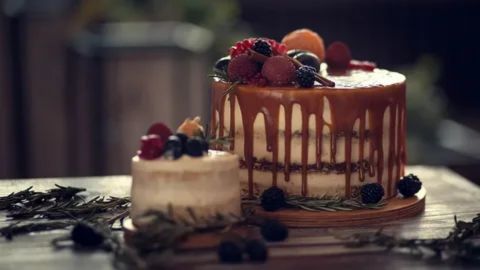
9. The Most Expensive Cake Ever Made Cost $75 Million
This diamond-studded masterpiece by Debbie Wingham featured edible gold, hand-sculpted figurines, and 4,000 real diamonds!
10. The Tallest Cake Ever Made Was 108 Feet High
Built in Jakarta, Indonesia, the sky-high cake broke records with over 20 tiers of sugary perfection.
There’s a “Cake World Cup”: Professional pastry chefs and cake decorators compete in the prestigious “Coupe du Monde de la Pâtisserie” (World Pastry Cup) in Lyon, France, showcasing incredible edible artistry.
11. Cake Used to Be Broken Over the Bride’s Head
In ancient Roman marriage ceremonies, cakes made of wheat or barley were broken over the bride’s head to ensure good fortune and fertility for the couple.
12. The Oldest Preserved Wedding Cake is Over 120 Years Old
A slice of wedding cake baked in 1898 is preserved and displayed in a museum in England, serving as a very hard, century-old testament to tradition.

Curious by nature, storyteller by choice. I run Interesting Facts to bring you mind-blowing stories, hidden truths, and fascinating insights from around the globe. If it makes you say “Wow, I never knew that!”—my job is done.
Laiba Hanif is a professional fact-finder and the writer behind “Interesting Facts.” Fueled by a degree in Anthropology and over five years of experience unearthing hidden truths, she specializes in digging up the most bizarre, fascinating, and mind-bending tidbits the world has to offer. She’s here to prove that reality is stranger—and more amazing—than fiction.