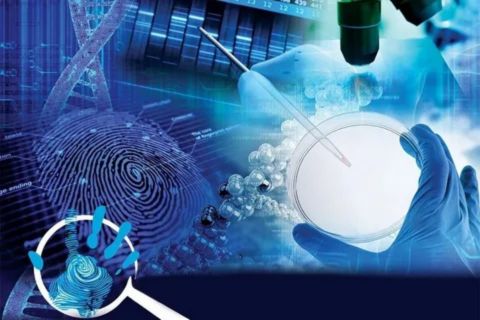
Forensic science is far more than lab coats and microscopes—it’s a living, evolving field that uncovers truth in ways we once believed impossible. These 15 Interesting Facts About Forensic Science show just how brilliant, surprising, and essential this discipline is. Whether it’s a tiny insect, a strand of hair, or a digital breadcrumb, every clue has power—and forensic science turns that power into justice.
Welcome to the Fascinating World of Forensics
If you’ve ever watched a crime show and wondered how investigators jump from a single clue to a solid lead, forensic science is the reason. From analyzing a strand of hair to decoding digital footprints, this field blends logic, technology, and intuition in a way that keeps both scientists and the public endlessly intrigued.
1: Forensics Has Ancient Origins
Although forensics feels modern, it dates back to ancient China. One of the earliest recorded forensic cases appears in a 13th-century Chinese text called The Washing Away of Wrongs, where investigators used simple experiments to solve crimes. Early forensics wasn’t high-tech—but it was surprisingly clever.
2: Fingerprints Are Nature’s Personal Barcodes
No two people share the same fingerprints—not even identical twins. Your fingerprint patterns are formed before birth, influenced by small movements in the womb. They stay the same for life, making them the world’s most reliable natural ID system.
3: DNA Evidence Was a Game-Changer
DNA profiling burst onto the forensic scene in the 1980s and immediately revolutionized criminal justice. A microscopic amount of bodily fluid—so tiny you might not even see it—can now help identify or clear a suspect with remarkable accuracy.
4: Bugs Can Tell Investigators the Time of Death
Forensic entomologists (yes, bug scientists!) study insect activity on human remains. Different species appear at different stages of decomposition, meaning bugs can act like natural clocks. It’s a little eerie—but unbelievably effective.
5: Ballistic Marks Are Like Weapon Signatures
When a gun fires, the barrel leaves microscopic scratches on the bullet. These scratches form a pattern as unique as a fingerprint. By analyzing them, forensic experts can figure out exactly which weapon a bullet came from.
6: Teeth Tell Stories Bones Can’t
Teeth are incredibly durable—outlasting fire, moisture, and decay. Forensic odontologists use dental records to identify victims when other methods fail. Your teeth, fillings, and bite patterns act almost like biological data files.
7: Bloodstain Patterns Reveal Hidden Movements
The shape, angle, and distribution of bloodstains help investigators reconstruct events. A fine mist suggests high velocity (like a gunshot), while long streaks may show the direction someone moved. Blood really does “tell a story.”
8: Toxicology Uncovers Invisible Killers
Poisons don’t always leave obvious clues. Forensic toxicologists analyze blood, urine, and tissue samples to detect hidden toxins—everything from drugs to heavy metals. Many mysterious deaths are solved this way.
9: Digital Footprints Never Disappear Completely
In today’s tech-driven world, cyber forensics is crucial. Deleted messages, browser history, GPS data, and even metadata on photos can point investigators toward the truth. Online actions may feel invisible—but they leave a trail.
10: Faces Can Be Reconstructed from Skulls
Forensic artists use measurements, muscle-depth charts, and artistic skill to rebuild human faces from bare skulls. Their reconstructions help identify unknown victims and breathe humanity back into cold cases.
11: Soil and Pollen Can Place a Suspect at the Scene
Believe it or not, tiny grains of pollen and specks of soil can reveal where someone has been. Different locations have unique mixes of minerals and plants, acting like geographic fingerprints.
12: Words Can Be Analyzed Like Evidence
Forensic linguists study writing and speech patterns to determine authorship or find hidden meanings. They can identify whether two messages come from the same person—even when the author tries to disguise their style.
13: Profiling Helps Decode Criminal Minds
Forensic psychologists build profiles based on behavior, habits, and personality traits. Profiling isn’t about guesswork—it’s about analyzing patterns to narrow down the type of person investigators should look for.
14: Audio Forensics Retrieves the Truth
Even the faintest recording can be enhanced using special software. Audio experts can remove background noise, clarify whispered words, and authenticate recordings to help reveal what really happened.
15: Forensic Science Evolves with Every New Technology
Forensic science never stands still. From AI-assisted crime scene reconstruction to digital forensics tools that analyze terabytes of data, new technologies are making investigations faster and more accurate than ever.

Curious by nature, storyteller by choice. I run Interesting Facts to bring you mind-blowing stories, hidden truths, and fascinating insights from around the globe. If it makes you say “Wow, I never knew that!”—my job is done.
Laiba Hanif is a professional fact-finder and the writer behind “Interesting Facts.” Fueled by a degree in Anthropology and over five years of experience unearthing hidden truths, she specializes in digging up the most bizarre, fascinating, and mind-bending tidbits the world has to offer. She’s here to prove that reality is stranger—and more amazing—than fiction.