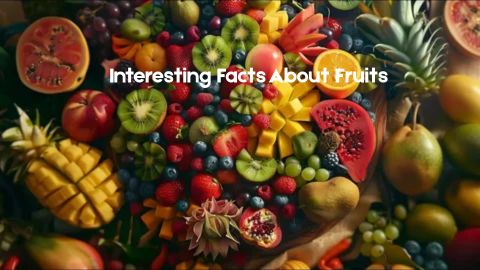
From the perfectly polished apple on your counter to the exotic mango in your smoothie, fruit is a staple of life. Yet, what we call a “fruit” in the grocery store often defies its scientific definition, and the stories behind these natural candies are far stranger than you might expect.
If you thought you knew everything about your five-a-day, prepare to be surprised. We’ve moved past the obvious facts to uncover the deep-dive science, bizarre botany, and unexpected history behind everyday and exotic produce.
These interesting facts about fruits will make you look at your next snack in a completely different light.
Top 5 Quick Facts About Fruits
- The Banana Identity Crisis: Botanically, the banana is a berry, while the strawberry is not.
- Pineapples Take Years: A single pineapple plant requires over two years to produce one fully mature fruit.
- Apples Float: Apples are 25% air, which is why they float—a necessary defense mechanism for surviving flash floods and spreading seeds.
- Avocados Are Poisonous to Birds: The compound persin in avocados is mildly toxic to most birds and animals, making them an exclusive human indulgence.
- Tomatoes Are the Most Popular: Tomatoes are the world’s most popular fruit (yes, they are a fruit!), with over 10,000 known varieties.
Decoding Fruit Anatomy: 20 Mind-Bending Facts About Fruits
1. Bananas and Tomatoes are Berries (But Strawberries Aren’t)
In botanical terms, a berry is a fruit produced from a single ovary, with a soft fleshy body and seeds embedded within the flesh.
- True Berries: Bananas, tomatoes, grapes, and even bell peppers fit this definition.
- False Fruits (Accessory Fruits): Strawberries, figs, and pineapples are formed from the fusion of the ovary wall and other flower parts, not just the ovary. What we eat on a strawberry is the swollen receptacle tissue.
2. The Avocado: A Single-Seed Giant Berry
The avocado is botanically classified as a single-seeded berry. Its scientific name, Persea americana, is believed to derive from the Aztec word for “testicle” (āhuacatl), referencing its shape and growth pattern.
3. Ripening is a Chemical Conversation
Many fruits, including apples, bananas, and avocados, are climacteric—they ripen after harvest. This process is triggered by ethylene gas, a naturally produced plant hormone. Placing an apple next to an unripe avocado speeds up the process because the apple releases ethylene, forcing the avocado to ripen.
A fig is not technically a fruit; it is an inverted flower cluster, or inflorescence, called a syconium.
4. Grapes Explode in the Microwave
It’s a popular (and dangerous) science experiment: cutting a grape in half and microwaving it produces plasma. The watery structure of the grape, combined with the small bridge created by the skin, concentrates the electromagnetic energy, creating a small ball of fire, or plasma.
5. Kiwi is a Natural Meat Tenderizer
Kiwis, pineapples, and papayas contain powerful enzymes: actinidin (kiwi), bromelain (pineapple), and papain (papaya). These enzymes break down protein fibers, which is why eating kiwi and pineapple can sometimes make your tongue feel prickly or sore. This also means you can tenderize a tough steak simply by rubbing it with kiwi pulp.
6. The “Miracle Berry” Changes Your Taste Buds
The aptly named Synsepalum dulcificum contains the protein miraculin. When eaten, miraculin binds to the tongue’s sweet receptors and makes sour foods taste intensely sweet. Eating a lemon after consuming a miracle berry will taste like lemonade.
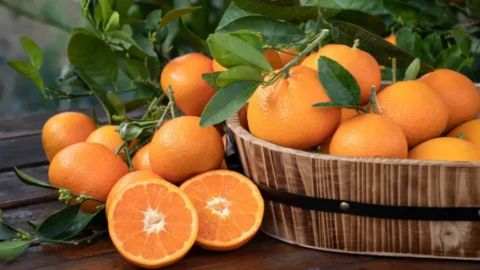
The refreshing scent of oranges, lemons, and limes comes primarily from a chemical compound called limonene (a terpene)
7. Raspberries and Blackberries are Hollow “Druplets”
Raspberries and blackberries are not true berries; they are aggregate fruits. They are clusters of tiny, individual fruits called drupelets that grew from separate ovaries of a single flower. This is why a raspberry has a hollow core—it breaks away cleanly from its central receptacle.
8. Pomegranates Can Contain 1,000 Seeds
While the number varies, a pomegranate (Punica granatum) is known to contain hundreds of seeds, often cited as approaching 1,000. In many cultures, the pomegranate symbolizes fertility, abundance, and prosperity due to its seed density.
9. The World’s Heaviest Fruits
While the largest edible fruit is the Atlantic Giant Pumpkin (which holds the record for over 2,700 pounds), the world’s heaviest non-squash fruit is the Jackfruit. This immense, spiky fruit can weigh up to 120 pounds and is native to South Asia.
The heaviest watermelon ever recorded weighed an incredible 350.5 pounds. This giant fruit was grown in Tennessee and holds the world record for its jaw-dropping size.
10. The Lemon Was Once Used For Perfume
The Romans were the first to cultivate the lemon, but initially, they used the fruit exclusively as an ornamental plant, a repellent for moths, and a refreshing scent. They did not begin using it in food until the later Imperial period.
11. Cherries, Almonds, and Apples are All Related
The family Rosaceae—the rose family—is a massive group that includes some of the world’s most common and beloved fruits, including apples, pears, peaches, plums, almonds, and, yes, cherries.
12. Coconut is a “Drupe” (Not a Nut)
Despite its common name, the coconut is technically a fibrous drupe, which is a fruit with a hard, woody outer layer (like a peach or a plum). The classification of “nut” is primarily a culinary, not a botanical, designation.
The cashew “nut” actually grows out of the bottom of a separate, pear-shaped fruit called the cashew apple. The cashew apple is edible (and highly perishable), but the nut grows outside the fruit wall
13. Blue Fruits Are Extremely Rare in Nature
Have you ever noticed how few truly blue fruits exist? Blueberries are one of the rare few, but they’re not actually blue—they only appear blue because of light refraction. Fruits rarely contain blue pigments because they’re difficult for plants to produce chemically.
14. Fruit That Smells Terrible but Tastes Sweet
The award for the most controversial fruit goes to the durian. Known as the “king of fruits” in Southeast Asia, durian has a strong smell—so strong that it’s banned from hotels, airports, and public transportation in several countries. But once you get past the odor, its creamy, custard-like flavor is surprisingly sweet and beloved by locals.
15. Fruits That Ripen Faster When Placed Together
Some fruits release a natural gas called ethylene, which speeds up ripening. Bananas, avocados, apples, and pears are the biggest ethylene producers. If you want to ripen a hard avocado quickly, place it next to a banana—nature will do the rest!
16. Some Fruits Are Classified as Vegetables
It might surprise you, but many foods we call vegetables are actually fruits—at least botanically. Tomatoes, bell peppers, eggplants, and even cucumbers grow from flowers and contain seeds, which makes them fruits, not vegetables. The reason we treat them differently is due to their savory flavor profiles, which shift them into vegetable territory in the culinary world.
Japan is known for its luxury fruit culture, and the Yubari King Melon takes the crown. A pair of these perfectly sweet cantaloupes once sold for over $20,000 at auction.
FAQs About Interesting Facts About Fruits
1. Why are some fruits sweet while others are sour?
It depends on the balance of natural sugars and organic acids produced during ripening.
2. What is the rarest fruit in the world?
The African miracle berry and the Australian rainforest’s Davidson plum are considered extremely rare.
3. Do fruits have more nutrients when eaten fresh?
Yes—fresh fruits typically maintain the highest vitamin and antioxidant levels.
4. Are seedless fruits genetically modified?
Not always. Many seedless fruits are created through natural hybridization.
5. Why do some fruits bruise so easily?
Soft fruits like peaches and berries have delicate skin with thin cell walls.
6. What fruit has the longest shelf life?
Unripe coconuts and pumpkins can last several months if stored properly.

Curious by nature, storyteller by choice. I run Interesting Facts to bring you mind-blowing stories, hidden truths, and fascinating insights from around the globe. If it makes you say “Wow, I never knew that!”—my job is done.
Laiba Hanif is a professional fact-finder and the writer behind “Interesting Facts.” Fueled by a degree in Anthropology and over five years of experience unearthing hidden truths, she specializes in digging up the most bizarre, fascinating, and mind-bending tidbits the world has to offer. She’s here to prove that reality is stranger—and more amazing—than fiction.