
Cold. Quiet. Ordinary.
That’s how most people describe January—but the truth is far more intriguing.
January is a month of ancient gods, psychological resets, hidden traditions, surprising science, and powerful symbolism. It quietly shapes habits, decisions, and even destinies more than any other month on the calendar.
If you think January is boring, these 26 interesting facts about January will prove otherwise—and may even make it your favorite month of the year.
Quick Facts About January
| Aspect | Details |
|---|---|
| Month Name | January |
| Named After | Janus, Roman god of beginnings |
| Position in Year | 1st month |
| Season (Northern Hemisphere) | Winter |
| Birthstone | Garnet |
| Birth Flower | Carnation & Snowdrop |
| Zodiac Signs | Capricorn & Aquarius |
| Full Moon Name | Wolf Moon |
| Common Theme | New beginnings & reflection |
| Fun Fact | Coldest month in most regions |
26 Interesting Facts About January That Will Make You See the Month Differently
1. January Is Named After a God Who Looked Both Forward and Backward
January gets its name from Janus, the Roman god of beginnings, endings, and transitions. Janus had two faces—one facing the past and one facing the future—making January the ultimate symbol of reflection and renewal.
2. January Didn’t Always Come First
In the earliest Roman calendar, January didn’t exist at all. When it was later added, it became the 11th month, not the first. January only became the official start of the year in 153 BCE.
3. January Creates the Strongest “Fresh Start Effect”
Psychologists identify January as the most powerful month for behavior change due to the fresh start effect, a mental reset that motivates people to set goals, change habits, and try again.
4. The Meaning of January Literally Translates to “Door”
The Latin word ianua means doorway, reinforcing January’s symbolic role as the gateway between one year and the next.
5. More Life Decisions Are Made in January Than Any Other Month
From career changes to health commitments, January sees the highest volume of long-term decision-making, driven by reflection and goal-setting.
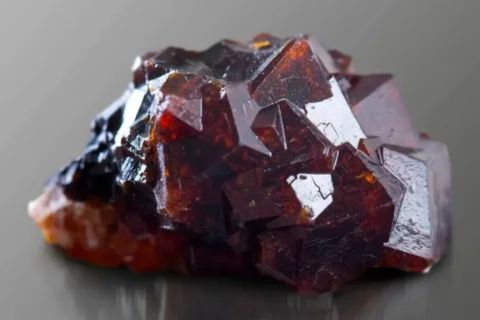
6. Garnet, January’s Birthstone, Was Once Used as Protection
January’s birthstone, garnet, was believed to protect travelers during harsh winters. Ancient warriors even wore it into battle for strength and survival.
7. January Is National Soup Month for a Reason
January is officially National Soup Month in the U.S.—a celebration rooted in winter survival, comfort, and nutrition during the coldest days of the year.
8. January Has the Highest Rate of Emotional Reset
Therapists report that January brings an increase in self-awareness and emotional evaluation, often referred to as post-holiday clarity.
9. January Is Colder Than December in Most Places
Despite winter beginning in December, January is statistically the coldest month across much of the Northern Hemisphere due to delayed atmospheric cooling.
10. January’s Full Moon Is Called the Wolf Moon
The Wolf Moon, January’s first full moon, was named after wolves howling near villages during winter scarcity—a haunting reminder of survival instincts.
11. Polar Bear Cubs Are Born in January
In the Arctic, January marks the birth of polar bear cubs, making it one of the most important months for the species’ survival.

12. January Is Known as “Divorce Month”
Divorce filings peak in January as couples postpone major decisions during the holidays and act once the new year begins.
13. January Is the Most Strategic Planning Month
Studies show people create more realistic and actionable plans in January compared to other months driven by impulse or emotion.
14. January Hosts More Awareness Campaigns Than Any Other Month
From mental health and financial literacy to environmental awareness, January leads the calendar in global educational campaigns.
15. January Is One of the Best Months for Stargazing
Cold winter air reduces atmospheric distortion, making January ideal for viewing Orion, Sirius, Taurus, and Gemini.
16. New Year’s Resolutions Are Over 4,000 Years Old
The ancient Babylonians made promises to their gods at the start of each year—making January resolutions a tradition that predates modern civilization.
17. Retail Returns Peak in January
January sees the highest number of product returns, reflecting post-holiday reflection and shifting priorities.
18. January Is a Month of Renewal Across Cultures
Even cultures that don’t follow the Gregorian calendar observe renewal rituals in January, emphasizing purification and new beginnings.
19. Creativity Often Peaks in January
Writers and creatives report increased productivity in January due to fewer distractions and a quieter mental environment.
20. January Has More International Observance Days Than December
Despite December’s holidays, January contains more UN-recognized global observances focused on progress and awareness.
21. January-Born People Are Overrepresented in Leadership Roles
Research suggests people born in January are statistically more likely to hold leadership positions, partly due to school-age cutoff advantages.
22. January Is the Least Popular Month for Weddings
Cold weather, financial recovery, and short daylight hours make January the least chosen month for weddings worldwide.
23. Animals Change Survival Patterns in January
Many species alter feeding, sleep, and migration behaviors in January, making it a crucial survival month in the animal kingdom.
24. January Is the Quietest Month for Global Travel
Lower demand makes January one of the best months for affordable travel and less crowded destinations.
25. January Birthdays Symbolize Strength in Some Cultures
In several cultures, January births are associated with resilience, endurance, and longevity, reflecting winter survival symbolism.
26. January Is the Only Month That Balances Rest and Reinvention
Unlike any other month, January uniquely encourages reflection and ambition at the same time, making it emotionally and psychologically powerful.
January Is Quiet—but It’s Not Ordinary
January isn’t loud or flashy—but it’s influential. It shapes habits, decisions, emotions, and goals that echo throughout the entire year. Beneath the cold lies a month rich in meaning, history, and transformation.
The next time January feels slow, remember—it’s not empty. It’s intentional.
FAQs
Why is January the first month?
It was added to the Roman calendar around 700 BCE to align with the lunar year. It eventually became the start of the year because it was when new Roman government leaders (consuls) took office.
What is the spiritual meaning of January?
It represents transition and thresholds. Named after Janus, the two-faced god, it symbolizes the ability to look back at the past while simultaneously looking forward to the future.
Is January the coldest month?
In the Northern Hemisphere, yes. Even though the days are getting longer, “seasonal lag” causes the Earth to continue losing heat. Interestingly, Earth is actually at its closest point to the sun (perihelion) in early January; the cold is caused by the Earth’s tilt, not its distance.
What are the January birth symbols?
| Symbol | Value |
| Birthstone | Garnet (Trust & Protection) |
| Flowers | Carnation & Snowdrop (Love & Hope) |
| Zodiac | Capricorn (until Jan 19) / Aquarius (Jan 20+) |
What is “Quitter’s Day”?
The second Friday in January is statistically the day most people abandon their New Year’s resolutions. This usually happens because goals were too ambitious or lacked a concrete plan.
What is Dry January?
It is a 31-day health challenge to abstain from alcohol. While it started as a UK public health campaign in 2013, it is now a global movement to “reset” the body after the holiday season.
Is January 1st a common birthday?
No. It is actually one of the rarest birthdays because hospitals rarely schedule elective C-sections or inductions on a major public holiday.

Curious by nature, storyteller by choice. I run Interesting Facts to bring you mind-blowing stories, hidden truths, and fascinating insights from around the globe. If it makes you say “Wow, I never knew that!”—my job is done.
Laiba Hanif is a professional fact-finder and the writer behind “Interesting Facts.” Fueled by a degree in Anthropology and over five years of experience unearthing hidden truths, she specializes in digging up the most bizarre, fascinating, and mind-bending tidbits the world has to offer. She’s here to prove that reality is stranger—and more amazing—than fiction.