Bangladesh is often called the “Land of Rivers,” but there’s so much more to this small yet vibrant country. From the world’s longest natural beach to unique floating farms, Bangladesh surprises visitors at every turn. In this article, we’ll uncover 10 interesting facts about Bangladesh that reveal its culture, nature, and everyday life.
Bangladesh at a Glance
Before we discuss the 10 interesting facts about Bangladesh, here are some quick details that give you a snapshot of the country. These numbers highlight why Bangladesh is so unique in the world—densely populated, rich in language, and full of cultural energy.
Quick Facts About Bangladesh
| Capital city | Dhaka |
| Population (estimated) | ~175.7 million |
| Urban Population | ~42.6% (≈74.8 million) |
| Population Density | ~1,350 people per km² |
| Literacy Rate | 74.7% overall (Male: 76.6%, Female: 72.8%) |
| Religion | Muslims: 91.0%, Hindus: 8.0%, Buddhists: 0.6%, Christians: 0.3%, Others: 0.1% |
| Official Language | Bengali (Bangla) |
1) One of the World’s Most Densely Populated Countries
One of the most interesting facts about Bangladesh is its population density. With around 175 million people living in just 147,570 square kilometers, it is one of the most crowded countries on Earth.
Cities like Dhaka are growing so fast that they have become megacities almost overnight. This high Bangladesh population density creates challenges in housing, transport, and jobs.
Yet, it also gives the nation a very young and energetic workforce, making Bangladesh one of the most dynamic countries in Asia today.
2) Taste of Bangladesh—Hilsa, Bhorta & Sweets
Food is at the heart of daily life, and one of the most delicious interesting facts about Bangladesh is its love for “Hilsa fish.” Known as the national fish of Bangladesh, Hilsa is often cooked with mustard and eaten during festivals.
Everyday meals often include Bhorta—mashed vegetables, lentils, or fish mixed with chili, onion, and mustard oil.
For dessert, people enjoy Mishti Doi (sweet yogurt), Rasgulla, and Sandesh. These traditional Bengali dishes are more than just food; they are a taste of heritage and family traditions passed through generations.

3) Cox’s Bazar—One of the Longest Natural Sea Beaches
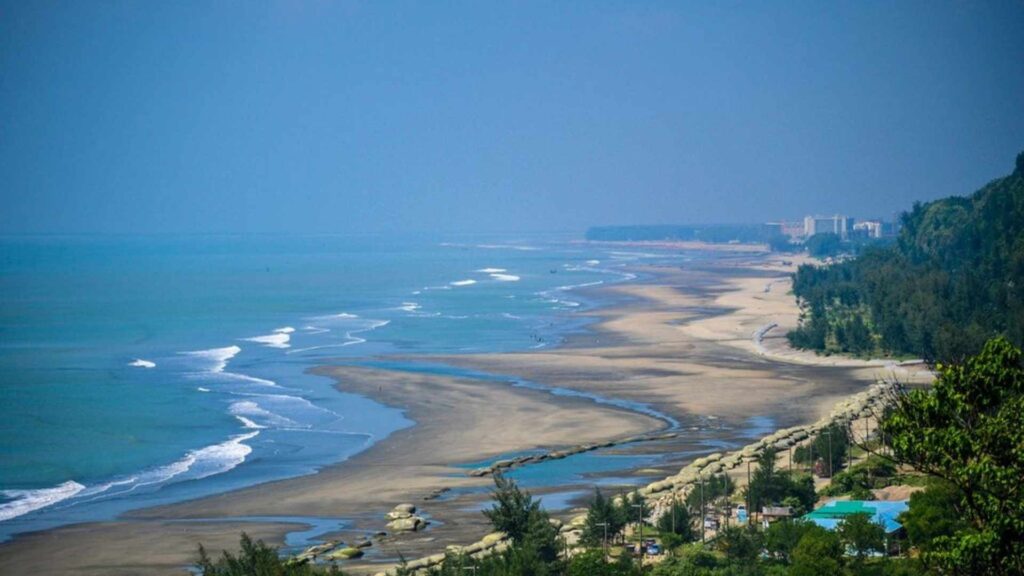
Another gem on the list of 10 interesting facts about Bangladesh is Cox’s Bazar, famous for being one of the world’s longest natural beaches. Stretching nearly 120 kilometers, this sandy shoreline is a favorite spot for both locals and international visitors.
Tourists come here for sunrise walks, surfing, and fresh seafood straight from the Bay of Bengal. Its charm is further enhanced by nearby attractions such as Himchari and Inani Beach. The sheer length and beauty of Cox’s Bazar beach make it not just a travel highlight but also a point of national pride.
4) World’s Largest Mangrove Forest—The Sundarbans
A standout fact about Bangladesh is its connection to the Sundarbans—the planet’s largest mangrove forest. This UNESCO World Heritage Site covers thousands of square kilometers across southern Bangladesh and stretches into India.
This UNESCO World Heritage Site covers thousands of square kilometers across southern Bangladesh and stretches into India.
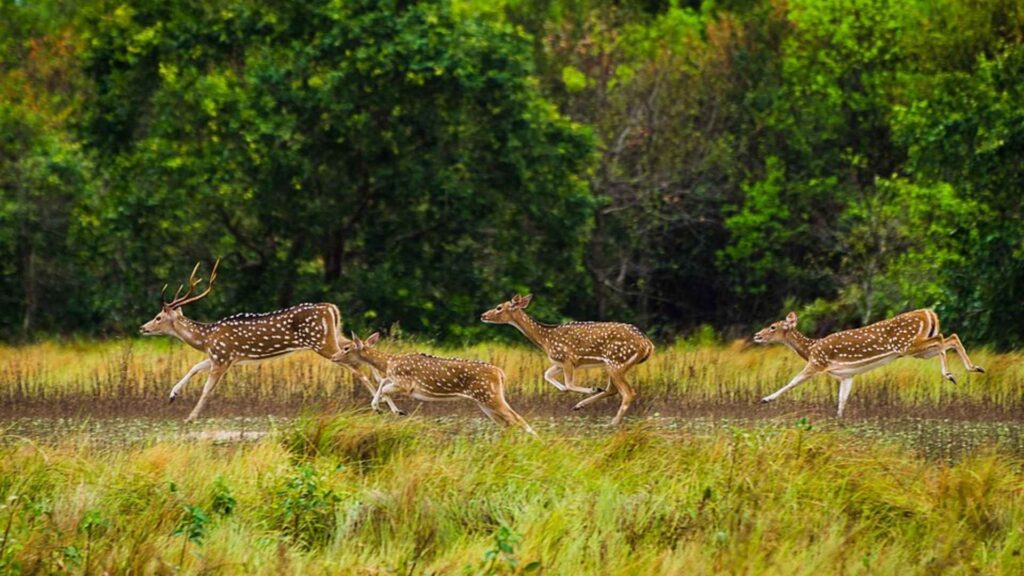
The Sundarbans is famous as the natural habitat of the Royal Bengal Tiger, along with saltwater crocodiles, deer, and rare dolphins. Its thick mangroves act as a natural shield, protecting coastal villages from cyclones and floods.
For nature lovers and scientists, the Sundarbans is both a treasure and a lifeline, showing how forests can support people, wildlife, and the climate all at once.
5) Rickshaw Capital of the World
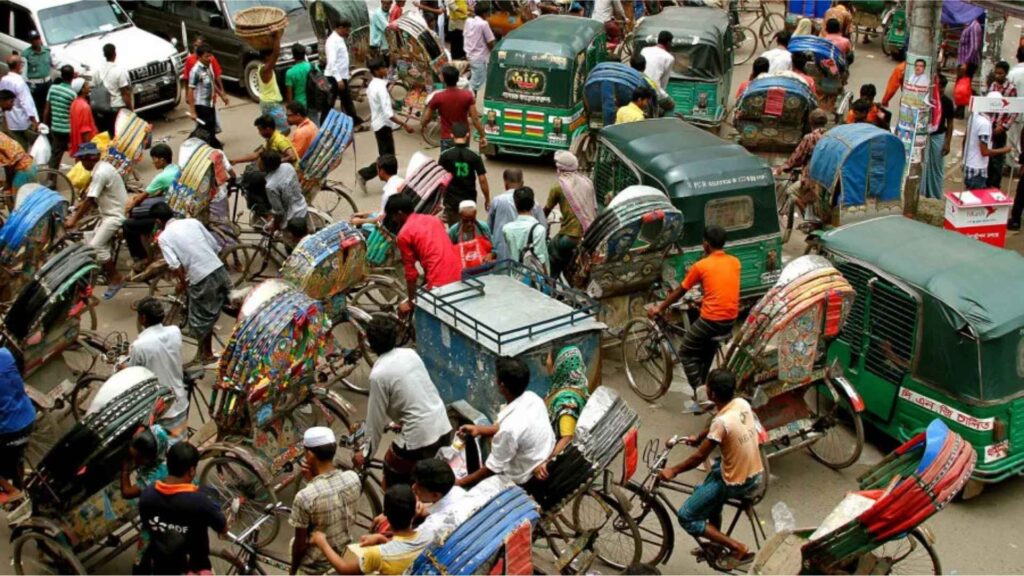
Another fun addition to the list of 10 interesting facts about Bangladesh is its rickshaws. Dhaka, the capital of Bangladesh, is often called the “Rickshaw Capital of the World,” with countless cycle rickshaws moving through its streets every day.
These are not just vehicles; they are moving pieces of art. Each rickshaw is hand-painted with bright colors and scenes from daily life or folklore. For many families, driving a rickshaw is also a main source of income.
6) Floating Vegetable Gardens
The last of our 10 interesting facts about Bangladesh is its floating vegetable gardens, known locally as “Dhap.” Farmers in flood-prone areas build rafts from water hyacinth and grow crops like gourds, cucumbers, and leafy greens on top.
This centuries-old method is an eco-friendly answer to rising water levels. Today, it is seen as a model of climate-smart farming that other countries can learn from, proving how traditional knowledge can solve modern problems.
7) Six Seasons Instead of Four
One of the most unique and interesting facts about Bangladesh is that it has six seasons instead of four.
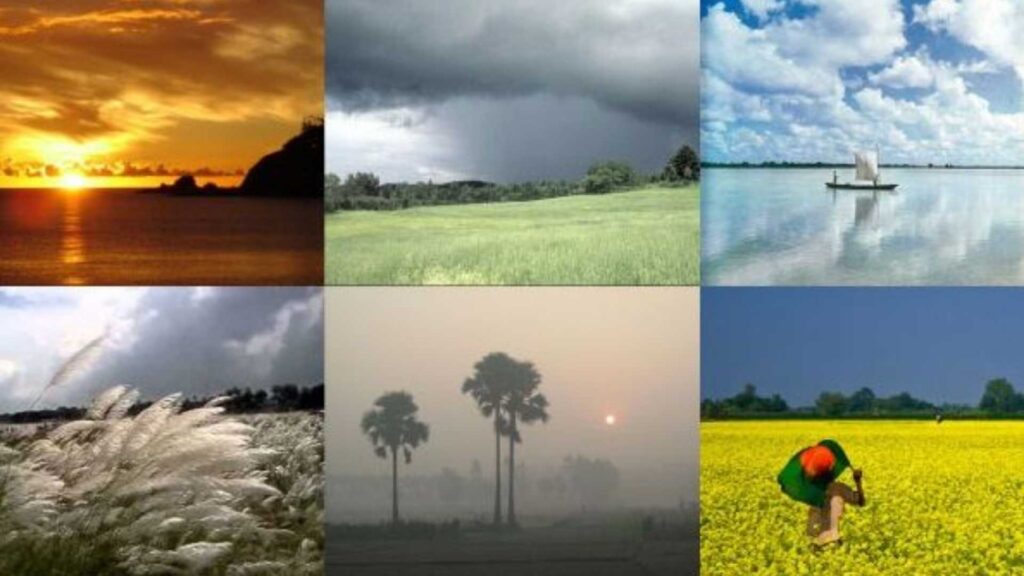
- Grismo (summer),
- Borsha (monsoon),
- Shorot (autumn),
- Hemonto (late autumn),
- Sheet (winter),
- Boshonto (spring).
Each season has its own weather, crops, and festivals. For example, monsoon rains fill the rivers, while winter is perfect for harvesting rice. These six Bangla seasons shape not only farming but also food habits and cultural celebrations throughout the year.
8) Wildlife Icons—The Bengal Tiger & Beyond
When it comes to interesting facts about Bangladesh, the Royal Bengal Tiger is one of the most iconic and powerful symbols. The Bengal tiger lives mainly in the Sundarbans and is honored as the national animal of Bangladesh.
Beyond tigers, the country is rich in biodiversity, with spotted deer, crocodiles, river dolphins, and hundreds of bird species. These natural treasures are safeguarded by wildlife sanctuaries and national parks, though threats like deforestation and climate change persist.
For visitors, exploring Bangladesh’s wildlife is a chance to see nature in one of its most raw and beautiful forms.
9) Cricket is More Than a Sport
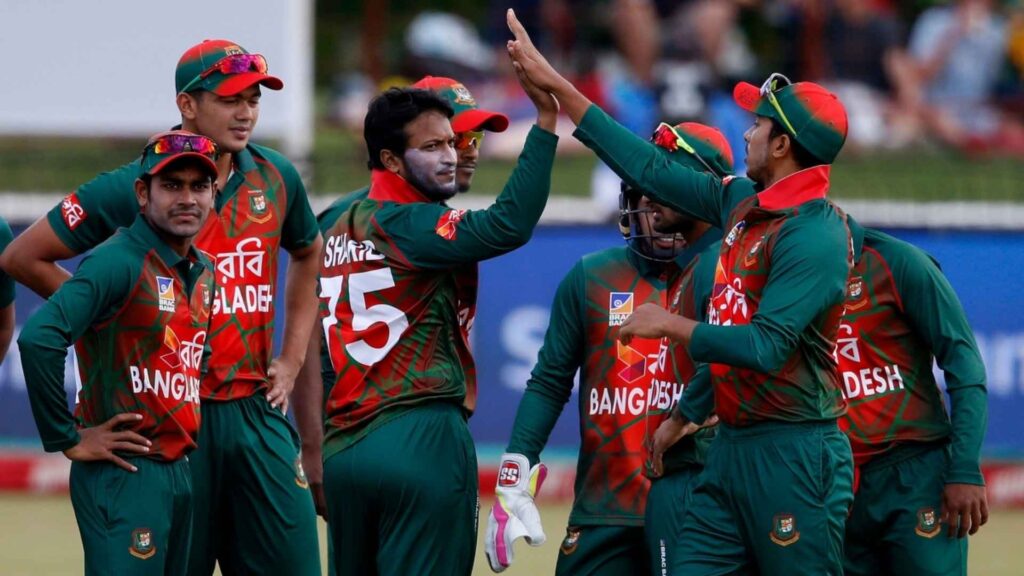
Among the most exciting interesting facts about Bangladesh is the country’s love for cricket. It is more than a pastime—it is a passion that unites millions. Since earning Test status in 2000, the Bangladesh cricket team has become a source of national pride.
From Dhaka to Chattogram, stadiums erupt with energy during international matches and the Bangladesh Premier League, where fans celebrate cricket as a symbol of hope, pride, and unity.
10) Festivals & Faith—Pohela Boishakh to Ekushey
Festivals are a big part of daily life, and they add color to the list of 10 interesting facts about Bangladesh. The most popular is Pohela Boishakh, the Bengali New Year, celebrated every April with parades, songs, and street fairs.
During international matches and the Bangladesh Premier League, stadiums in Dhaka and Chattogram overflow with cheering fans. For many people, cricket represents unity, hope, and pride, making it one of the strongest cultural bonds in the country.
Another important day is Ekushey February, which honors the Language Movement of 1952. This event inspired UNESCO to declare February 21 as International Mother Language Day. With a mix of Muslim, Hindu, Buddhist, and Christian celebrations, Bangladesh is proof of how diverse traditions can live together and shape a nation’s cultural identity.
FAQs
Q1: What is the national fish of Bangladesh?
The Hilsa fish, Bangladesh’s national fish, is a festive delicacy traditionally prepared in mustard oil and enjoyed during major festivals. Hilsa is loved not only for its taste but also as part of traditional Bengali dishes.
Q2: How long is Cox’s Bazar beach?
Cox’s Bazar beach is about 120 kilometers long, making it one of the world’s longest natural beaches. Visitors enjoy sunrise walks, surfing, and seafood along this stretch of sand.
Q3: Where is the Sundarbans, and why is it special?
The Sundarbans mangrove forest is situated in both southern Bangladesh and eastern India, forming a vital shared ecosystem. It is the world’s largest mangrove forest and home to the Royal Bengal Tiger.
Q4: How many seasons does Bangladesh have?
Unlike most countries, Bangladesh has six seasons—summer, monsoon, autumn, late autumn, winter, and spring. Each season brings its own foods and festivals.
Q5: Do people in Bangladesh speak English?
Yes, English is taught in schools and used in business. However, Bengali (Bangla) is the official language, spoken universally by almost everyone in the country.
Curious by nature, storyteller by choice. I run Interesting Facts to bring you mind-blowing stories, hidden truths, and fascinating insights from around the globe. If it makes you say “Wow, I never knew that!”—my job is done.
Laiba Hanif is a professional fact-finder and the writer behind “Interesting Facts.” Fueled by a degree in Anthropology and over five years of experience unearthing hidden truths, she specializes in digging up the most bizarre, fascinating, and mind-bending tidbits the world has to offer. She’s here to prove that reality is stranger—and more amazing—than fiction.