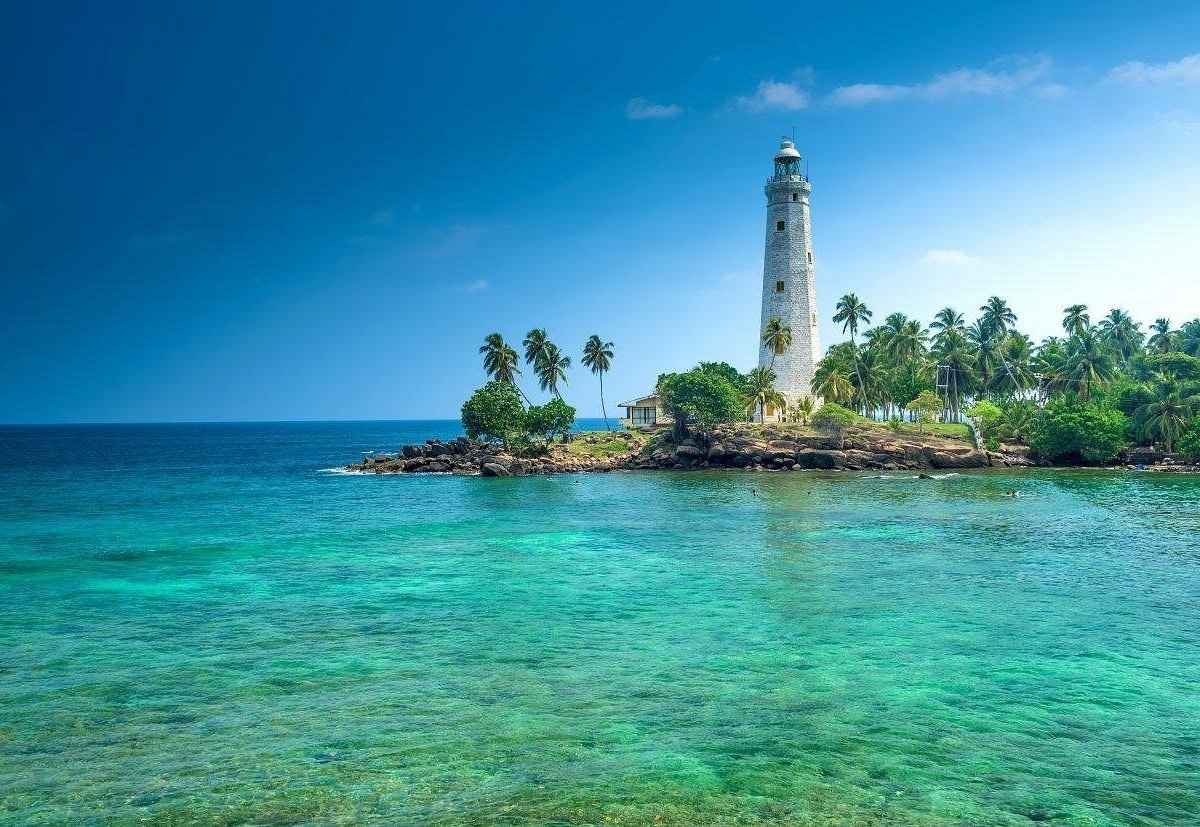
The “Pearl of the Indian Ocean,” Sri Lanka is a beautiful island nation with a rich history, but its true magic lies in its quirks. Did you know that a simple head waggle can mean “yes” there? Or that this teardrop-shaped country is home to the world’s oldest human-planted tree? Get ready to be captivated as we dive into 8 unusual facts about Sri Lanka, from its bizarre greetings to its surprising national sport.
Sri Lanka—At a Glance
Sri Lanka, the “Ceylon,” is a captivating island nation where ancient history, lush landscapes, and vibrant culture converge. Shaped like a teardrop, it boasts a diverse tapestry of golden beaches, mist-covered mountains, and dense rainforests teeming with wildlife like elephants and leopards.
The country’s rich heritage is reflected in its ancient cities, sacred temples, and a cuisine that tantalizes with the bold flavors of cinnamon and fresh spices. A land of paradoxes, it’s where a bustling city can be found a short drive from a serene tea plantation, and where the rhythmic head waggle of locals conveys a warm and welcoming “yes.”
Quick Fact: Blue Sapphire in Sri Lanka
Sri Lanka is world-famous for its blue sapphires, especially from Ratnapura, known as the “City of Gems.” The island has supplied some of the largest sapphires in history, including stones used in British and royal jewelry. (GIA)
Quick Key Facts
| Key Fact | Details |
|---|---|
| Capital City | Sri Jayawardenepura Kotte (administrative), Colombo (commercial) |
| Population | ~22 million (2025 est.) |
| Official Languages | Sinhala, Tamil |
| Religion | Buddhism (majority), Hinduism, Islam, Christianity |
| Currency | Sri Lankan Rupee (LKR) |
| Religion | Buddhism (majority), Hinduism, Islam, Christianity |
1. Sri Lanka: The World’s Ceylon Tea Capital
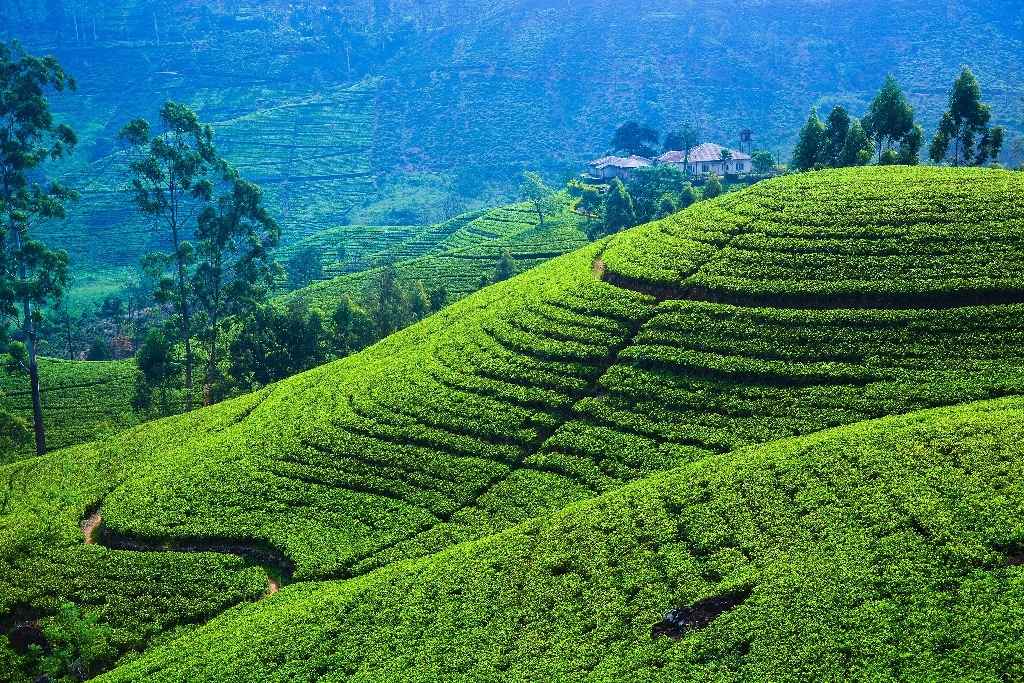
When you think of Sri Lanka, you probably think of Ceylon tea. The island’s cool hill country—from Nuwara Eliya to Ella—has the perfect climate for lush green tea estates. Introduced during British colonial rule, the Sri Lanka tea industry has grown into one of the world’s largest exporters, sending millions of kilos of tea across the globe each year.
Today, travelers can tour plantations, sip freshly brewed cups, and even ride scenic trains through misty hills, making tea tourism one of the island’s most memorable experiences.
Quick Fact: Adam’s Footprint (Sri Pada / Adam’s Peak)
On top of Adam’s Peak in Sri Lanka lies a 1.8-meter rock formation known as Sri Pada, or Adam’s Footprint. It is sacred to multiple religions: Buddhists believe it’s the Buddha’s footprint, Hindus attribute it to Lord Shiva, and Muslims and Christians associate it with Adam’s first step after leaving Eden. (Britannica)
2. The World’s Oldest Human-Planted Tree
In the sacred city of Anuradhapura stands the Jaya Sri Maha Bodhi tree, believed to be the oldest human-planted tree in the world with a recorded history. Brought from India more than 2,000 years ago, it is a direct descendant of the tree under which the Buddha attained enlightenment.
For Buddhists, it remains a revered site of religious pilgrimage and prayer. Beyond its spiritual value, the Bodhi tree is a living symbol of ancient Sri Lanka and the island’s enduring Buddhist heritage.
Quick Fact: Longest Christmas Tree in Sri Lanka
In 2016, Colombo built the world’s tallest artificial Christmas tree, standing at 72 meters (236 feet). Decorated with lights, stars, and festive ornaments, it was recognized as a record-breaking holiday display, drawing both locals and tourists. (BBC)
3. Quirky Culture: The Sri Lankan Head Waggle
One of the most charming Sri Lankan cultural facts is the head waggle, a subtle side-to-side movement that often means “yes” or “I understand.” To outsiders, it can be confusing, but locals see it as a natural part of daily conversation.
Learning this gesture adds fun to your trip and helps you connect better with people, making it a small but memorable piece of Sri Lanka’s local traditions.
4. Full Moon Holiday in Sri Lanka
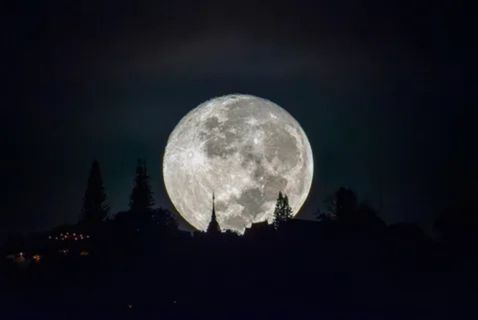
In Sri Lanka, every full moon day, known locally as Poya Day, is a public holiday. Rooted in Buddhist traditions, these days commemorate significant events in the life of the Buddha, such as his birth, enlightenment, and first sermon.
On Poya Days, businesses and government offices close, alcohol sales are banned, and devotees flock to temples for prayers and rituals, making it a uniquely observed national holiday.
5. The World’s First Female Prime Minister
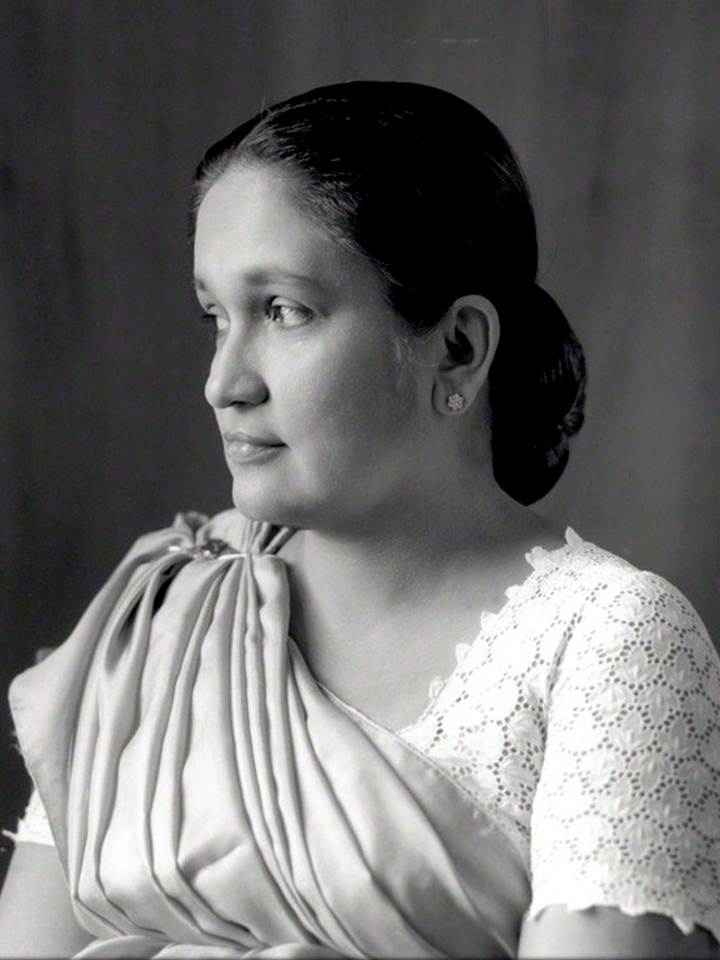
In 1960, Sirimavo Bandaranaike of Sri Lanka made history by becoming the world’s first female prime minister. Leading the Sri Lanka Freedom Party after the assassination of her husband, she served three terms in office (1960–1965, 1970–1977, and 1994–2000).
Her leadership marked a turning point in global politics, inspiring women worldwide to pursue higher roles in governance.
Quick Fact: Oldest Flag of Sri Lanka
Sri Lanka’s national flag, often called the Lion Flag, is considered one of the world’s oldest flags still in use, with origins tracing back over 1,600 years. The lion symbol was first used by ancient kings of Anuradhapura to represent strength and bravery. (wikipedia)
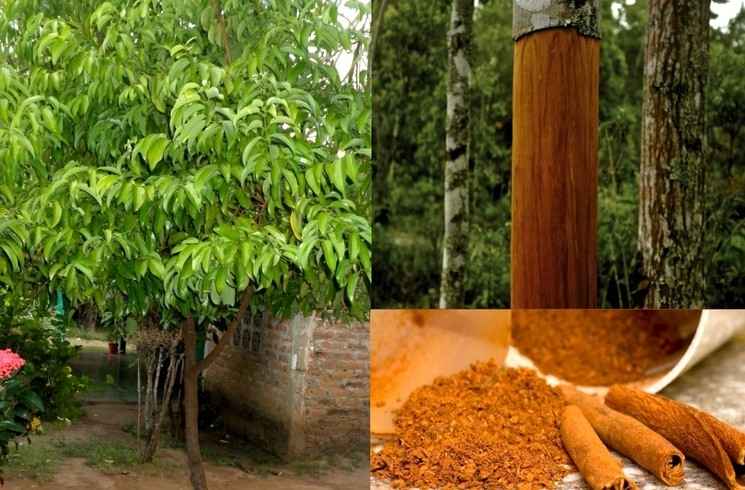
6. Cinnamon—Sri Lanka’s Spice Treasure
Sri Lanka is the world’s largest producer and exporter of true cinnamon (Cinnamomum verum), supplying nearly 90% of the global market. Known locally as “Ceylon Cinnamon,” it is prized for its sweet aroma, delicate flavor, and health benefits compared to the stronger cassia variety.
The spice has been cultivated on the island for over 2,000 years, making it one of Sri Lanka’s oldest and most valuable exports. Cinnamon from Sri Lanka is also recognized by the EU and WTO with a Geographical Indication (GI) tag, protecting its authenticity worldwide.
Quick Fact: Highest Literacy Rate in South Asia
Sri Lanka boasts the highest literacy rate in South Asia, with over 92% of its population able to read and write. This achievement is credited to the country’s free education system introduced in 1945, which provides universal access to schooling and higher education.
7. Sri Lanka’s Bedless Hotel
Sri Lanka is home to a unique concept known as the “bedless hotel,” designed to offer travelers short rest stops rather than overnight stays. Instead of traditional rooms, visitors are provided with reclining chairs, showers, and essential amenities for quick refreshment.
This innovative idea caters mainly to business travelers, transit passengers, and pilgrims seeking short breaks during long journeys. The concept highlights Sri Lanka’s adaptability in hospitality, blending comfort with efficiency for those on the move.
8. Sri Lanka – Largest Coconut Arrack Exporter
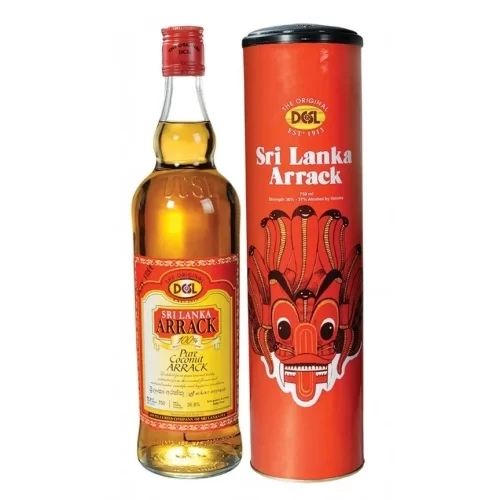
Sri Lanka is the world’s leading producer and exporter of coconut arrack, a traditional spirit distilled from the sap of coconut flowers. Known locally as the “drink of the island,” arrack has been crafted in Sri Lanka for over 600 years.
The country exports arrack to global markets, including Europe, the Middle East, and Asia, making it a unique cultural and economic product. With its smooth, refined taste, Sri Lankan arrack is often compared to fine whisky or rum on the international stage.
FAQs
Q1. What is Sri Lanka most famous for?
Sri Lanka is best known for its Ceylon tea, diverse wildlife safaris, and rich cultural history. Travelers often visit UNESCO World Heritage Sites like Sigiriya and Galle Fort or explore its golden beaches and tropical rainforests.
Q2. When is the best time to visit Sri Lanka?
The best time depends on the region. The west and south coasts are ideal from December to April, while the east coast is best from May to September. This ensures you enjoy sunshine whether you’re after beaches, festivals, or outdoor adventures.
Q3. Can you see elephants in Sri Lanka?
Yes. National parks such as Minneriya, Udawalawe, and Yala are famous for Sri Lankan elephant safaris. The annual “elephant gathering” in Minneriya is one of the largest wild elephant congregations in the world.
Q4. What food should travelers try in Sri Lanka?
Sri Lankan cuisine is flavorful and diverse. Must-tries include rice and curry, hoppers (crispy pancakes), and kottu roti. Street food stalls also serve spicy snacks that reflect the island’s unique mix of cultures.
Q5. Why is Sri Lanka called a biodiversity hotspot?
Despite its size, Sri Lanka has an exceptionally high number of endemic species, from leopards and elephants to rare amphibians and birds. Its rainforests, coral reefs, and national parks make it a paradise for nature lovers.
Curious by nature, storyteller by choice. I run Interesting Facts to bring you mind-blowing stories, hidden truths, and fascinating insights from around the globe. If it makes you say “Wow, I never knew that!”—my job is done.
Laiba Hanif is a professional fact-finder and the writer behind “Interesting Facts.” Fueled by a degree in Anthropology and over five years of experience unearthing hidden truths, she specializes in digging up the most bizarre, fascinating, and mind-bending tidbits the world has to offer. She’s here to prove that reality is stranger—and more amazing—than fiction.