Fish aren’t just the silent swimmers we see in aquariums or on dinner plates—they’re living proof that nature has a wild imagination.
From fish that shoot jets of water to those that give hallucinations when eaten, these underwater wonders are full of surprises. Dive in and discover 20 fascinating fish facts that will blow your mind.
Think You Know Fish? Think Again
Fish, with their dazzling colors, intricate patterns, and graceful movements, are the original masters of the deep. From the tiny, glowing lanternfish to the massive, gentle whale shark, they inhabit every corner of our planet’s waters, showcasing an astonishing diversity of life.
They are more than just creatures of the sea; they are the heart of aquatic ecosystems, a vital food source, and a source of endless fascination. Prepare to be hooked!
20 Mind-Blowing Fish Facts:
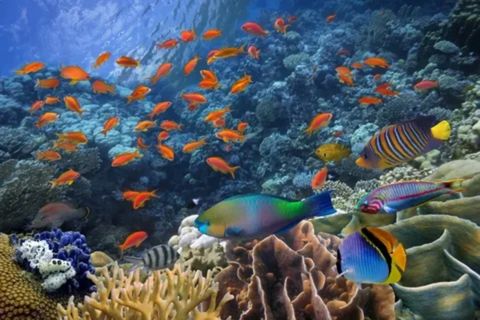
1. Mucus Cocoon: The Parrotfish Sleeps in a Snot Sleeping Bag
Every night, parrotfish wrap themselves in a protective cocoon of mucus. It’s not gross—it’s genius! This “snot sleeping bag” masks their scent, keeping predators like moray eels from sniffing them out.
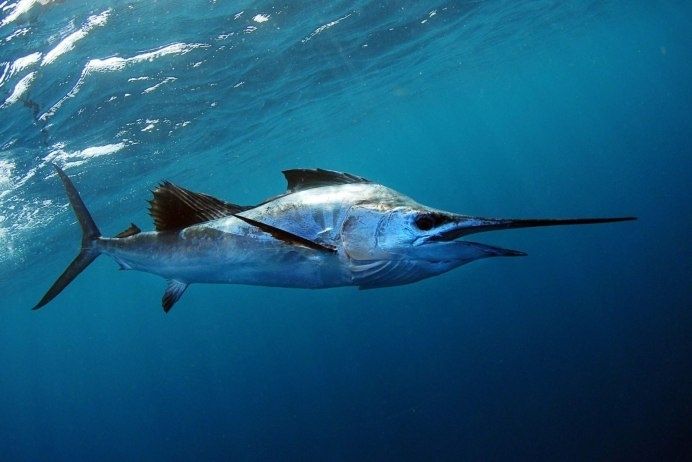
2. Faster Than a Cheetah: The Sailfish is the Ocean’s Speed Demon
Clocking speeds over 68 mph (110 km/h), the sailfish leaves even the cheetah in its wake. With its sleek body and giant dorsal fin, it’s the true Ferrari of the sea.
3. Two Eyes on One Side: Flatfish Morph as They Grow
Flatfish start life looking like “normal” fish, with an eye on each side of their head. But as they grow, one eye migrates across the skull—so adults end up with both eyes on the same side!
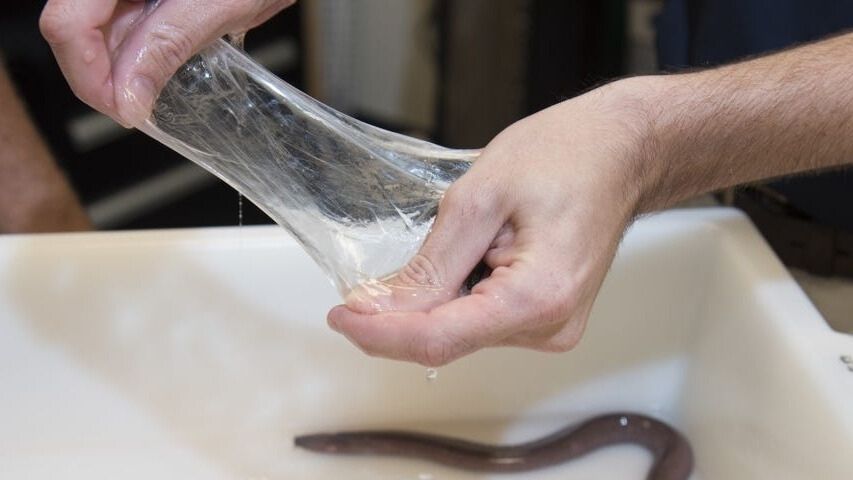
4. Instant Slime: The Hagfish is Nature’s Grossest Defense System
When threatened, hagfish release goo that turns water into a slimy gel within seconds. This suffocates predators by clogging their gills—slime as a superpower.
5. Fish Can Drown
Yes, really. If the water doesn’t contain enough oxygen, even gill-breathing fish can suffocate. It’s a stark reminder that healthy, oxygen-rich water is critical for aquatic life.
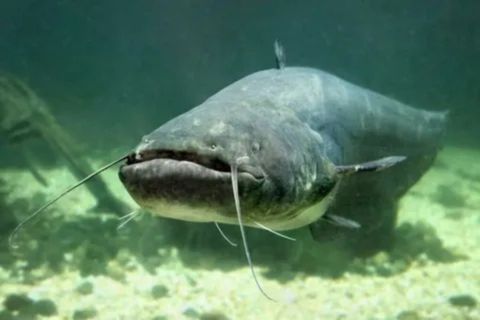
6. 27,000 Taste Buds: Catfish Have Super Senses
Humans have about 9,000 taste buds. Catfish? Try 27,000. Their entire body acts like a tongue, letting them “taste” their environment to find food even in murky water.
7. Tool-Using Fish: Smarter Than They Look
Who says tools are just for primates? Some fish crack open shellfish by smashing them against rocks, proving that brains, not just brawn, are key to survival.
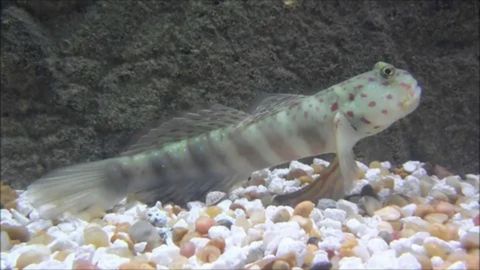
8. Mental Map: Goby Fish Remember Tide Pools
The humble goby uses its memory like a GPS. When the tide recedes, it can leap between tide pools with precision—avoiding being stranded or eaten.
9. Water Gun: The Archerfish Shoots Prey from Afar
This sharpshooter spits jets of water to knock insects out of the air with pinpoint accuracy. Even cooler? It accounts for light refraction when aiming.
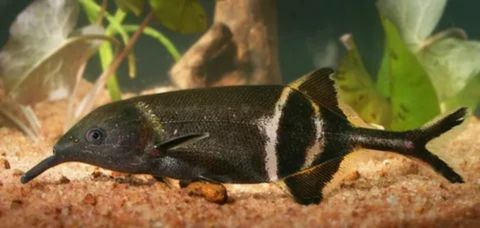
10. Electrical Talk: The Elephantnose Fish Communicates with Pulses
Instead of “talking,” this African fish sends out electrical signals to navigate and chat with others. Think of it as texting—but underwater and in Morse code.
11. Male Pregnancy: Seahorses Redefine Parenthood
In the seahorse world,the male has ability to get pregnant. The dad carries the eggs in a pouch, nurtures them, and eventually gives birth. Now that’s fatherly dedication.
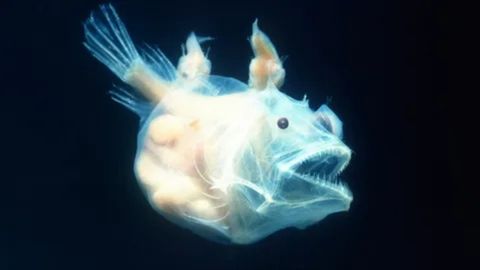
12. Luring with Light: The Anglerfish’s Creepy Glow
Deep-sea anglerfish dangle a glowing lure to attract prey straight into their terrifying jaws. Talk about dinner with mood lighting—except you’re the entrée.
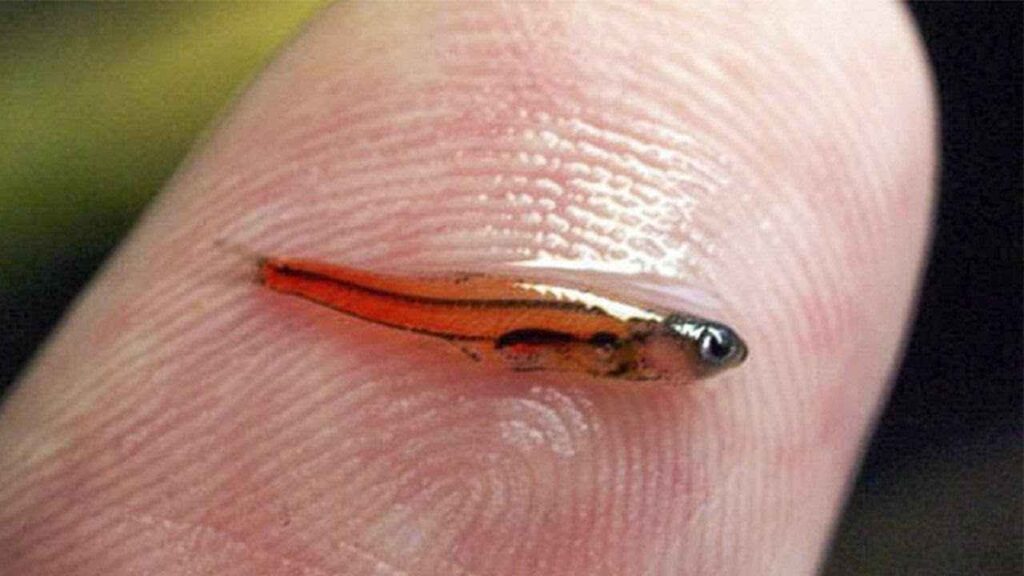
13. World’s Smallest Fish: The Stout Infantfish
Measuring less than a quarter of an inch, this tiny species could sit on your fingernail. Proof that size doesn’t define survival.
14. Cleaning Stations: Wrasses Run Fishy Car Washes
Cleaner wrasses set up “stations” where other fish line up to have parasites nibbled off their scales. It’s a win-win: hygiene for the client, food for the wrasse.
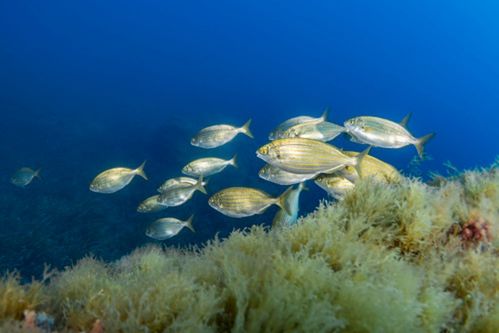
15. Hallucinogenic Fish: The Salema Porgy
This Mediterranean fish earned the nickname “dream fish.” Eat it, and you might experience wild hallucinations that last for hours. Ancient Romans allegedly tried it on purpose!
16. One-Way Trip: Pacific Salmon Die After Spawning
For Pacific salmon, reproduction is the ultimate sacrifice. After an exhausting upstream journey and spawning, they die—ensuring nutrients cycle back into their ecosystem.
17. Thought to Be Extinct: The Coelacanth Returns
Scientists believed the coelacanth vanished 65 million years ago—until one was caught alive in 1938. This “living fossil” reminds us the ocean still holds mysteries.
18. Older Than Dinosaurs: Fish Rule the Fossil Record
Fish have been swimming in Earth’s waters for over 450 million years, long before dinosaurs appeared. In evolutionary terms, they’re the true veterans.
19. Most Diverse Vertebrates: More Fish Than Anything Else
With over 34,000 species, fish are the most diverse vertebrate group on the planet—outnumbering birds, mammals, reptiles, and amphibians combined.
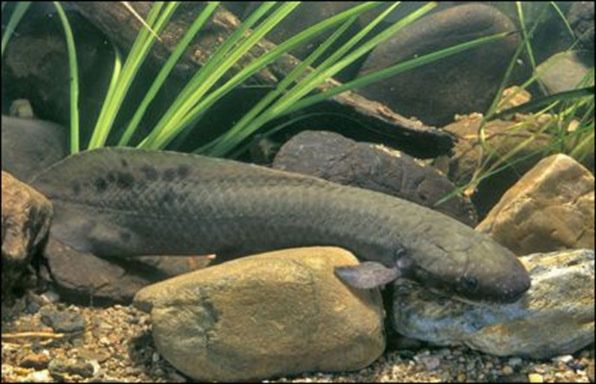
20. Oldest Recorded Fish: The Australian Lungfish
This ancient survivor hasn’t changed much in 100 million years. Some individuals have lived for over a century, making them the Methuselahs of the aquatic world.

Curious by nature, storyteller by choice. I run Interesting Facts to bring you mind-blowing stories, hidden truths, and fascinating insights from around the globe. If it makes you say “Wow, I never knew that!”—my job is done.
Laiba Hanif is a professional fact-finder and the writer behind “Interesting Facts.” Fueled by a degree in Anthropology and over five years of experience unearthing hidden truths, she specializes in digging up the most bizarre, fascinating, and mind-bending tidbits the world has to offer. She’s here to prove that reality is stranger—and more amazing—than fiction.