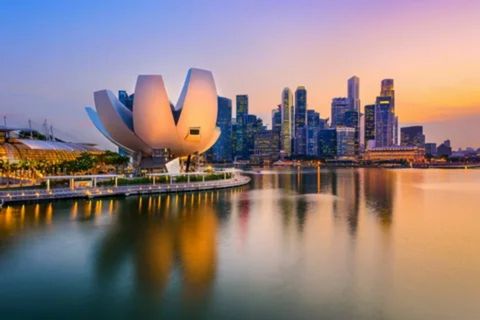
Did you know Singapore is more than just a financial hub and a tourist paradise? Behind its stunning skyline and clean streets, this small island nation hides some fascinating facts that most people don’t know.
From unexpected rules to record-breaking achievements, Singapore is full of surprises. Let’s dive into 10 unique facts about Singapore that will keep you hooked till the end.
Think You Know Singapore? Think Again
Singapore is more than just a stopover city or a financial hub—it’s a fascinating place with stories that surprise even seasoned travelers. Let’s explore 10 interesting facts about Singapore that highlight its culture, history, and innovation.
From reclaimed land and the famous Night Safari to quirky laws and futuristic gardens, these facts reveal what makes the Lion City so extraordinary. Whether you’re a visitor or simply curious, there’s something here for everyone.
Quick Facts About Singapore
| Category | Details |
|---|---|
| Country Name | Republic of Singapore |
| Capital | Singapore (city-state, same as country) |
| Population | ~5.6 million people |
| Area | 728 sq. km (smaller than New York City) |
| Official Languages | English, Malay, Mandarin, Tamil |
| Currency | Singapore Dollar (SGD) |
| Nickname | Lion City / Garden City |
10 Unique Facts About Singapore
1. No Native Lions in the “Lion City”
It might surprise many that despite being called the Lion City, Singapore has never had wild lions roaming its land. The name comes from a 14th-century tale of Prince Sang Nila Utama, who supposedly spotted a lion upon arriving here.
Historians believe it was more likely a tiger, which was common in the region. Still, the legend stuck, giving Singapore its iconic name “Singapura”—a reminder of how myths can shape national identity.
2. Singapore’s Land Reclamation Success
One of the most striking facts about Singapore is how much it has literally reshaped itself. Since independence, the country has grown from about 582 square kilometers to nearly 740, thanks to massive land reclamation projects. Entire neighborhoods, business districts, and even Changi Airport sit on reclaimed land.
Most tall buildings in Singapore are exactly 280 meters high! This isn’t random—it’s due to an unofficial height cap related to air traffic and flight paths around Changi Airport. (TheSmartLocal)
3. Home to the World’s First Night Safari
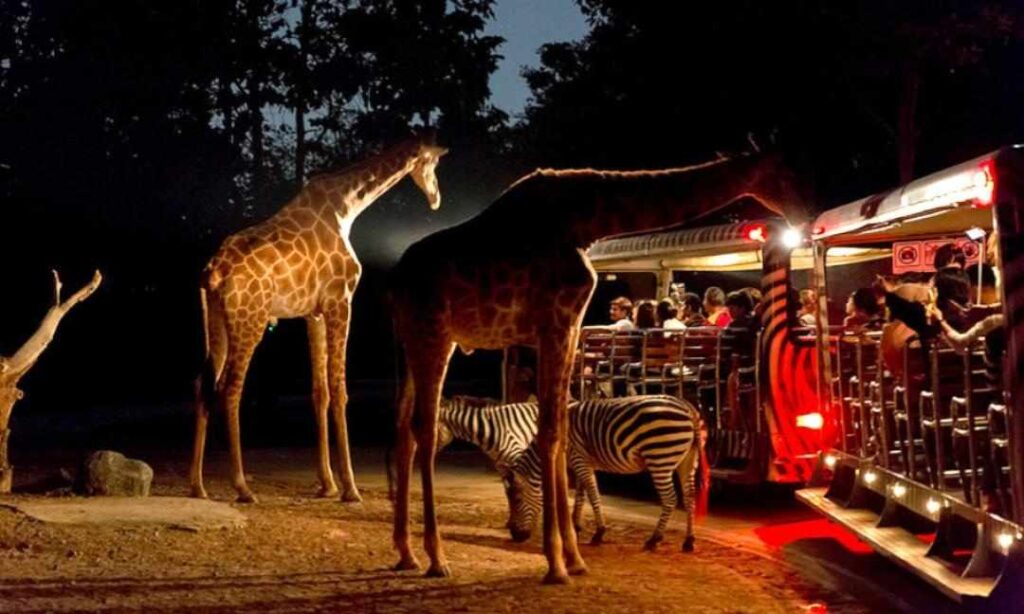
Singapore is home to the world’s first Night Safari, a unique wildlife park that opened in 1994. Unlike traditional zoos, it lets visitors experience over 100 species in their natural nocturnal habitats. From tigers to leopards, animals roam in open enclosures designed to mimic the wild.
The Night Safari quickly became one of the top tourist attractions in Singapore, drawing millions of visitors and showcasing the nation’s creative approach to conservation and tourism.
4. Strict Laws Keep the City Clean
Singapore is famous for its strict laws, many of which are designed to maintain order and cleanliness. Chewing gum is banned, littering can lead to hefty fines, and even eating on the MRT is prohibited. While these rules may seem unusual to visitors, they’ve helped create one of the cleanest and safest cities in the world.
5. A Green “City in a Garden”
One of the most celebrated facts about Singapore is its reputation as a “City in a Garden.” Despite its dense urban skyline, nearly 40% of Singapore is covered by greenery, from neighborhood parks to vast nature reserves.
The iconic Gardens by the Bay and Supertree Grove highlight its commitment to sustainability, while vertical gardens and tree-lined streets bring nature into daily life. This thoughtful urban planning makes Singapore one of the world’s greenest cities and a model for sustainable development.
6. NEWater & Smart Waste Management
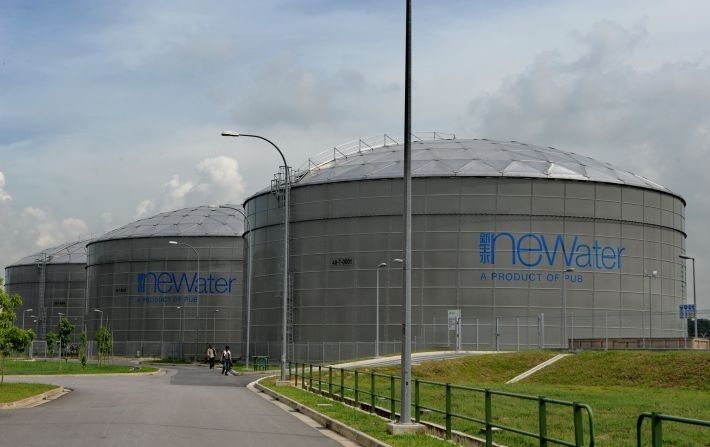
Water security has always been a challenge for Singapore, but the nation turned it into an innovation story. Through NEWater, advanced purification transforms wastewater into clean, drinkable water, reducing reliance on imports.
Unlike many Asian countries, Singapore’s tap water is 100% safe to drink. Alongside this, waste-to-energy plants help manage limited land by incinerating rubbish and generating power.
7. Singapore Loves Hawker Food
Forget fancy restaurants—Singapore’s heart lies in its hawker centers. These are open-air food courts serving affordable, delicious meals.
Fun fact: Some hawker stalls have even earned Michelin stars!
8. National Anthem on the $1,000 Note
One of the most unusual facts about Singapore is found in its currency. The complete lyrics of the national anthem, “Majulah Singapura,” are printed in microtext on the $1,000 note. This tiny but meaningful detail reflects the nation’s pride in its identity and serves as a constant reminder of unity and progress.
9. The Jewel Changi Rain Vortex
Located in Jewel Changi Airport, the Rain Vortex is the tallest indoor waterfall in the world, standing at . Surrounded by lush greenery, it creates a rainforest-like atmosphere in the heart of one of the busiest airports.
More than just an engineering marvel, it symbolizes Singapore’s balance of nature and modernity. For many travelers, the Rain Vortex is a stunning first impression of the country.
10. Strong Passport & High Wealth Status
Singapore consistently ranks among the world’s wealthiest nations, with one of the highest GDPs per capita. Its passport is also one of the strongest globally, granting citizens visa-free or visa-on-arrival access to most countries.
Singapore is home to the World Toilet Organization (WTO), founded in 2001. It is a nonprofit that works globally to improve sanitation and raise awareness about toilet and hygiene issues. (Rustic Pathways)
FAQs
Q1: Why is Singapore called the Lion City?
The name comes from a legend of Prince Sang Nila Utama, who thought he saw a lion. In reality, lions never lived in Singapore—it was most likely a tiger.
Q2: Is chewing gum really banned in Singapore?
Yes, selling or importing chewing gum is restricted, though medical and dental gum is allowed with a prescription.
Q3: What is NEWater in Singapore?
NEWater is highly treated recycled water, used to strengthen the country’s water security.
Q4: What makes Singapore a green city?
Its “City in a Garden” vision created parks, vertical gardens, and conservation areas throughout the urban landscape.
Curious by nature, storyteller by choice. I run Interesting Facts to bring you mind-blowing stories, hidden truths, and fascinating insights from around the globe. If it makes you say “Wow, I never knew that!”—my job is done.
Laiba Hanif is a professional fact-finder and the writer behind “Interesting Facts.” Fueled by a degree in Anthropology and over five years of experience unearthing hidden truths, she specializes in digging up the most bizarre, fascinating, and mind-bending tidbits the world has to offer. She’s here to prove that reality is stranger—and more amazing—than fiction.