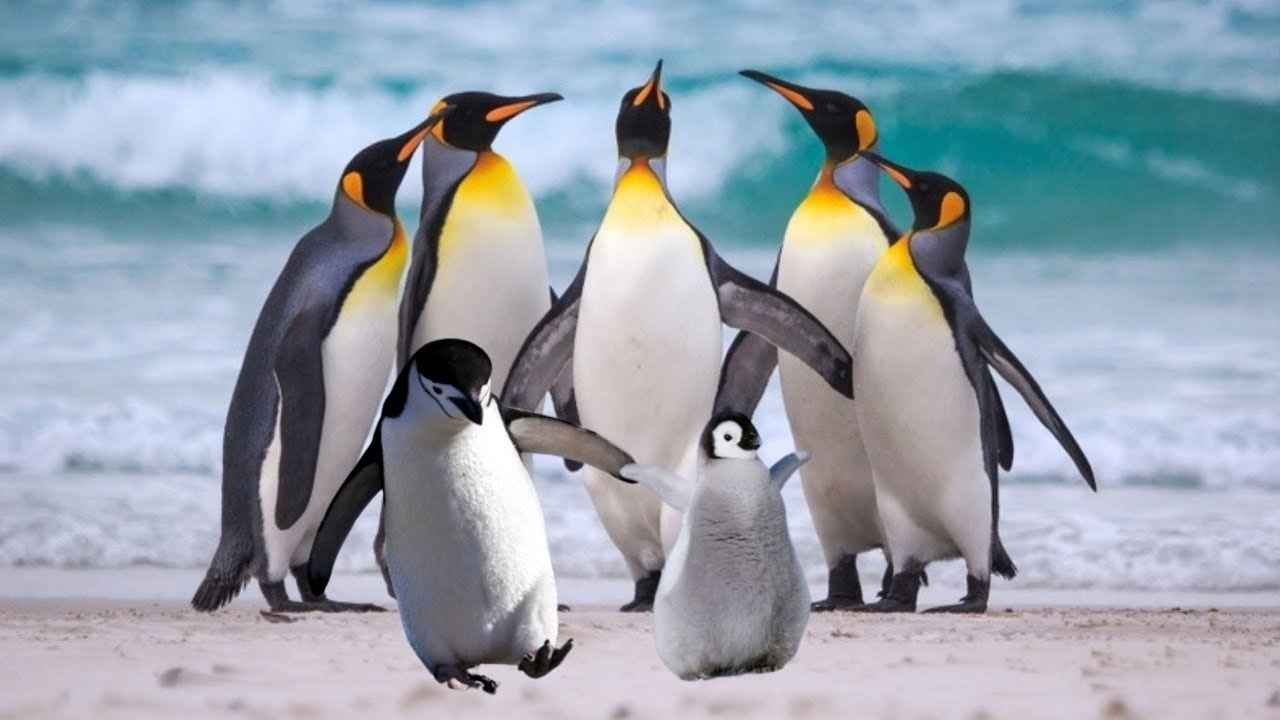
Penguins are one of the most intriguing groups of birds on the planet. Their most famous feature is their black-and-white plumage, which acts as clever counter-shading camouflage in the ocean.
Though flightless, they are the fastest swimmers of all birds, using their powerful flippers to “fly” underwater, with some species reaching speeds of over 20 mph. Let’s uncover 10 interesting facts about penguins.
12 Interesting Facts About Penguin
Penguins are among the most adorable creatures on Earth. These flightless birds have adapted remarkably well to some of the harshest environments. Here are 10 interesting facts about penguins that will leave you amazed.
1. Penguins Can’t Fly
Even though penguins are birds, they don’t fly. Instead, they use their wings as flippers to glide powerfully through the water. Due to their dense bones, they lack buoyancy.
2. They Are Excellent Swimmers
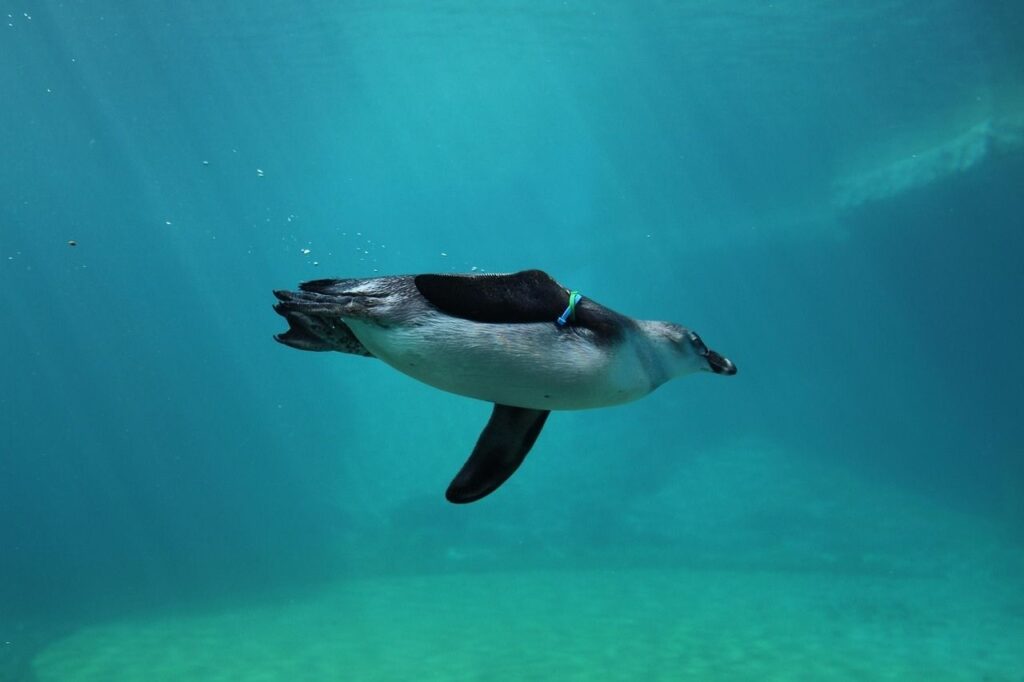
While penguins are flightless birds on land, their wings have evolved into stiff, powerful flippers, making them expert swimmers. They essentially “fly” through the water, propelled by these flippers.
Penguins can swim at speeds up to 15 miles per hour, making them incredible underwater hunters.
3. Emperor Penguin Fathers Hold the Egg
For emperor penguins, the female lays the egg and then returns to the sea to feed. The male takes on the extraordinary task of incubating the egg for over two months, balancing it on his feet under a fold of skin (the brood pouch). Both male and female penguins share parenting duties, keeping the egg warm and safe.
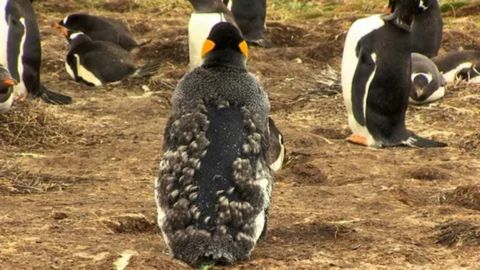
4. Catastrophic Molt
Instead of losing a few feathers at a time like most birds, penguins undergo a catastrophic molt. They lose all their feathers in a short period (2 to 5 weeks), during which time they must stay on land and fast, as they are no longer waterproof enough to swim and hunt.
5. Pebbles as Courtship Gifts
In some species, like the Adélie and Gentoo penguins, the male will present a female with a smooth, well-chosen pebble as part of the courtship and nest-building ritual. A good pebble is a prized possession.
6. Countershading Camouflage
Their iconic black and white “tuxedo” appearance is a highly effective form of camouflage called countershading. The black back helps them blend in with the dark ocean depths when viewed from above, and the white belly helps them blend with the bright surface water when viewed from below by predators or prey.
7. Penguins Can Drink Seawater
Penguins can drink saltwater. They possess a special gland located near their eyes called the supraorbital gland, which filters excess salt from their bloodstream. They then excrete this salt through their nasal passages (often via a kind of sneeze).
8. They Have Spiky Tongues
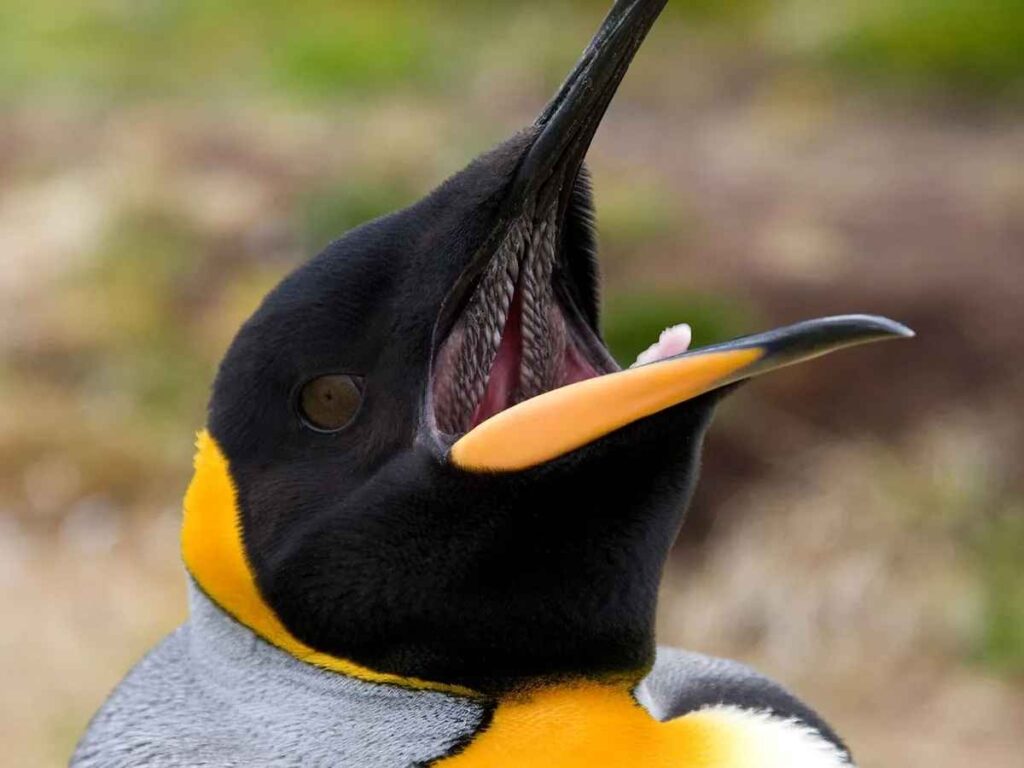
Penguins do not have teeth, but the inside of their mouth and their tongue are lined with hundreds of stiff, backward-pointing spines (called papillae). These spines help them get a firm grip on slippery fish, squid, and krill and ensure the food only slides one way: down their throat.
9. Collective Noun Diversity
A group of penguins in the water is called a raft, but on land, they are known as a waddle. Other collective terms include a rookery, colony, or huddle.
10. Emperor Penguins Are the Largest
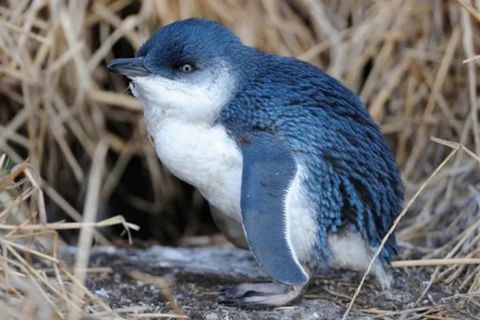
The emperor penguin is the tallest and heaviest of all penguin species, standing nearly four feet and weighing up to 40 kilograms. In contrast, the little blue penguin, also called the fairy penguin, grows to just over a foot tall. From giants to the smallest species, size differences add another layer to the 10 interesting facts about penguin diversity.
FAQs
1. Do all penguins live in cold places?
No, not all penguins live in icy regions like Antarctica. Some species, such as the Galápagos penguin, live in warm climates near the equator.
2. Can penguins fly like other birds?
Penguins cannot fly. Their wings have evolved into flippers, which make them powerful swimmers rather than fliers.
3. What do penguins eat?
Penguins primarily eat fish, squid, and krill. Their diet depends on the species and the environment they live in.
4. How long do penguins live?
On average, penguins live between 10 and 20 years, though lifespan varies by species and environmental conditions.

Curious by nature, storyteller by choice. I run Interesting Facts to bring you mind-blowing stories, hidden truths, and fascinating insights from around the globe. If it makes you say “Wow, I never knew that!”—my job is done.
Laiba Hanif is a professional fact-finder and the writer behind “Interesting Facts.” Fueled by a degree in Anthropology and over five years of experience unearthing hidden truths, she specializes in digging up the most bizarre, fascinating, and mind-bending tidbits the world has to offer. She’s here to prove that reality is stranger—and more amazing—than fiction.