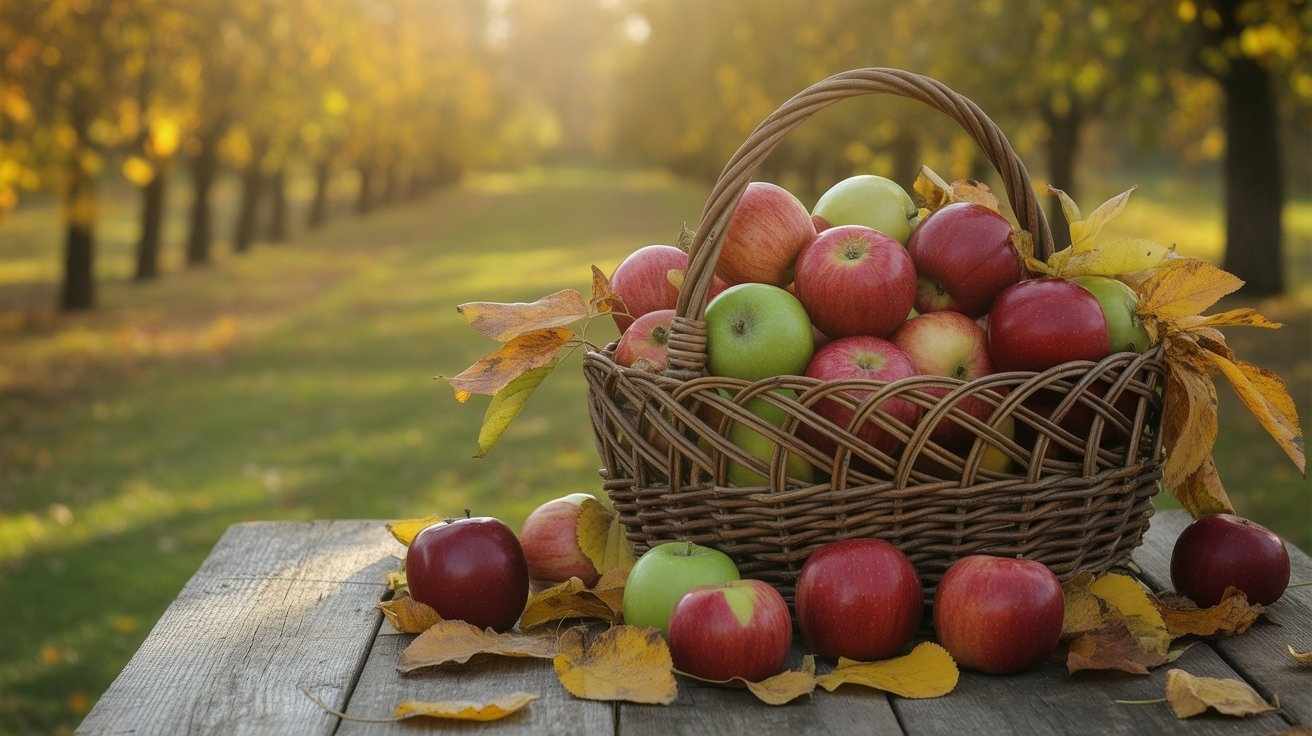
Apples stand among the most popular fruits worldwide, enjoyed by people of all ages and cultures. Sweet, crunchy, and nutritious, they’ve been part of human diets for thousands of years. But beyond their refreshing taste, apples carry fascinating stories and health secrets. Let’s explore 10 interesting facts about Apple that might surprise you!
The Simple Magic Behind Apples
Apples aren’t just a fruit—they’re a symbol of health, freshness, and comfort. From a quick snack in lunchboxes to a warm homemade pie, apples have found their way into our daily lives for centuries. Simply put, apples are more than food—they’re tradition, nutrition, and delight in every bite.
Quick facts about Apple
| Category | Details |
|---|---|
| Common Name | Apple |
| Scientific Name | Malus domestica |
| Family | Rosaceae (Rose family) |
| Origin | Central Asia (Kazakhstan) |
| Varieties | Over 7,500 worldwide (e.g., Fuji, Gala, Granny Smith, Honeycrisp) |
| Average Calories | ~95 calories per medium apple (182 grams) |
| Nutritional Highlights | Rich in dietary fiber, vitamin C, potassium, and antioxidants |
Why We Love Apples: The Secret Behind 10 Interesting Facts About Apple
1. A Member of the Rose Family
Apples (genus Malus) are part of the Rosaceae family, which also includes other fruits like pears, plums, cherries, and peaches, as well as the rose flower itself.
Every Apple Seed Is a Genetic Surprise: Every apple seed grows into a completely new variety, not identical to the parent fruit, which is why apples are grown by grafting for consistency. One of the unique facts about Apple.
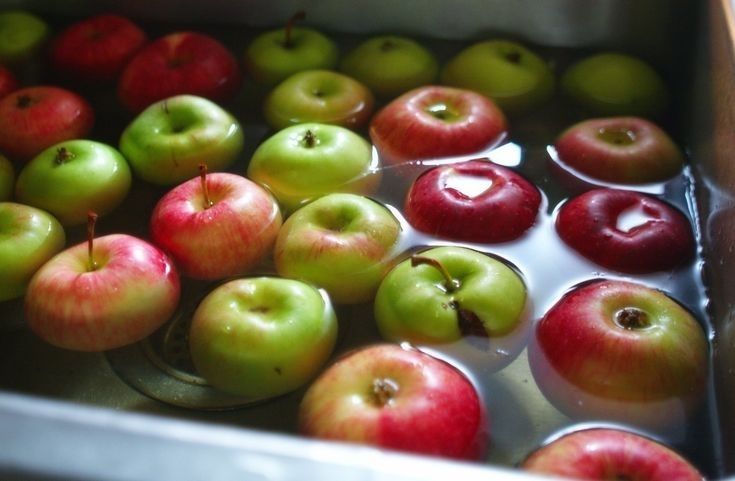
2. Apples Float
An apple is about 25% air, which is why it floats when placed in water. This buoyant quality makes the fruit ideal for the game “bobbing for apples.”
3. Ripening Speed
When kept at room temperature, apples ripen six to ten times faster compared to being stored in the refrigerator. This is why commercial apples are often stored and transported at very cold temperatures.
4. Slow to Bear Fruit
A standard-sized apple tree can take anywhere from 8 to 10 years to mature enough to produce its first harvest of fruit. Dwarf trees, however, can start bearing fruit sooner.
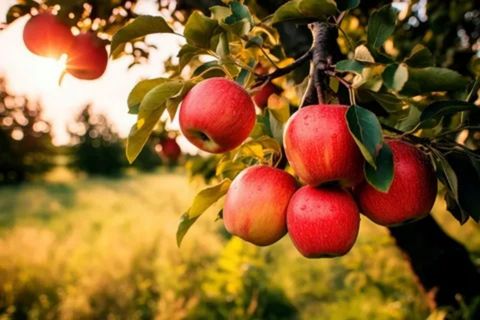
5. The Power of 50 Leaves
It takes the energy produced by approximately 50 leaves on an apple tree to produce just one perfect apple.
6. Apple Seeds Contain Cyanide (in tiny amounts)
Apple seeds contain a compound called amygdalin, which releases cyanide when it comes into contact with human digestive enzymes. However, the amount is minimal, and the seeds have a protective coating. You would need to thoroughly chew and ingest a very large quantity of seeds (hundreds, depending on the person) for it to be harmful
A Symbol of Love (Ancient Greece): In ancient Greek mythology, throwing an apple to a young woman was a traditional proposal of marriage, and if she caught it, it meant she accepted. The apple was often associated with love, beauty, and fertility.
7. More Effective Than Coffee
Many people find that the natural sugars, fiber, and complex carbohydrates in an apple are more effective at waking them up and keeping them energized than a cup of coffee. The steady energy boost helps avoid the sharp spike and crash associated with caffeine.
8. Apple Skin: Hub of the Nutrients
The skin of an apple is a powerhouse of nutrition, holding most of the fruit’s vitamins, minerals, and antioxidants. Rich in fiber, vitamin C, and beneficial plant compounds, the peel plays a major role in boosting health benefits.
| Nutrient | Amount (Approx.) | Benefits |
|---|---|---|
| Calories | 52 kcal | Low-calorie, energy source |
| Water | 85 g | Hydration support |
| Carbohydrates | 13.8 g | Natural sugars for energy |
| Dietary Fiber | 2.4–3 g | Aids digestion, improves satiety |
| Vitamin C | 8–9 mg (10% DV) | Boosts immunity, skin health |
| Vitamin A (beta-carotene) | 54 IU | Supports vision & skin health |
| Vitamin K | 4 µg (5% DV) | Blood clotting, bone health |
| Potassium | 195 mg | Heart and muscle function |
| Quercetin & Polyphenols | High levels | Strong antioxidants |
| Pectin (soluble fiber) | Rich source | Supports gut health, lowers cholesterol |
9. The Largest Apple Ever Weighed 4 Pounds
Grown in Japan, this giant apple set a Guinness World Record!
10. It Takes Dozens of Apples to Make Cider
To produce one gallon of apple cider, it takes a surprisingly large quantity of fruit—approximately 40-50 apples.
FAQs
Q1: Are apple seeds poisonous?
Yes, apple seeds contain amygdalin, which releases a small amount of cyanide. Accidentally swallowing a few is harmless, but avoid eating them in large amounts.
Q2: Do apples help in weight loss?
Absolutely. Apples are low in calories, high in fiber, and increase satiety, making them a smart choice for weight control.
Q3: What’s the healthiest apple variety?
All apples are nutritious, but Granny Smith and Fuji stand out for their antioxidants and balanced sugar levels.

Curious by nature, storyteller by choice. I run Interesting Facts to bring you mind-blowing stories, hidden truths, and fascinating insights from around the globe. If it makes you say “Wow, I never knew that!”—my job is done.
Laiba Hanif is a professional fact-finder and the writer behind “Interesting Facts.” Fueled by a degree in Anthropology and over five years of experience unearthing hidden truths, she specializes in digging up the most bizarre, fascinating, and mind-bending tidbits the world has to offer. She’s here to prove that reality is stranger—and more amazing—than fiction.