Discover eggs like never before! These 10 unique and interesting egg facts will change the way you see this everyday superfood.
Egg: Nature’s Tiny Powerhouses of Wonder
Forget everything you thought you knew about this breakfast staple. Beyond the shell lies a marvel of natural engineering—a miniature, self-sustaining ecosystem packed with secrets.
From the ancient virus that tints some shells blue to the unique protein structures that anchor its golden core, this isn’t just a food; it’s a profound, biological wonder.
Get ready for the surprisingly egg-cellent facts that make this common kitchen item truly extraordinary.
Quick Facts About Egg
| Attribute | Details |
|---|---|
| Name | Egg |
| Class | Food/Poultry Product |
| Source | Hen (commonly) |
| Average Weight | 50–60 grams |
| Color Variants | White, Brown, Blue |
| Main Nutrients | Protein, Fat, Vitamins |
10 Delicious Egg Facts
1. Oldest Food in History
Humans have been eating eggs for at least 6 million years, making them one of the oldest foods still enjoyed today.
Did you know??
Egg yolks are one of the best sources of choline, a vital nutrient that supports brain health, nerve function, and metabolism.
2. Eggshells Are Stronger Than They Look
A single eggshell can withstand the weight of up to 9 pounds before cracking—that’s more than a house cat!
3. Double Yolks Mean Surprise
Finding a double-yolk egg is rare—only 1 in 1,000 eggs has two yolks, often seen as a sign of good luck.
4. The World’s Largest Egg
The ostrich lays the biggest egg in the world, weighing up to 3 pounds, equal to about 24 chicken eggs.
5. Eggshell Colors Don’t Affect Nutrition
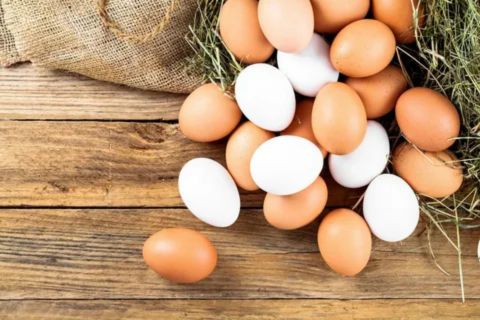
Brown, white, or even blue eggs have the same nutritional value — shell color simply depends on the hen’s breed.
| Nutrient | Amount per Large Egg |
|---|---|
| Calories | ~ 72 kcal (Ask USDA) |
| Protein | ~ 6.3 g (Nation Institute of Food and Agriculture) |
| Total Fat | ~ 4.8 g (Ask USDA) |
| Cholesterol | ~ 185 mg (ars.usda.gov) |
| Vitamin A | ~ 6% of Daily Value (Nation Institute of Food and Agriculture) |
| Choline | ~ 146.9 mg (nal.usda.gov) |
6. A Natural Protein Powerhouse
One large egg contains about 6 grams of protein, making it one of the most complete natural protein sources.
7. Egg Yolk Is One Giant Cell
The yolk of an egg is technically the largest single cell in the animal kingdom.
The white, twisted, rope-like strands found in an egg are called the chalazae.
8. They Can “Float Test” Freshness
Fresh eggs sink in water, while older eggs float because of a growing air pocket inside.
9. Some Chickens Lay Blue Eggs
Certain breeds, like the Araucana and Ameraucana, naturally produce eggs with striking blue shells.

Eggshell Color is Predicted by earlobe color; white earlobe means white egg and red or brown means brown egg
10. World Record Egg
In 2019, a simple photo of a brown egg broke Instagram records, becoming the most-liked picture in history with over 55 million likes!
FAQs
1. Are brown eggs healthier than white eggs?
No. Brown and white eggs have the same nutritional value. The difference is only due to the breed of the hen.
2. Why do some eggs have double yolks?
Double yolks occur when a hen releases two yolks at once. It’s rare — about 1 in 1,000 eggs — and considered lucky in many cultures.
3. How can you tell if an egg is fresh?
Do the water float test: fresh eggs sink, while older eggs float because of a larger air pocket inside.

Curious by nature, storyteller by choice. I run Interesting Facts to bring you mind-blowing stories, hidden truths, and fascinating insights from around the globe. If it makes you say “Wow, I never knew that!”—my job is done.
Laiba Hanif is a professional fact-finder and the writer behind “Interesting Facts.” Fueled by a degree in Anthropology and over five years of experience unearthing hidden truths, she specializes in digging up the most bizarre, fascinating, and mind-bending tidbits the world has to offer. She’s here to prove that reality is stranger—and more amazing—than fiction.