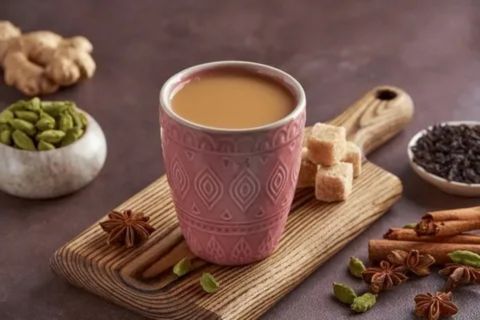
Tea isn’t just a drink—it’s an experience. With over 3 billion cups consumed daily, tea is the world’s second most consumed beverage after water. From ancient Chinese legends to modern-day matcha lattes, tea has shaped cultures and histories for thousands of years.
12 Amazing Facts About Tea
Here are 12 fascinating facts about tea that will surprise and delight you.
1. Tea is the Second Most Consumed Beverage in the World
Tea beats soda, milk, and even coffee in global popularity. In countries like India, Turkey, and China, tea is a daily ritual deeply tied to social and cultural traditions.
2. All True Teas Come from One Plant
No matter the variety—black, green, white, or oolong—all true teas come from the Camellia sinensis plant. Herbal drinks like chamomile or peppermint aren’t “real tea” but are technically called tisanes.
3. Tea Was Discovered by Accident
According to Chinese legend, Emperor Shen Nong discovered tea in 2737 BCE when leaves from a wild tree blew into his pot of boiling water. He tasted it and was instantly refreshed.
4. Tea Leaves Change Color Naturally
The difference between black, green, and oolong tea comes from oxidation. Green tea is unoxidized, keeping its grassy flavor, while black tea is fully oxidized, giving it a rich, bold taste.
5. Some Teas Are Pricier Than Gold
Rare teas like Da-Hong Pao and aged Pu-erh can cost thousands of dollars per pound. These prized leaves are often reserved for collectors and ceremonial brewing.
6. Tea Bags Were Invented by Mistake
When Thomas Sullivan mailed tea samples in silk bags in 1908, he unintentionally gave birth to the concept of tea bags.. Customers dunked them directly into hot water, unintentionally creating the first tea bag.
7. Tea Was Once Used as Money
In ancient Asia, tea was pressed into bricks and used as currency for trade. These “tea bricks” were so valuable that soldiers and merchants carried them like coins.
8. Matcha is a Super Antioxidant
Matcha contains more antioxidants than blueberries and spinach combined. This powdered Japanese tea is celebrated for boosting focus, metabolism, and overall health.
9. The Most Expensive Tea in the World is Fertilized by Panda Poop
One of the most unique and costly teas is fertilized using the dung of giant pandas, with its producer claiming the nutrients benefit the tea’s flavor.
10. “High Tea” Was for the Working Class
Contrary to common perception, “High Tea” was historically a hearty evening meal served at a high dining table by the working class. “Afternoon Tea,” often called “Low Tea,” was a genteel tradition of the aristocracy, typically served at low tables with elegance.
11. Tea Can Be Aged Like Fine Wine
Certain types of tea, particularly Pu-erh from China, are deliberately aged, sometimes for decades, to develop richer, deeper, and more complex flavors.
12. Tea Contains an Amino Acid for Relaxation
Tea contains an amino acid called L-Theanine, which works synergistically with caffeine to promote a state of calm, focused alertness without the jitteriness or “crash” often associated with coffee.
| Feature | Tea | Coffee |
|---|---|---|
| Global Popularity | 3+ billion cups daily (2nd after water) | 2.25 billion cups daily |
| Caffeine Content | Lower (20–70 mg per cup) | Higher (80–120 mg per cup) |
| Health Benefits | Rich in antioxidants, reduces stress, supports heart health | Boosts alertness, may improve metabolism, supports brain function |
| Energy Effect | Provides calm, steady energy | Quick boost, but may cause jitters or crash |
| Cultural Role | Central to ceremonies in Asia, Britain’s afternoon tea | Iconic in Western café culture, espresso traditions in Europe |
| Varieties | Green, black, white, oolong, pu-erh, matcha | Espresso, latte, cappuccino, cold brew |
| Discovery | Ancient China (2737 BCE, Emperor Shen Nong legend) | Ethiopia (9th century, Kaldi the goat herder legend) |
FAQs
Q1: What is the healthiest type of tea?
Green tea and matcha are often considered the healthiest due to their high antioxidant content.
Q2: Can tea replace coffee for energy?
Yes! Black tea and matcha provide steady energy with less caffeine crash compared to coffee.
Q3: Is loose-leaf tea better than tea bags?
Generally, yes. Loose-leaf tea retains more flavor and nutrients, while many bagged teas use lower-quality leaves.

Curious by nature, storyteller by choice. I run Interesting Facts to bring you mind-blowing stories, hidden truths, and fascinating insights from around the globe. If it makes you say “Wow, I never knew that!”—my job is done.
Laiba Hanif is a professional fact-finder and the writer behind “Interesting Facts.” Fueled by a degree in Anthropology and over five years of experience unearthing hidden truths, she specializes in digging up the most bizarre, fascinating, and mind-bending tidbits the world has to offer. She’s here to prove that reality is stranger—and more amazing—than fiction.