Think cabbage is just another boring salad filler? Think again! Beneath those humble green leaves lies a vegetable bursting with history, science, and downright weird surprises.
From ancient beauty secrets to space-age experiments, cabbage has stories that’ll make you see this crunchy cruciferous superstar in a whole new light. Get ready to have your mind blown—one leafy layer at a time!
Quick Facts About Cabbage
Cabbage may look humble, but this leafy vegetable hides a world of wonders beneath its crisp green layers. Let’s have a look at quick facts.
| Attribute | Details |
|---|---|
| Common Name | Cabbage |
| Scientific Name | Brassica oleracea (Capitata Group) |
| Family | Brassicaceae (Mustard family) |
| Genus | Brassica |
| Origin | Mediterranean region |
| Type | Leafy biennial vegetable |
| Edible Part | Leaves |
10 Interesting Facts About Cabbage
1. Cabbage is older than your ancestors.
Cabbage has been cultivated for more than 4,000 years, dating back to ancient China and the Mediterranean—making it one of humanity’s oldest vegetables.
2. It’s technically a superhero in disguise.
Packed with vitamin C, vitamin K, and antioxidants, cabbage helps fight inflammation, boosts immunity, and keeps your skin glowing.
3. Cinderella Vegetable :The French term for an incredibly lucky find or unexpected success is trouver chou blanc—literally, to find a white cabbage!
The record for the heaviest cabbage is a staggering 138.25 pounds (62.7 kg)! It was grown in Alaska.
4. Red cabbage is a natural pH indicator.
When boiled, red cabbage changes color depending on acidity—pink in acid, purple in neutral, and green in basic solutions. A kitchen chemistry marvel!
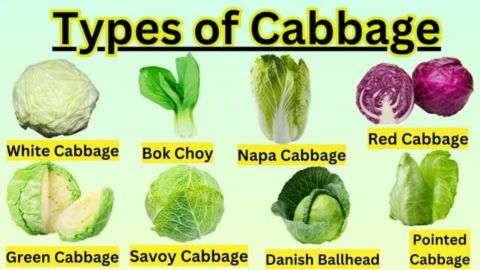
5. Cabbage has over 400 varieties.
From savoy and bok choy to napa and red cabbage, this vegetable family is as diverse as it is delicious.
6. It was once used as a hangover cure.
Ancient Romans believed eating cabbage before drinking alcohol prevented intoxication. Some people still swear by it!
7. Sauerkraut isn’t just tasty—it’s probiotic gold.
Fermented cabbage boosts gut health, aids digestion, and strengthens immunity thanks to beneficial bacteria.

8. Cabbage was a war hero.
During World War I, cabbage leaves were used to treat wounds and infections on the battlefield due to their antibacterial properties.
9. Cleopatra loved cabbage!
Legend has it, the Egyptian queen believed cabbage helped her maintain beauty and vitality.
Long before vitamin pills, fermented cabbage, or sauerkraut, was taken on long sea voyages, including by Captain Cook, as a crucial source of vitamin C to prevent the deadly disease scurvy.
10. It can glow under UV light.
Red cabbage contains pigments that fluoresce when exposed to ultraviolet light—a surprising scientific twist!

11. It’s a calorie bargain.
One cup of shredded cabbage contains only 22 calories, yet it’s packed with nutrients—a dieter’s dream.
12. Cabbage leaves can relieve pain.
Cold cabbage leaves have been used for centuries to soothe swelling, especially for nursing mothers.
13. It’s been to space!
Astronauts grew cabbage aboard the International Space Station as part of plant research experiments.
The legendary baseball player Babe Ruth reportedly used to wear a damp cabbage leaf under his baseball cap during games. The folk belief was that it helped keep his head cool and might even prevent baldness.
14. Cabbage plays a role in New Year’s traditions.
In the southern U.S., eating cabbage on New Year’s Day symbolizes wealth and prosperity.
15. The word “cabbage” comes from French.
It’s derived from “caboche,” meaning “head,” which perfectly describes its rounded form.
FAQs
1. What makes cabbage so healthy?
Cabbage is loaded with vitamins C and K, fiber, and antioxidants that boost immunity, improve digestion, and support heart health.
2. Can you eat cabbage raw?
Absolutely! Raw cabbage adds a crisp, slightly peppery flavor to salads and slaws while retaining more nutrients than cooked versions.
3. What’s the difference between green and red cabbage?
Red cabbage contains more antioxidants, especially anthocyanins, which give it its deep purple color. Both are equally nutritious.
4. How long does cabbage last?
When stored in a cool refrigerator, whole cabbage can stay fresh for up to 2 weeks—sometimes even longer if uncut.
5. Is cabbage good for weight loss?
Yes! Cabbage is low in calories but rich in fiber, which helps you feel full and satisfied while supporting healthy digestion.
6. What dishes can you make with cabbage?
Cabbage is versatile—it’s great in soups, stir-fries, salads, rolls, and even fermented foods like sauerkraut and kimchi.

Curious by nature, storyteller by choice. I run Interesting Facts to bring you mind-blowing stories, hidden truths, and fascinating insights from around the globe. If it makes you say “Wow, I never knew that!”—my job is done.
Laiba Hanif is a professional fact-finder and the writer behind “Interesting Facts.” Fueled by a degree in Anthropology and over five years of experience unearthing hidden truths, she specializes in digging up the most bizarre, fascinating, and mind-bending tidbits the world has to offer. She’s here to prove that reality is stranger—and more amazing—than fiction.