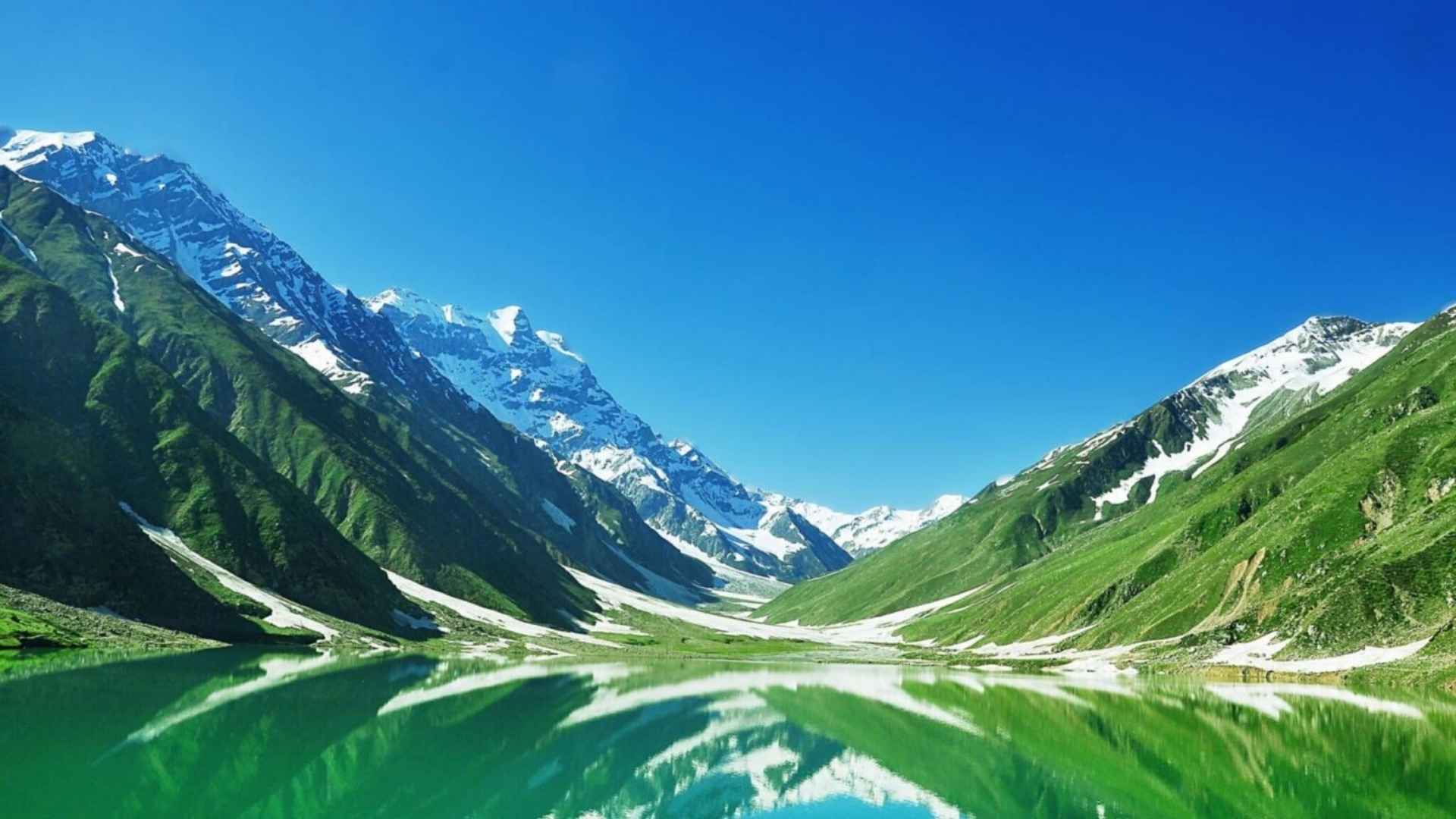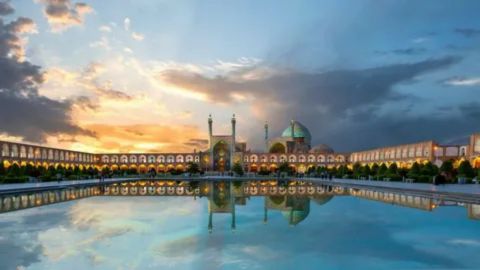
Iran—a land where ancient empires, poetic traditions, and stunning landscapes collide. From the golden sands of the Lut Desert to the turquoise domes of Isfahan, every corner of this country tells a story thousands of years old.
Mysterious yet mesmerizing, Iran remains one of the world’s most underrated and fascinating destinations, filled with secrets waiting to be discovered
Did You Know Iran??
Iran, a land of ancient civilizations and vibrant culture, holds a treasure trove of fascinating facts that often go unnoticed. From its pivotal role in the history of science and technology to its unique social customs and breathtaking landscapes, here are 15 interesting facts about this captivating country. Firstly, have a look at some quick facts about Iran.
| Category | Details |
|---|---|
| Country Name | Iran |
| Capital | Tehran |
| Population | ~89 million (2025 est.) |
| Currency | Iranian Rial (IRR) |
| Official Language | Persian (Farsi) |
| Major Religion | Islam (Shia Muslim) |
15 Interesting Facts About Iran
1. Iran Has Its Own Calendar—Older Than the Gregorian One
Iran uses the Solar Hijri calendar, which is based on the movement of the sun. It’s considered one of the most accurate calendars in the world, predating the Gregorian system by centuries. The Iranian New Year, Nowruz, begins on the spring equinox, symbolizing rebirth and renewal.
The new year, called Nowruz, is celebrated on the vernal equinox, which marks the first day of spring.
2. Persian Is Not Arabic—and It Has Its Own Beautiful Script
Many people confuse Persian (Farsi) with Arabic, but they are completely different languages. Persian belongs to the Indo-European family, meaning it’s closer to English than to Arabic. Its script, though similar in appearance, flows poetically with its own rhythm and elegance.
3. The Mysterious “Towers of Silence” of Yazd
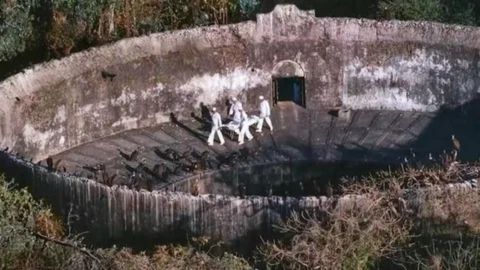
In ancient Iran, Zoroastrians practiced sky burials—placing their dead atop circular stone towers called Towers of Silence, where nature reclaimed the bodies. Though now banned, these haunting monuments still stand on the outskirts of Yazd, echoing Iran’s pre-Islamic spirituality.
4. Iran Has One of the World’s Hottest Places
The Lut Desert in southeastern Iran holds the record for one of the hottest places on Earth, where temperatures once soared above 159°F (70°C)—so hot that not even bacteria can survive in some areas.
5. Iran Invented the World’s First Postal System
Dating back to the Achaemenid Empire, Iran established the first organized postal service, known as the “Chapar Khaneh.” Mounted couriers would deliver messages across thousands of miles using a relay network, an idea later adopted by the Romans.
6. Ice Cream and Refrigeration Began in Ancient Persia
Centuries before modern refrigeration, Persians invented the Yakhchal, an ancient desert cooler that stored ice through the summer. They also created Faloodeh, one of the world’s oldest frozen desserts—made with rice noodles, rose water, and lime.
7. Iran Has a Ski Resort Higher Than Many in Europe
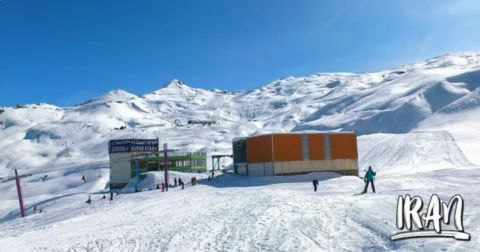
Most people picture deserts when they think of Iran, but the Alborz Mountains near Tehran offer world-class skiing at Dizin Resort, located over 8,000 feet above sea level. You can ski here in the morning and drive to the Caspian Sea by evening!
8. Iran Is Home to the World’s Largest Water Cave
The Ali Sadr Cave, located near Hamedan, is the world’s largest water cave. Visitors explore its glittering stalactites and stalagmites by boat—a surreal journey through nature’s underground masterpiece.
9. A Village with a Whistled Language
In the remote mountains of Mazandaran, villagers once communicated by whistling! This clever method allowed shepherds to send messages across valleys—proof of Iran’s incredible linguistic diversity and ingenuity.
10. The 1,700-Year-Old “Man of Salt”
Discovered in a Zanjan salt mine, Iran’s Salt Men are naturally mummified remains from over 1,700 years ago. Preserved with hair, beards, and clothes intact, they offer a rare window into ancient Persian life
11. The Birthplace of Algebra
The principles of algebra were developed by the Persian mathematician Muḥammad ibn Mūsā al-Khwārizmī in the 9th century. Through “The Compendious Book on Calculation by Completion and Balancing,” he pioneered systematic ways to solve linear and quadratic equations, paving the way for modern algebra.
The very word “algebra” is derived from “al-jabr,” one of the two operations he used to solve equations.
12. The Origin of the Word “Assassin”
The English word “assassin” is believed to have originated from the Nizari Ismailis, a mystical sect that was active in Iran and the Levant during the Middle Ages. Their followers were known for their strategic eliminations of political and religious opponents.
13. The National Drink is Tea, Not Coffee
While coffee is popular in many parts of the Middle East, in Iran, tea (chai) reigns supreme. It is an integral part of social life and is often served to guests as a gesture of hospitality.

14. Home to a “Rainbow Island”
Hormuz Island in the Persian Gulf is known for its stunningly colorful landscapes, earning it the nickname “Rainbow Island.” The island’s vibrant red, orange, and yellow soils are a result of the rich mineral content of the earth.
15. A Wealth of UNESCO World Heritage Sites
Iran is home to a remarkable number of UNESCO World Heritage Sites, a testament to its rich history and cultural significance. These sites include ancient ruins like Persepolis and Pasargadae, historic cities like Isfahan and Yazd, and natural wonders such as the Lut Desert.
FAQs
1. What is Iran most famous for?
Iran is best known for its ancient civilization, Persian carpets, poetry, architecture, and unique cuisine.
2. Is Iran safe for tourists?
Yes, Iran is generally safe for travelers. Visitors often praise the hospitality and kindness of the Iranian people.
3. What language do people speak in Iran?
The official language is Persian (Farsi), though many also speak regional languages like Kurdish, Azeri, and Baluchi.
4. What is Nowruz, and how is it celebrated?
Nowruz is the Persian New Year, marking the spring equinox. It’s celebrated with feasts, family gatherings, and ancient rituals.
5. Can tourists visit Iran easily?
Yes, visitors can travel across the country, though visa requirements vary depending on nationality.
6. What’s the best time to visit Iran?
Spring (March–May) and autumn (September–November) are ideal for exploring Iran’s cities and natural attractions.
Curious by nature, storyteller by choice. I run Interesting Facts to bring you mind-blowing stories, hidden truths, and fascinating insights from around the globe. If it makes you say “Wow, I never knew that!”—my job is done.
Laiba Hanif is a professional fact-finder and the writer behind “Interesting Facts.” Fueled by a degree in Anthropology and over five years of experience unearthing hidden truths, she specializes in digging up the most bizarre, fascinating, and mind-bending tidbits the world has to offer. She’s here to prove that reality is stranger—and more amazing—than fiction.