Mint isn’t just a fragrant herb you toss into your tea or use to freshen your breath. This humble green leaf has a fascinating history, powerful health properties, and countless uses that go beyond the kitchen. Here are 9 interesting facts about mint you probably didn’t know.
What Is Mint? Quick Facts About Mint
Mint is a fragrant, fast-growing herb belonging to the Lamiaceae (mint) family, which includes other aromatic plants like basil, rosemary, and sage. Known for its cooling flavor and refreshing aroma, mint is widely used in cooking, medicine, and cosmetics.
Whether used as a garnish, in herbal teas, or as an essential oil, mint remains one of the most versatile and beneficial herbs in the world.
Quick Facts About Mint
| Property | Details |
|---|---|
| Common Name | Mint |
| Scientific Name | Mentha spp. |
| Kingdom | Plantae |
| Class | Magnoliopsida (Dicotyledons) |
| Order | Lamiales |
| Family | Lamiaceae (Mint Family) |
| Genus | Mentha |
| Common Varieties | Peppermint (Mentha × piperita), Spearmint (Mentha spicata) |
| Origin | Europe, Asia, and North America |
| Type | Perennial Herb |
| Notable Uses | Culinary, Medicinal, Aromatic, Cosmetic |
9 Cool Facts About Mint
1. Mythological Origin
Its scientific name, Mentha, is derived from the Greek myth of the nymph Minthe, who was transformed into the fragrant plant by an angry goddess.
Mint spreads fast—it can overtake a garden if not contained, earning it the nickname “the friendly invader.”
2. Toxicity in a Relative
A type of mint called Pennyroyal (Mentha pulegium) is highly toxic, and its essential oil can cause severe liver and kidney damage, even death, if consumed.

3. Mint Is Packed With Nutrients
This small herb is rich in vitamins A and C, iron, and antioxidants, all of which help strengthen immunity and skin health.
4. Mint Enhances Brain Function
Studies show that the scent of mint can improve alertness, memory, and cognitive performance—perfect for study sessions!
5. A Bee Magnet, Not a Repellent
Contrary to some common advice, bees love mint plants when they flower. Commercial mint fields have been documented to produce a surplus of honey.
Mint cools naturally—menthol triggers cold-sensitive nerves, creating a refreshing cooling sensation without changing temperature.
6. A “Square” Plant
Mint belongs to the Lamiaceae family, and its members are characterized by having distinctive square stems. This unique physical trait is a quick way to identify a plant as part of the m
7. The Herb of Hospitality
In ancient Greece, mint was known as the herb of hospitality. It was a common practice to rub mint on dining tables to welcome guests, as it acted as a room deodorizer.
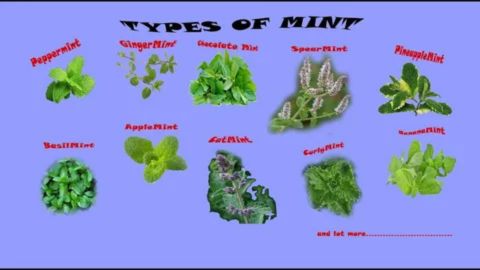
8. There Are Over 25 Varieties of Mint
From spearmint to peppermint, chocolate mint, and apple mint—the mint family offers dozens of unique flavors and scents.
9. A Natural Healer for Health, Freshness, and Beauty
Mint’s menthol acts as a natural decongestant, easing nasal congestion and allergies. It also freshens breath naturally by fighting bacteria and odor.
In skincare, mint’s cooling and antibacterial properties make it a popular ingredient in lotions and acne treatments, keeping skin clear and refreshed.
FAQs
1. Is mint good for digestion?
Absolutely. Mint helps relax the stomach muscles and improve digestion, reducing bloating and indigestion.
2. Does mint help with colds?
Yes. The menthol in peppermint acts as a natural decongestant and soothes sore throats.
3. Can mint improve skin health?
Yes, mint’s antibacterial and cooling properties help reduce acne and refresh the skin.
4. Is it safe to eat mint leaves daily?
In moderation, yes. Fresh mint is safe to eat and adds nutrients and antioxidants to your diet.
5. What’s the difference between peppermint and spearmint?
Peppermint has a stronger, spicier flavor due to higher menthol content, while spearmint is milder and sweeter.

Curious by nature, storyteller by choice. I run Interesting Facts to bring you mind-blowing stories, hidden truths, and fascinating insights from around the globe. If it makes you say “Wow, I never knew that!”—my job is done.
Laiba Hanif is a professional fact-finder and the writer behind “Interesting Facts.” Fueled by a degree in Anthropology and over five years of experience unearthing hidden truths, she specializes in digging up the most bizarre, fascinating, and mind-bending tidbits the world has to offer. She’s here to prove that reality is stranger—and more amazing—than fiction.