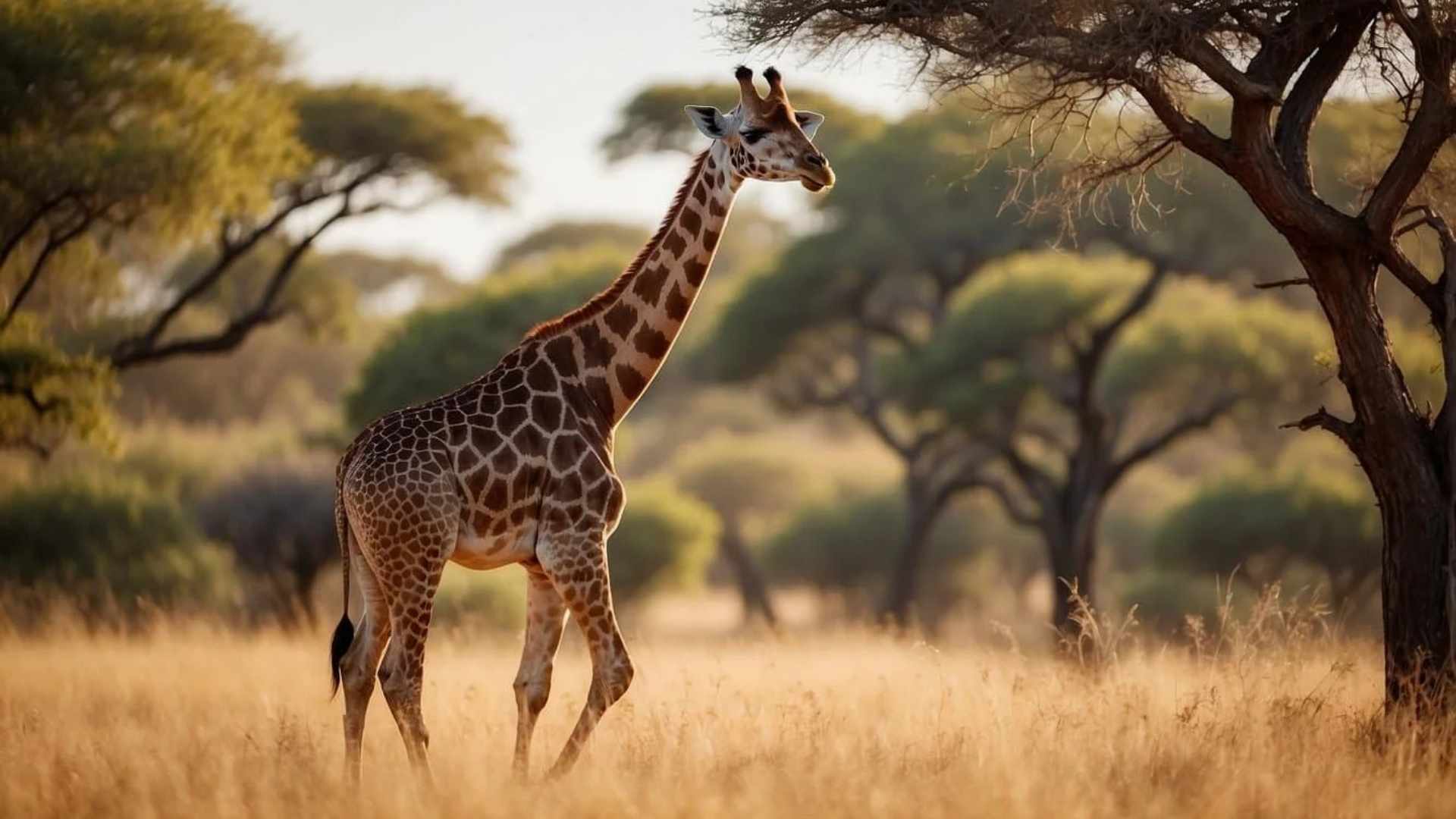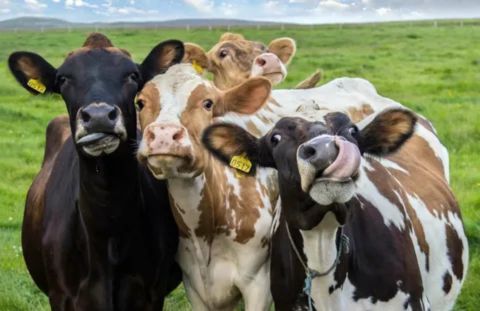
Cows are more than gentle grazers in green pastures—they’re intelligent, emotional beings with personalities as distinct as humans. From forming lifelong friendships to recognizing faces and enjoying music, cows are full of surprising depth and charm.
Whether you’re a farmer, an animal lover, or simply curious, these 19 unique facts about cows will completely change the way you see them.
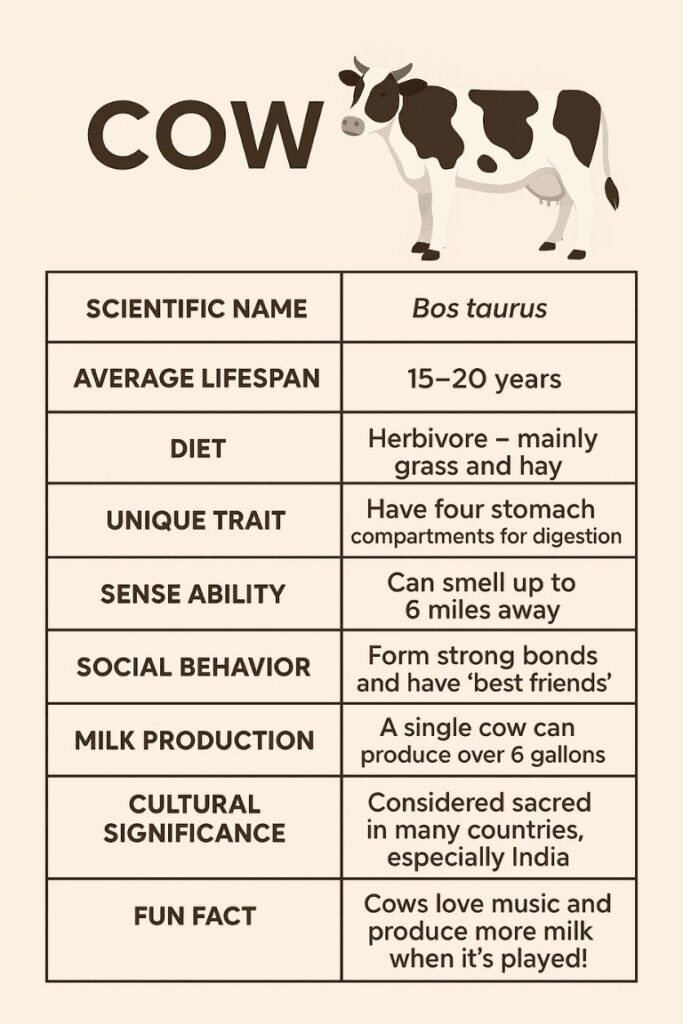
19 Interesting Facts About Cows
1. A Panoramic View
With eyes positioned on the sides of their heads, cows have nearly 360-degree vision, giving them an almost complete panoramic view of their surroundings without turning their heads. This wide field of view helps them spot predators quickly.
2. Cows Can Detect Earthquakes
Some studies suggest cows can sense changes in the Earth’s magnetic field, allowing them to detect natural disasters like earthquakes hours before they occur.
The first cow in America arrived in Jamestown in 1611.
3. The Color Red is a Myth
Contrary to popular belief, bulls do not charge the color red; they are actually red-green colorblind. It is the swift movement of the matador’s cape that triggers their reaction.
4. A Four-Part Digestive Factory
Cows are ruminants, possessing one stomach with four compartments: the rumen, reticulum, omasum, and abomasum, which allows them to break down tough cellulose from grass.
5. The Methane Problem
The digestive process in a cow’s stomach produces enormous amounts of methane—a potent greenhouse gas—with one cow emitting 250 to 500 liters per day.
6. No Upper Front Teeth
Cows lack upper front teeth (incisors); instead, they have a tough dental pad against which their bottom incisors press to shear grass.
A cow’s body temperature averages 102°F—slightly warmer than ours.
7. Cows Lie Down to Predict Rain
Farmers often say when cows lie down in a field, it’s a sign of coming rain—though it’s more about comfort than weather forecasting!
8. The Art of Taste
Cows have over 25,000 taste buds, allowing them to distinguish between salty, sweet, sour, and bitter flavors in the grass they graze.
9. Cows have a great memory and can hold grudges
Studies show they can remember people, places, and past incidents for a long time. If you treat a cow unkindly, it’s likely to remember and hold a grudge!
10. Cows are excellent swimmers
While you don’t typically see them swimming, cattle are capable of swimming and have been known to swim long distances to escape danger or reach new grazing areas.
Their jaws move an incredible 40,000 times a day during chewing.
11. Sense of smell is incredibly powerful
Cows can detect odors up to 6 miles (about 10 kilometers) away. This acute sense helps them find sources of food and water and even detect alarm chemicals (stress hormones) in the urine of other cows.
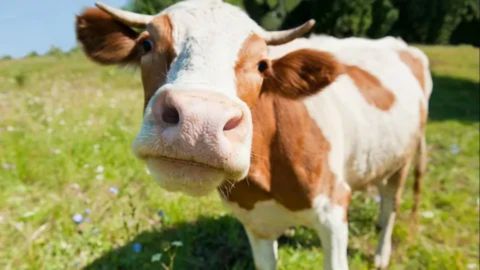
12. Unique “Nose Prints”
Just like human fingerprints, the pattern of ridges on a cow’s nose is completely unique, serving as a distinct form of identification.
13. A Liquid Diet Requirement
A high-producing dairy cow can drink an astounding 30 to 50 gallons (113-190 liters) of water per day, often equivalent to a full bathtub of water.
14. Cows Help Fight Climate Change
When managed through rotational grazing, cows can help regenerate soil and increase carbon capture, contributing to healthier ecosystems.
15. Sleep is Brief
Although they spend a lot of time (around 10-12 hours) lying down to rest and ruminate (chew their cud), they only get short periods of actual sleep, including deep REM sleep, which usually requires them to be lying down.
Believe it or not—cows can sleep standing up!
16. Cows Communicate Through Mooing
Each cow’s “moo” is unique and can express a wide range of emotions—from hunger and distress to excitement and comfort.
17. Music Can Affect Production
Studies have shown that playing calming, soothing music (like gentle classical pieces) can help relax cows, leading to higher milk output.
18. Wealth Indicators
Historically, the word “cattle” is derived from the Old French word chatel, meaning “chattel” or “property,” highlighting their role as a primary measure of economic wealth across many cultures.
19. Cows Have Best Friends
Research shows that cows form strong social bonds and even have best friends. When separated from their closest companions, they become stressed and anxious—just like humans.
Cows are strict vegetarians—they never eat meat.

Curious by nature, storyteller by choice. I run Interesting Facts to bring you mind-blowing stories, hidden truths, and fascinating insights from around the globe. If it makes you say “Wow, I never knew that!”—my job is done.
Laiba Hanif is a professional fact-finder and the writer behind “Interesting Facts.” Fueled by a degree in Anthropology and over five years of experience unearthing hidden truths, she specializes in digging up the most bizarre, fascinating, and mind-bending tidbits the world has to offer. She’s here to prove that reality is stranger—and more amazing—than fiction.