Butter—creamy, golden, and irresistibly smooth—has been a staple in kitchens for thousands of years. Whether it’s melting on hot toast or enriching a decadent sauce, butter is more than just a spread—it’s a story of culture, science, and indulgence.
15 Fascinating Facts About Butter
Here are 15 fascinating facts about butter that’ll make you appreciate this delicious dairy treasure even more.
1. Butter is Over 4,000 Years Old
Butter has been delighting taste buds for more than four millennia. Ancient Mesopotamians and Egyptians churned butter by shaking animal skins filled with milk. Talk about the original “shaker culture”!
Before the industrial era, some homes used dogs on treadmills to power butter churns—an unusual example of canine labor in history.
2. Butter Once Had a Bad Reputation—Now It’s Back
For decades, butter was vilified as unhealthy. But modern nutrition research has redeemed it, showing that in moderation, butter can be part of a balanced diet.
| Nutrient | Amount (per 1 tbsp) | % Daily Value* | Notes |
|---|---|---|---|
| Calories | 102 kcal | — | High energy source |
| Total Fat | 11.5 g | 15% | Mostly saturated fat |
| Saturated Fat | 7.2 g | 36% | Adds rich flavor and texture |
| Cholesterol | 31 mg | 10% | Naturally occurring in dairy |
| Sodium | 2 mg (unsalted) | <1% | Higher in salted butter |
| Carbohydrates | 0 g | 0% | Contains no sugar or fiber |
| Protein | 0.1 g | <1% | Trace amounts |
| Vitamin A | 355 IU | 7% | Supports eye and skin health |
| Vitamin D | 0.1 µg | <1% | Fat-soluble vitamin |
| Calcium | 3 mg | <1% | Minor amount |
3. Butter Was Once a Luxury Item
In medieval Europe, butter was a delicacy reserved for the rich and royal. Commoners often used lard or tallow, while the upper class spread butter on their bread like edible gold.
4. The First Butter Sculptures Were Religious Offerings
Before butter became an art medium at state fairs, Tibetans crafted intricate butter sculptures for Buddhist ceremonies. Some of these masterpieces could stand several feet tall!
5. Butter Can Last for Months Without Refrigeration
If stored properly in an airtight container or turned into ghee, butter can stay fresh for months without spoiling. Ancient travelers carried it as a long-lasting source of fat and energy.
6. Not All Butter Melts the Same Way
European-style butter, which contains less water and more fat, melts silkier and tastes richer. That’s why French pastries are so irresistibly flaky—the butter does the magic.
7. The World’s Largest Butter Sculpture Weighed Over 3,000 Pounds
At the Iowa State Fair, artists created a life-sized butter cow weighing more than 3,000 pounds! It’s a long-standing tradition that attracts thousands of visitors each year.

8. Butter Once Caused a Religious Controversy
In the Middle Ages, Catholics were banned from eating butter during Lent. Some regions even sold “butter permits” to allow people to keep using it—a surprisingly tasty tax system!
Bonus fact: The ancient Norse people (Vikings) revered butter so much that they occasionally placed lumps of butter in the graves of their deceased to ensure they had a valuable and nutritious supply of food and wealth to take with them into the afterlife.
9. Salted Butter Was the Original Preservative
Before refrigeration, adding salt to butter wasn’t for flavor—it was for survival. Salt helped preserve butter and made it easier to transport across long distances.
10. Butter is Technically an Emulsion
Butter isn’t just fat—it’s a delicate balance of water, milk solids, and fat molecules. This emulsion gives butter its smooth texture and luxurious mouthfeel.
11. There’s Such a Thing as “Butter Sommelier”
Yes, it’s real! Butter sommeliers can distinguish between flavors, textures, and aromas based on the cow’s diet, region, and production method—similar to wine tasting.
12. The Color of Butter Comes from Cows’ Diets
That golden hue isn’t just for looks—it comes from beta-carotene, the same pigment that gives carrots their color. Grass-fed cows produce yellower butter because they eat more beta-carotene-rich plants.
13. You Can Make Butter in Minutes
All it takes is heavy cream and vigorous shaking. Even a jar and some elbow grease will do! In fact, kids have been making “jar butter” as a school science project for years.
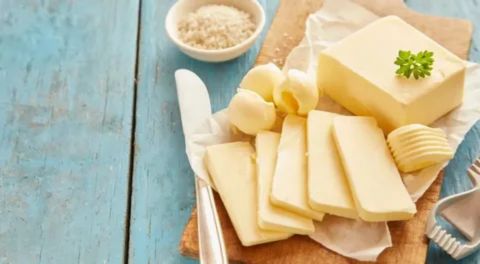
14. There’s Butter Made from More Than Just Cow’s Milk
Butter can be made from goat, sheep, yak, and even camel milk. Each type has a unique flavor—yak butter, for instance, has a nutty, rich taste cherished in Himalayan regions.
15. Butter is Literally Out of This World
Astronauts have taken butter (in dehydrated form) to space! NASA’s early space missions included butter powder as part of their menu—because even in zero gravity, flavor matters.
Beyond food and rituals, ancient Egyptians used a butter, dirt, and sawdust paste to plump mummies’ skin—an early form of cosmetic filler for the afterlife.

Curious by nature, storyteller by choice. I run Interesting Facts to bring you mind-blowing stories, hidden truths, and fascinating insights from around the globe. If it makes you say “Wow, I never knew that!”—my job is done.
Laiba Hanif is a professional fact-finder and the writer behind “Interesting Facts.” Fueled by a degree in Anthropology and over five years of experience unearthing hidden truths, she specializes in digging up the most bizarre, fascinating, and mind-bending tidbits the world has to offer. She’s here to prove that reality is stranger—and more amazing—than fiction.