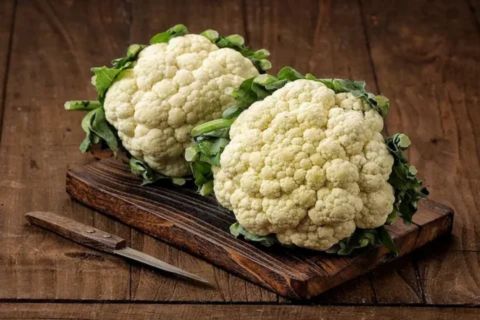
Cauliflower isn’t just a boring, white vegetable sitting on your dinner plate—it’s a nutritional powerhouse with a fascinating history, incredible versatility, and surprising secrets that most people don’t know. Let’s dive into unique and enticing facts about cauliflower that will change the way you see this cruciferous superstar!
Quick Facts About Cauliflower
| Category | Details |
|---|---|
| Common Name | Cauliflower |
| Scientific Name | Brassica oleracea var. botrytis |
| Plant Family | Brassicaceae (Mustard Family) |
| Plant Type | Flowering Vegetable (Biennial) |
| Edible Part | Immature Flower Head (Curd) |
| Origin | Mediterranean Region |
| Colors Available | White, Purple, Orange, Green |
| Calories (per 100g) | ~25 kcal |
| Major Nutrients | Vitamin C, Vitamin K, Folate, Fiber |
| Best Growing Season | Cool Weather (Spring & Fall) |
| pH Preference (Soil) | 6.0 – 7.0 |
| Average Maturity Time | 55–100 Days |
12 Interesting Facts About Cauliflower
1. Cauliflower Is a Flower, Not a Vegetable
That’s right—what you’re eating is actually the flower head of the plant. The compact white “curd” is made up of undeveloped flower buds. If left to grow naturally, those buds would bloom into beautiful yellow flowers.
2. It Comes in More Colors Than Just White
While white is the most common, cauliflower also grows in vibrant purple, orange, and green varieties. The purple hue comes from anthocyanins (powerful antioxidants), and orange cauliflower contains extra beta-carotene—the same pigment that gives carrots their color!

3. It’s Related to Kale, Broccoli, and Cabbage
Cauliflower belongs to the Brassica oleracea family—the same family as broccoli, kale, and cabbage. That’s why it shares similar textures and flavors. Think of it as broccoli’s pale but equally healthy cousin!
4. Cauliflower Was Once Considered a Luxury Food
In ancient Rome and during the Middle Ages, cauliflower was a delicacy served only to the wealthy. It required careful cultivation and specific climates, making it a prized and expensive dish among royals.
5. It Can Be Transformed Into Almost Anything
Cauliflower is the ultimate kitchen chameleon. You can turn it into rice, pizza crust, mashed “potatoes,” buffalo wings, and even steaks! Its neutral flavor makes it a perfect substitute for carbs and gluten-heavy ingredients.
6. One Cup Has More Vitamin C Than an Orange
Believe it or not, a single cup of raw cauliflower contains about 77% of your daily vitamin C requirement—even more than what you’d get from an orange. This makes it a powerful immunity booster and skin protector.
7. It Helps Fight Inflammation
Cauliflower is rich in antioxidants and compounds like indole-3-carbinol and sulforaphane, which are known for reducing inflammation and fighting oxidative stress in the body. It’s a true anti-inflammatory hero in disguise.
8. It’s a Natural Detoxifier
This vegetable activates detoxifying enzymes in your liver, helping your body flush out harmful toxins and chemicals. Regular consumption can help maintain a cleaner, more balanced system from the inside out.
9. The Entire Plant Is Edible
From the leaves to the stalk—every part of cauliflower can be eaten. The stems make great additions to soups and stir-fries, while the leaves can be roasted like kale chips or used in smoothies.
10. It’s Extremely Low in Calories
Cauliflower is a dream for anyone watching their weight. One cup has only 25 calories—and it’s packed with fiber, which helps you feel full longer without adding extra pounds.
11. It Can Help Regulate Hormones
The phytochemicals in cauliflower help balance estrogen levels in the body. This makes it especially beneficial for women’s health, reducing the risk of hormone-related issues like PMS and certain cancers.
12. The Romanesco is a Mathematical Marvel
Speaking of Romanesco, this striking green variety is a near-perfect example of a fractal in nature. Its spiral-like cones repeat themselves in an almost exact self-similar pattern, meaning each small floret is composed of smaller florets that mirror the shape of the whole head. It’s a geometry lesson on a plate!

FAQs
1. Is cauliflower good for weight loss?
Yes! Cauliflower is extremely low in calories and high in fiber, which helps you feel full longer. With only about 25 calories per 100 grams, it’s a perfect choice for healthy weight management.
2. Can cauliflower replace rice or potatoes in recipes?
Yes! Cauliflower rice and mashed cauliflower are popular low-carb substitutes for rice and potatoes. They’re great for keto, paleo, and gluten-free diets.
3. Why does cauliflower sometimes turn brown or yellow?
Discoloration often occurs due to exposure to sunlight or improper storage. Store cauliflower in a cool, dark place or the refrigerator to maintain its white, fresh appearance.
4. Can cauliflower cause gas or bloating?
For some people, yes. Cauliflower contains complex carbohydrates that can produce gas when digested. Cooking it thoroughly and eating smaller portions can help minimize this effect.

Curious by nature, storyteller by choice. I run Interesting Facts to bring you mind-blowing stories, hidden truths, and fascinating insights from around the globe. If it makes you say “Wow, I never knew that!”—my job is done.
Laiba Hanif is a professional fact-finder and the writer behind “Interesting Facts.” Fueled by a degree in Anthropology and over five years of experience unearthing hidden truths, she specializes in digging up the most bizarre, fascinating, and mind-bending tidbits the world has to offer. She’s here to prove that reality is stranger—and more amazing—than fiction.