Our skin—it’s the silent storyteller of who we are. It blushes when we’re shy, scars when we’re brave, and glows when we’re happy. But beneath that surface sheen lies a world far more complex and awe-inspiring than most realize. Ready to peel back the layers?
Quick Skin Facts!! Let’s peel off
| Category | Data / Fact | Details / Explanation |
|---|---|---|
| Total Surface Area | ~1.5–2.0 square meters | Varies by body size; about 22 square feet on average. |
| Average Weight | ~3.5–4.5 kilograms (≈16% of body weight) | Skin is the body’s largest organ by weight. |
| Thickness | 0.5 mm – 4 mm | Thinnest on eyelids; thickest on soles of feet. |
| pH Level | 4.5 – 5.5 | Slightly acidic to prevent bacterial growth. |
| Water Content | 64% | Skin cells contain and regulate body hydration. |
| Temperature Regulation | 36.5°C (average body temp) | Sweat glands and blood vessels help maintain it. |
| Sweat Glands | 2–4 million | Eccrine and apocrine glands control cooling and scent. |
| Sebaceous Glands | ~900 per cm² on the face | Produce sebum to keep skin soft and waterproof. |
| Cell Renewal Cycle | Every 27–30 days | Old skin cells shed, and new ones replace them. |
| Hair Follicles | ~5 million total | 100,000–150,000 on the scalp alone. |
| Blood Supply | ~11 miles of blood vessels | Keeps skin nourished and responsive to temperature. |
| Microbiome | ~1 trillion microorganisms | Bacteria, fungi, and viruses coexist to protect skin. |
| Melanin Function | UV protection | Absorbs harmful rays and gives skin its color. |
| Elasticity Factor | Controlled by collagen & elastin | Determines firmness, texture, and youthfulness. |
| Healing Time (Minor Cuts) | 24–48 hours | Skin begins repairing itself almost immediately. |
10 Fascinating Skin Facts That’ll Blow Your Mind
Let’s dive into 10 interesting skin facts that’ll change the way you see yourself—literally!
1. Your Skin Is Your Body’s Largest Organ
Surprise! That soft, flexible layer covering you isn’t just a pretty wrapping—it’s an organ. In fact, skin makes up about 16% of your body weight and covers roughly 22 square feet on an average adult. It’s your personal superhero cape, protecting you from bacteria, UV rays, and dehydration.
2. The Dust You See Is You
Gross or cool? You decide. The average person loses 30,000 to 40,000 skin cells every minute—that’s nearly 9 pounds of skin a year! Don’t worry though, your body is constantly regenerating new ones to replace them. You’re literally a new version of yourself every month.
Did you know that about 50% of the dust in your home is actually dead skin cells?
3. You Sweat Up a Bathtub’s Worth of Fluid
On an average day, your skin, through its approximately two to five million sweat glands, releases about one liter of sweat. During intense exercise or a heatwave, you can easily sweat several liters. This isn’t just water loss—it’s your skin’s elegant thermoregulation system in action, a biological air conditioner that prevents your internal engine from overheating.
4. Your Skin Reveals Your Emotions Instantly
Ever wonder why you blush when embarrassed or go pale when scared? That’s your skin reacting to adrenaline and blood flow changes. Your skin is basically your emotional billboard—it wears your heart on its sleeve!
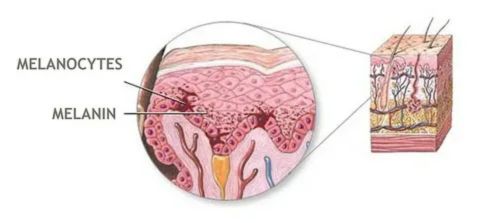
5. Melanin Determines Your Natural Protection
Melanin, the pigment that gives your skin its color, also acts as a built-in sunscreen. The more melanin you have, the better your natural defense against the sun’s harmful rays. But don’t skip SPF—even the most melanin-rich skin needs protection.
In fact, a one-inch-square patch of skin has over 650 sweat glands, 20 blood vessels, 1,000 nerve endings, and can withstand the pressure of approximately 19 pounds before tearing.
6. A Hidden Ecosystem: Your Microbial Zoo
Your skin is home to billions of microorganisms—from bacteria to fungi—known as the skin microbiome. Far from being gross, these tiny allies keep your skin healthy, balance pH levels, and ward off harmful invaders. You’re never truly alone!
7. Goosebumps Are a Primal Reflex
Those tiny bumps you get when you’re cold or scared? They’re called piloerection, and they’re a leftover survival mechanism from our furry ancestors. Back then, raising body hair helped trap heat or make them look larger to predators.
8. Your Skin Can “Taste” and “Smell”
Sounds strange, right? But scientists have discovered olfactory and taste receptors in your skin cells! These receptors can detect certain chemicals and respond to them—meaning your skin literally “senses” its environment.
The skin on your eyelids is the thinnest on your entire body, measuring less than 0.5 millimeters in thickness—about the thickness of a sheet of paper.
9. Your Fingerprints Are Completely Unique
No two humans share the same fingerprint pattern—not even identical twins. Those swirls and loops on your fingertips form in the womb and stay with you for life, making your skin the ultimate ID card.

10. Skin Regenerates Faster Than You Think
Cut yourself today, and within seconds your skin leaps into repair mode. Minor wounds can begin healing within 24 to 48 hours—an incredible feat of biology. It’s like having a self-repairing suit that never gives up on you.
The skin on the palms of your hands and the soles of your feet is the thickest, measuring up to 4 millimeters or more, designed to withstand constant friction and pressure.

Curious by nature, storyteller by choice. I run Interesting Facts to bring you mind-blowing stories, hidden truths, and fascinating insights from around the globe. If it makes you say “Wow, I never knew that!”—my job is done.
Laiba Hanif is a professional fact-finder and the writer behind “Interesting Facts.” Fueled by a degree in Anthropology and over five years of experience unearthing hidden truths, she specializes in digging up the most bizarre, fascinating, and mind-bending tidbits the world has to offer. She’s here to prove that reality is stranger—and more amazing—than fiction.