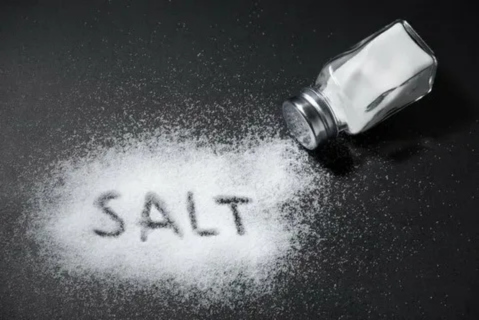
Salt is more than just a flavor enhancer; it’s a geological marvel, a chemical necessity, and a cultural touchstone. We’ve mined the depths of history and science to bring you 14 truly fascinating facts about salt that reveal why a simple sprinkle of sodium chloride is tied to the rise and fall of empires, the function of your heart, and even your paycheck.
Salt and Civilization: Common Facts About Salt
Let’s have a glance at 14 enticing facts about salt
Fact 1: The Origin of the Word “Salary”
The connection between salt and money is direct. Roman soldiers were partially paid in salt, which was known as salarium argentum (meaning “salt money”). This practice is the literal etymological origin of the English word “salary.”
Fact 2: A Major Currency and Trade Item
Before refrigeration, salt was critical for curing meat and fish, making long-distance travel and trade possible. Its scarcity in ancient inland regions made it an incredibly valuable commodity, often traded ounce-for-ounce for gold.
Fact 3: The Catalyst for Revolution and Taxes
Salt has been a political instrument used to control populations. The French “gabelle” (salt tax) was one of the most hated levies leading up to the French Revolution. Centuries later, Mahatma Gandhi’s Salt March challenged British rule in India by illegally making salt, turning a simple mineral into a symbol of independence.
Fact 4: Essential for Roman Road Construction
The famous Roman roads were not just built for armies and chariots; they were initially built to transport salt from coastal sources inland. The Via Salaria (Salt Road) was one of the most critical ancient trade routes, demonstrating its military and economic importance.
The Science of Survival and Taste
Chemically simple, salt is biologically complex, governing everything from nerve function to the unique way we perceive flavor.
Fact 5: The Only Rock Humans Eat
Salt is a mineral, an inorganic solid substance found in nature. Specifically, it is the rock Halite, or sodium chloride (NaCl). This makes it the only rock that is a required component of the human diet.
Fact 6: The Nerve Impulse Engine
Salt (sodium and chloride ions) is absolutely essential for life. Sodium ions are critical for the transmission of nerve impulses and muscle function, including the beating of the heart. Without salt, our cells couldn’t communicate.
Fact 7: A Key Component of Tears and Sweat
The salty taste of human tears and sweat is due to the body using sodium to regulate its fluid balance and temperature. Sweating is how the body releases excess heat and salt through the skin.
Fact 8: The Taste Booster
Salt does not merely add flavor; it suppresses bitterness while boosting sweet, sour, and umami notes. This unique chemical property makes food taste more balanced and enhances our overall flavor perception.
Myths, Marvels, and Massive Deposits
Salt is found across the globe in quantities so vast they shape landscapes and cultural folklore.
Fact 9: The World’s Largest Salt Mines
The Himalayan salt deposits, responsible for Himalayan pink salt, are estimated to be 500 to 800 million years old, representing remnants of ancient oceans locked deep beneath the earth. Similarly, the Karakalpakstan salt mine in Uzbekistan is large enough to sustain the entire world’s current salt consumption for nearly 100 years.
Fact 10: Enough to Bury Continents
The world’s oceans contain an estimated 48 million cubic kilometers of salt. If this salt were extracted and spread evenly across the Earth’s continents, it would reportedly form a layer over 500 feet (150 meters) deep.
Fact 11: The Origin of “Bad Luck”
Rooted in antiquity, the superstition of casting salt over the shoulder has been practiced for millennia. It was believed that spilled salt (a very expensive commodity) was an invitation for the devil or bad luck. Throwing a pinch over the left shoulder supposedly blinded the devil standing behind you.
Fact 12: Salt Has Over 14,000 Uses
Beyond culinary applications, salt is a massive industrial product. It is used in manufacturing chlorine, vinyl, detergent, and plastics and is essential for water softening, leather tanning, and de-icing roads in winter.
Fact 13: Floating in the Dead Sea
The extremely high salt concentration of the Dead Sea (nearly 10 times saltier than the ocean) creates an extraordinary buoyant force, allowing people to float effortlessly on the surface.
Fact 14: The Distinction Between Salt Types
While table salt is pure sodium chloride with anti-caking agents, sea salt contains trace minerals like magnesium, potassium, and calcium due to the evaporation process, which subtly alters its taste and texture.

Curious by nature, storyteller by choice. I run Interesting Facts to bring you mind-blowing stories, hidden truths, and fascinating insights from around the globe. If it makes you say “Wow, I never knew that!”—my job is done.
Laiba Hanif is a professional fact-finder and the writer behind “Interesting Facts.” Fueled by a degree in Anthropology and over five years of experience unearthing hidden truths, she specializes in digging up the most bizarre, fascinating, and mind-bending tidbits the world has to offer. She’s here to prove that reality is stranger—and more amazing—than fiction.