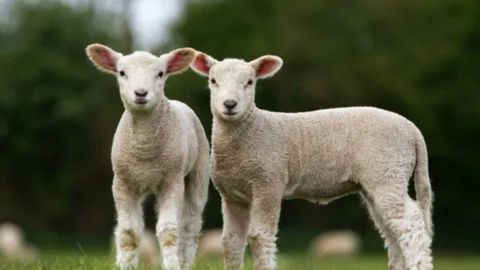
Lambs are often seen as soft, calm, and harmless, but there is much more to them than people realize. From their sharp intelligence to their surprising athletic ability, lambs have a long list of traits worth knowing. Whether you work with livestock, love farm life, or simply enjoy learning new animal facts, this guide gives you a full look at the most interesting facts about lambs.
Top 5 Quick Facts About Lambs
Here are five must-know facts that highlight the remarkable nature of lambs:
- Up and Running: Lambs are precocial; they can stand up and run within minutes of birth, a crucial adaptation for escaping predators in the wild.
- Voice Recognition: A newborn lamb recognizes its mother’s unique voice (bleat) within just a few hours.
- No Top Front Teeth: Like adult sheep, lambs lack incisors on their upper jaw, relying instead on a hard dental pad.
- Excellent Memory: Research shows sheep (and lambs) possess strong long-term memory, capable of recognizing up to 50 individual faces.
- Wool Color Changes: Many lambs are born with dark or black wool that actually lightens over their first year.
Interesting Facts About Lambs That Will Make You Love Lamb
Let’s dive into the fascinating truths about these diminutive yet durable members of the Ovis aries species.
1. Lambs Are Baby Sheep, But Only for a Short Time
A lamb is simply a young sheep under one year old. After that, it is called a hogget or yearling. By the time they reach twelve months, most lambs have already grown strong and independent.
2. Lambs Can Stand and Walk Within Minutes of Birth
One of the most impressive interesting facts about lambs is how quickly they gain strength. Most lambs stand within ten minutes of being born and walk soon after. This fast start helps them escape predators in the wild.
Male sheep are called rams.
3. Ewes Usually Give Birth to Twins
While single births are common, many sheep give birth to twins. Some breeds, like Finnsheep and Romanov sheep, often have triplets or even quadruplets.
4. Lambs Recognize Their Mothers by Sound and Smell
A lamb forms a bond with its mother within hours. It learns her voice, her scent, and even her footsteps. This bond is so strong that lambs can find their mothers in large flocks.

5. Lambs Communicate With Soft Bleats
Lambs use gentle bleats to call their mothers, express hunger, or show comfort. Each lamb has a slightly different tone, and ewes can identify their own lambs just by the sound.
Female sheep are called ewes.
6. Lambs Are Naturally Curious
Even though they seem shy, lambs are curious animals that like exploring new areas, smells, and textures. Curiosity helps them learn how to find food, avoid danger, and understand their flock.
7. Lambs Have Horizontal Pupils
Just like goats, lambs have rectangular pupils. This gives them a wide field of vision so they can watch for predators while grazing. It lets them see almost all around their body without turning their head.

8. Lambs Are Surprisingly Fast Runners
Lambs may look gentle, but they can run fast. Young lambs often run, jump, and race other lambs. Their quick movements help them stay safe and build strength.
Castrated male sheep are called wethers.
9. Lambs Learn From Copying Their Mothers
Lambs watch their mothers closely. They learn what to eat, how to graze, and where to find shelter. This copying behavior is key to their survival.
10. Lambs Have a Strong Sense of Hearing
Their large ears help them catch distant sounds. Lambs can hear predators long before they get close, and they can also recognize familiar humans, dogs, or flock members by sound alone.
11. Lambs Prefer Flocks for Safety
Lambs rarely wander far from their flock. Staying in a group makes them feel safe and reduces stress. This instinct has helped sheep survive for thousands of years.
A group of sheep is called a flock.
12. Lambs Can Drink Milk Up to Eight Times a Day
Newborn lambs drink milk often because it is their only source of nutrition. As they grow, they slowly start eating grass and hay, but milk stays important for several weeks.
13. Lambs Play to Build Strength
One of the sweetest interesting facts about lambs is their love for play. Lambs jump, kick, and chase each other. Play helps them grow stronger and improves their coordination.
14. Lambs Have Wool That Grows Quickly
Even young lambs grow thick wool coats fast. Their wool protects them from cold weather and harsh winds. Some breeds, like Merinos, produce especially soft and dense wool.
15. Lambs Can Remember People and Places
Lambs have better memory skills than most people expect. They remember their shepherd’s voice, familiar faces, and important feeding areas. Their memory helps them stay calm around trusted humans.
Lambs can sense changes in weather and often huddle together before a storm hits.
16. Lambs Are Social Animals With Strong Friendships
Within a flock, lambs create friendships. They often stay close to the same flock members, graze together, and rest together. Social bonding reduces stress and keeps them relaxed.
17. Lambs Bite Grass Without Upper Teeth in the Front
Lambs do not have top front teeth. Instead, they use a hard gum pad to pinch grass. They have a full set of teeth on the bottom front row, which helps them cut and chew food.

18. Lambs Thrive in Many Climates
Sheep and lambs live on farms in hot, cold, dry, and windy regions. Their wool helps them handle cold climates, while certain breeds handle heat well. This adaptability explains why sheep appear in so many countries.
19. Lambs Help Maintain Healthy Pastures
By grazing on grass and weeds, lambs help keep fields trimmed. Their droppings also enrich the soil. This natural cycle keeps farmland healthy and productive.
20. Lambs Have Been Part of Human History for Thousands of Years
Sheep were among the first animals ever domesticated. People have raised lambs for food, wool, and companionship for more than 10,000 years. They remain one of the most important farm animals worldwide.

Curious by nature, storyteller by choice. I run Interesting Facts to bring you mind-blowing stories, hidden truths, and fascinating insights from around the globe. If it makes you say “Wow, I never knew that!”—my job is done.
Laiba Hanif is a professional fact-finder and the writer behind “Interesting Facts.” Fueled by a degree in Anthropology and over five years of experience unearthing hidden truths, she specializes in digging up the most bizarre, fascinating, and mind-bending tidbits the world has to offer. She’s here to prove that reality is stranger—and more amazing—than fiction.