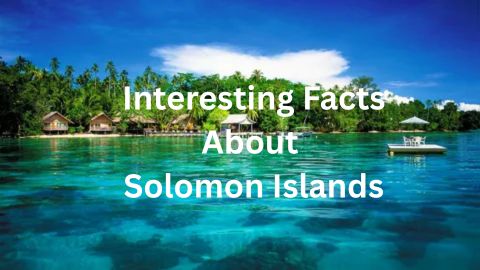
The Solomon Islands are a stunning South Pacific nation made up of over 900 islands, known for their rich cultural diversity, untouched rainforests, and some of the world’s healthiest coral reefs. With 70+ languages, deep-rooted traditions like shell money, and significant World War II history beneath their waters, the islands offer a rare blend of nature, culture, and history.
Largely free from mass tourism, the Solomon Islands remain an authentic and fascinating destination for travelers and researchers alike. If you’re searching for interesting facts about Solomon Islands, you’re about to uncover a destination that feels untouched, mysterious, and deeply fascinating.
Quick Facts About Solomon Islands: Facts at a Glance
| Category | Details |
|---|---|
| Official Name | Solomon Islands |
| Region | South Pacific Ocean |
| Capital City | Honiara |
| Total Islands | Over 900 islands |
| Population | Approx. 740,000 |
| Official Language | English |
| Local Languages | 70+ indigenous languages |
| Currency | Solomon Islands Dollar (SBD) |
| Time Zone | Solomon Islands Time (UTC +11) |
| Main Religion | Christianity |
| Climate | Tropical (hot and humid year-round) |
| Famous For | WWII wreck diving, coral reefs, rainforests |
| UNESCO Site | East Rennell |
The Secret Archipelago: 10 Amazing Facts About Solomon Islands
1. The Solomon Islands Are Home to Over 900 Islands
Yes, you read that right. The Solomon Islands archipelago consists of more than 900 islands, though only about one-third are inhabited. Each island has its own identity, dialects, and traditions. This incredible diversity makes traveling within the country feel like visiting several nations in one journey.
2. One of the Most Culturally Diverse Nations on Earth
When people talk about diversity, the Solomon Islands deserve a front-row seat. There are over 70 living languages spoken across the islands. This linguistic richness reflects centuries of independent tribal development.
3. World War II History Lies Beneath the Sea
Among the most surprising and interesting facts about Solomon Islands is their role in World War II. The islands were a major battleground, especially Guadalcanal, which witnessed fierce fighting between Allied and Japanese forces.
Today, this history rests beneath the waves. Sunken warships, aircraft, and submarines make the Solomon Islands one of the world’s top destinations for wreck diving. These underwater relics are now coral-covered ecosystems, blending history with marine life in a hauntingly beautiful way.
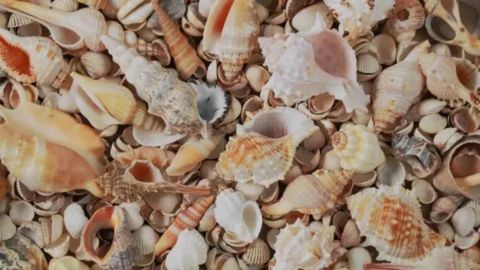
4. Traditional Shell Money Is Still Used
While modern currency exists, traditional shell money is still used in ceremonial and cultural exchanges. Crafted from tiny shells strung together, this form of currency symbolizes wealth, respect, and social status.
Shell money is often exchanged during weddings, land agreements, and peace settlements, making it far more meaningful than everyday cash. It’s a powerful reminder that value isn’t always measured in numbers—it’s measured in tradition.
5. The Capital City Is Built Around the Sea
Honiara, the capital of the Solomon Islands, stretches along the coastline rather than rising upward. Life here revolves around the ocean. Fishing boats line the shores, open-air markets buzz with fresh seafood, and sunsets paint the sky in dramatic colors.
Unlike crowded capitals elsewhere, Honiara has a relaxed rhythm that reflects the island lifestyle—unhurried, friendly, and deeply connected to nature.
Quick Fact:
Many children in the Solomon Islands naturally have blond hair despite having dark skin—a rare trait caused by a unique Melanesian gene mutation, not European ancestry.
6. Home to the World’s Largest Raised Coral Atoll
Rennell Island, a UNESCO World Heritage Site, is the largest raised coral atoll in the world. At its heart lies Lake Tegano, the largest freshwater lake in the Pacific Islands region.
This island is not just geologically rare; it’s culturally significant too. The local Polynesian community has preserved its traditions and environment with remarkable care, making Rennell Island a symbol of harmony between people and nature.
7. Giant Clams and Coconut Crabs Roam Freely
The Solomon Islands are home to giant clams, some weighing over 200 kilograms, and the legendary coconut crab, the largest land-living arthropod on Earth.
Coconut crabs can climb trees and crack open coconuts with their powerful claws. Seeing one in the wild is both thrilling and slightly intimidating—proof that nature here still reigns supreme.
8. Sundays Are Sacred
Christianity plays a major role in daily life, and Sunday is strictly observed as a day of rest. Businesses close, villages grow quiet, and families gather for church and communal meals.
This weekly pause from routine reflects the islands’ slower pace of life and strong spiritual foundations.
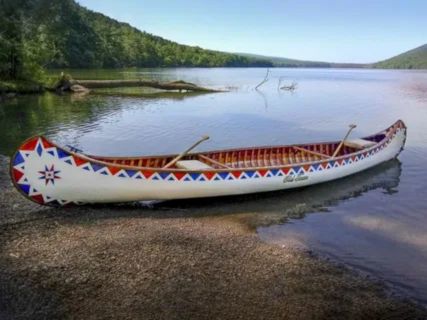
9. Canoes Are a Way of Life
In many coastal and island communities, hand-carved wooden canoes remain a primary mode of transport. These canoes are often decorated with intricate designs that tell stories of ancestry and clan identity.
Traveling by canoe is more than transportation—it’s a cultural experience passed down through generations, reflecting a deep respect for craftsmanship and the sea.
10. A Paradise Still Off the Tourist Radar
Perhaps one of the most appealing interesting facts about Solomon Islands is that they remain largely undiscovered by mass tourism. There are no sprawling resorts or crowded beaches here—just authentic experiences, pristine landscapes, and genuine connections.
For travelers seeking something real, raw, and unforgettable, the Solomon Islands offer a rare gift.
Quick Fact:
Kavachi, the Solomon Islands’ active submarine “Shark Volcano,” erupts frequently—yet sharks, including hammerheads, live inside its crater, thriving in hot, acidic waters and showcasing extraordinary biological resilience.
FAQs
1. What are the Solomon Islands famous for?
The Solomon Islands are famous for over 900 islands, rich cultural diversity, untouched rainforests, healthy coral reefs, and significant World War II shipwrecks that attract divers from around the world.
2. How many islands are in the Solomon Islands?
The Solomon Islands consist of more than 900 islands, though only about one-third are inhabited. Many islands remain pristine and largely unexplored.
3. Where are the Solomon Islands located?
The Solomon Islands are located in the South Pacific Ocean, east of Papua New Guinea and northeast of Australia, within the Melanesian region of Oceania.
4. What languages are spoken in the Solomon Islands?
English is the official language, but the country is home to 70+ indigenous languages. Solomon Islands Pijin is widely spoken for everyday communication.
5. Is the Solomon Islands good for tourism?
Yes, the Solomon Islands are ideal for travelers seeking authentic, off-the-beaten-path experiences, offering natural beauty, cultural richness, and minimal mass tourism.
6. What is the best time to visit the Solomon Islands?
The best time to visit is during the dry season from May to October, when the weather is cooler and ideal for outdoor activities and marine exploration.
Curious by nature, storyteller by choice. I run Interesting Facts to bring you mind-blowing stories, hidden truths, and fascinating insights from around the globe. If it makes you say “Wow, I never knew that!”—my job is done.
Laiba Hanif is a professional fact-finder and the writer behind “Interesting Facts.” Fueled by a degree in Anthropology and over five years of experience unearthing hidden truths, she specializes in digging up the most bizarre, fascinating, and mind-bending tidbits the world has to offer. She’s here to prove that reality is stranger—and more amazing—than fiction.